

Casarca australiana vs Paradise Shelduck
Tadorna tadornoides contro Tadorna variegata
Fai un quiz con Casarca australiana e Paradise Shelduck
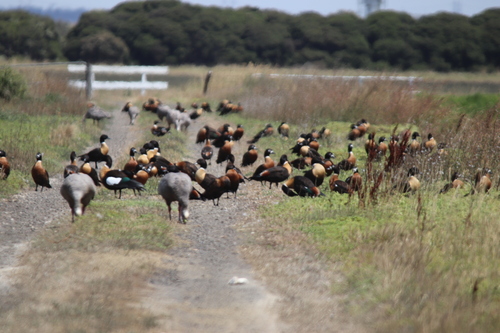 Casarca australiana
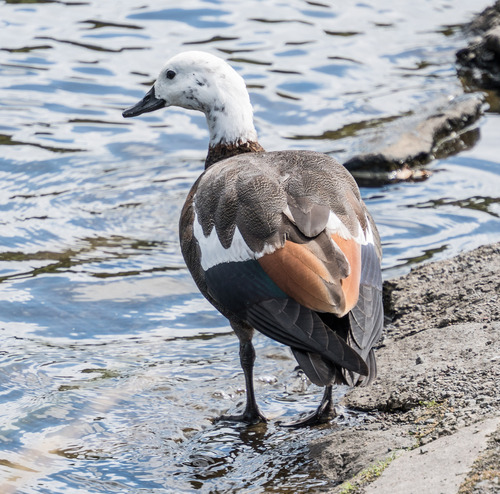 Paradise Shelduck
In breve
Il segno distintivo più affidabile tra Casarca australiana e Paradise Shelduck è il motivo della testa e del petto degli adulti: i maschi di Casarca australiana hanno una testa verde scuro con un collare bianco e un petto castano ricco, mentre i maschi di Paradise Shelduck hanno una testa blu-nera senza collare e un corpo barrato, per lo più scuro. Le femmine adulte di Paradise Shelduck sono inconfondibili con la loro testa completamente bianca e il corpo castano, una combinazione mai mostrata dalla Casarca australiana. In volo, entrambe le specie mostrano bianco nelle ali e uno speculum verde, ma l'estensione e la posizione del bianco differiscono. I giovani di entrambe le specie sono simili quando sono piumati, ma man mano che maturano, le femmine di Paradise Shelduck sviluppano rapidamente una testa bianca, mentre i giovani di Casarca australiana rimangono più opachi e mancano dei motivi netti degli adulti. Le dimensioni sono generalmente simili, ma Paradise Shelduck è mediamente leggermente più pesante.
Consigli di identificazione
- La femmina adulta di Paradise Shelduck è unica: Cerca una testa e un collo completamente bianchi con un corpo castano—questo non è mai mostrato dalla Casarca australiana di alcuna età o sesso.
- Testa e collare del maschio adulto: I maschi di Casarca australiana hanno una testa verde scuro con un collare bianco netto e un petto castano. I maschi di Paradise Shelduck hanno una testa blu-nera senza collare e un corpo barrato, per lo più scuro.
- Bianco attorno all'occhio: Le femmine di Casarca australiana hanno bianco attorno agli occhi ma non una testa completamente bianca. Le femmine di Paradise Shelduck hanno una testa e un collo completamente bianchi.
- Colore del petto: I maschi di Casarca australiana hanno una banda di petto castano ricco, mentre i maschi di Paradise Shelduck hanno un petto grigio scuro macchiato di giallo pallido, privo di una banda castana solida.
- Separazione dei giovani: I giovani piumati di entrambe le specie sono simili, ma man mano che le femmine di Paradise Shelduck maturano, sviluppano rapidamente una testa bianca. I giovani maschi di Casarca australiana sono più opachi degli adulti e mancano del collare bianco; le femmine giovani hanno più bianco sulla testa ma mai una testa completamente bianca.
- Motivo delle copritrici superiori in volo: Entrambe mostrano bianco nelle ali e uno speculum verde, ma Paradise Shelduck ha copritrici superiori bianche più estese, mentre il bianco della Casarca australiana è più ristretto. Questo è sottile e meglio utilizzato con altri segni.
- Colore del becco e delle gambe: Entrambi hanno becchi e gambe scuri; non è un separatore utile.
- Dimensioni e struttura del corpo: Entrambi sono grandi anatre robuste con una struttura simile. Paradise Shelduck è mediamente leggermente più pesante, ma questo non è affidabile senza un confronto diretto.
- Vocalizzazioni: I maschi di Casarca australiana starnazzano profondamente; le femmine emettono un 'zeek' alto. Le femmine di Paradise Shelduck hanno anche richiami acuti, ma le differenze non sono sempre chiare sul campo.
- Habitat e distribuzione: La Casarca australiana è nativa dell'Australia, Paradise Shelduck della Nuova Zelanda. Se viste al di fuori di queste aree, considera la vagabondaggio ma dai priorità ai segni del piumaggio.
- Comportamento di creche: Grandi gruppi di giovani piumati sono più tipici della Casarca australiana, ma non diagnostici.
- Mostre di minaccia e distrazione: Paradise Shelduck è più propensa a mostrare elaborate minacce o mostre di ala rotta se disturbata vicino ai giovani.
- Dimorfismo sessuale: Paradise Shelduck mostra un dimorfismo sessuale più forte (femmina con testa bianca vs. maschio con testa scura), mentre i sessi di Casarca australiana sono più simili, con le femmine che mostrano solo bianco attorno all'occhio.
- Effetti della muta e dell'età: L'ombra del corpo castano della femmina di Paradise Shelduck varia con l'età e la muta, ma la testa bianca è costante dopo la prima muta.
- Trappole: Le femmine immature di entrambe le specie possono essere confuse; concentrati sull'estensione del bianco sulla testa e sulla presenza/assenza di un collare per i migliori risultati.
Taglia
Entrambe le specie sono grandi anatre simili a oche, ma Paradise Shelduck è mediamente più pesante (media maschile 1.549,5 g contro 1.425 g per Casarca australiana) ed è descritta come la più grande Tadorna. La lunghezza si sovrappone (Casarca australiana: 56–72 cm; Paradise Shelduck: 63–71 cm), quindi la dimensione da sola non è affidabile sul campo. Entrambi hanno ali larghe e una struttura robusta. Le femmine di entrambe le specie sono più piccole dei maschi, ma questo è sottile senza un confronto diretto.
Piumaggio
-
Giovani e giovani piumati: I giovani piumati di entrambe le specie sono bianchi con una corona marrone e strisce marroni dalla corona alla coda, rendendoli difficili da separare in questa fase. Man mano che i giovani maturano, i maschi di Casarca australiana sono più opachi degli adulti e mancano del collare bianco, mentre le femmine giovani hanno più bianco, specialmente attorno alla testa, ma non una testa completamente bianca. I maschi giovani di Paradise Shelduck assomigliano ai maschi adulti, ma le femmine giovani mostrano una macchia bianca alla base del becco e sviluppano rapidamente una testa bianca dopo il volo.
-
Maschi adulti: I maschi di Casarca australiana hanno una testa verde scuro, un collare bianco netto e un petto castano ricco, con corpo nero e ali castano/neri che mostrano uno speculum verde e un po' di bianco in volo. I maschi di Paradise Shelduck hanno una testa e un collo blu-neri, senza collare, un corpo nero barrato e un petto grigio scuro macchiato di giallo pallido. Le loro ali hanno copritrici superiori bianche contrastanti e remiganti nere, con uno speculum verde e terziali arrugginiti.
-
Femmine adulte: Le femmine di Casarca australiana sono simili ai maschi ma più piccole, con bianco attorno agli occhi (non una testa completamente bianca). Le femmine di Paradise Shelduck sono distintive con una testa e un collo completamente bianchi, corpo castano scuro o chiaro (a seconda dell'età/muta), e un dorso grigio scuro macchiato di giallo pallido. Questa testa bianca è unica tra queste due specie.
-
Volo: Entrambe le specie mostrano bianco nelle ali e uno speculum verde, ma il bianco di Paradise Shelduck è più esteso sulle copritrici superiori, mentre la Casarca australiana mostra macchie bianche ma non così tante sulle copritrici. In entrambe, il motivo delle ali castane e nere è visibile, ma il motivo della testa e del collo rimane il miglior separatore.
Comportamento
Entrambe le specie sono per lo più terrestri e spesso pascolano, ma Paradise Shelduck è nota per forti legami di coppia e difesa territoriale, con elaborate mostre di minaccia e distrazione (ad es., mostra di ala rotta). La Casarca australiana forma anche grandi creche di giovani, a volte fino a 100 uccelli. Entrambi sono forti volatori e nuotano bene, ma i comportamenti di minaccia e distrazione di Paradise Shelduck sono descritti più frequentemente.
Habitat
La Casarca australiana è nativa dell'Australia e preferisce zone umide aperte, laghi e talvolta aree costiere. Paradise Shelduck è endemica della Nuova Zelanda e utilizza una vasta gamma di habitat aperti, tra cui terreni agricoli, laghi e fiumi. La sovrapposizione è rara tranne che come vagabondi, quindi la posizione è un forte indizio tranne in casi eccezionali.
Voce
I maschi di Casarca australiana emettono un forte starnazzare simile a quello delle oche, mentre le femmine hanno un 'zeek, zeek' acuto e penetrante. Le femmine di Paradise Shelduck emettono anche richiami acuti, specialmente quando allarmate, mentre i maschi chiamano rapidamente in mostre di minaccia. Entrambi i sessi di Paradise Shelduck sono vocali, specialmente durante interazioni territoriali o di minaccia. Le differenze sono sottili e non sempre diagnostiche sul campo.
Casarca australiana · Paradise Shelduck · I miei uccelli difficili