

Tarro Australiano vs Tarro Maorí
Tadorna tadornoides frente a Tadorna variegata
Juega un quiz con Tarro Australiano y Tarro Maorí
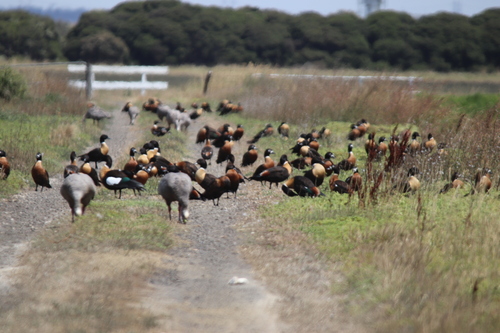 Tarro Australiano
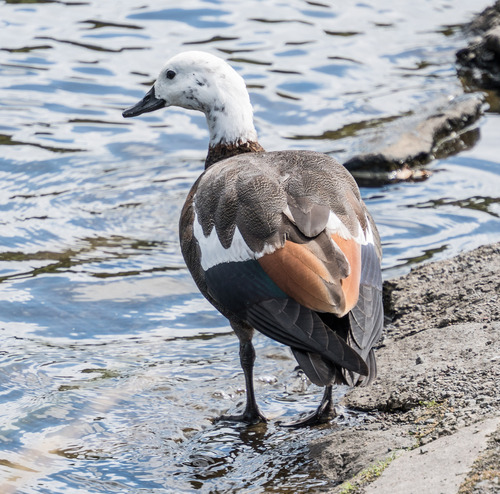 Tarro Maorí
En breve
La marca de campo más confiable entre el Tarro Australiano y el Tarro Maorí es el patrón de la cabeza y el pecho de los adultos: los machos de Tarro Australiano tienen una cabeza verde oscura con un collar blanco en el cuello y un pecho castaño rico, mientras que los machos de Tarro Maorí tienen una cabeza azul-negra sin collar y un cuerpo mayormente oscuro con barras. Las hembras adultas de Tarro Maorí son inconfundibles con su cabeza completamente blanca y cuerpo castaño, una combinación que nunca se muestra en el Tarro Australiano. En vuelo, ambas especies muestran blanco en las alas y un especulum verde, pero la extensión y colocación del blanco difieren. Los juveniles de ambas especies son similares cuando son plumones, pero a medida que maduran, las hembras de Tarro Maorí desarrollan rápidamente una cabeza blanca, mientras que los juveniles de Tarro Australiano permanecen más apagados y carecen de los patrones nítidos de los adultos. El tamaño es ampliamente similar, pero el Tarro Maorí promedia ligeramente más pesado.
Consejos de identificación
- La hembra adulta de Tarro Maorí es única: Busca una cabeza y cuello completamente blancos con un cuerpo castaño; esto nunca se muestra en el Tarro Australiano de ninguna edad o sexo.
- Cabeza y collar del macho adulto: Los machos de Tarro Australiano tienen una cabeza verde oscura con un collar blanco nítido y un pecho castaño. Los machos de Tarro Maorí tienen una cabeza azul-negra sin collar y un cuerpo mayormente oscuro con barras.
- Blanco alrededor del ojo: Las hembras de Tarro Australiano tienen blanco alrededor de los ojos pero no una cabeza completamente blanca. Las hembras de Tarro Maorí tienen una cabeza y cuello completamente blancos.
- Color del pecho: Los machos de Tarro Australiano tienen una banda de pecho castaño rico, mientras que los machos de Tarro Maorí tienen un pecho gris oscuro salpicado de amarillo pálido, careciendo de una banda castaña sólida.
- Separación de juveniles: Los jóvenes plumones de ambas especies son similares, pero a medida que las hembras de Tarro Maorí maduran, rápidamente desarrollan una cabeza blanca. Los machos juveniles de Tarro Australiano son más apagados que los adultos y carecen del collar blanco; las hembras juveniles tienen más blanco en la cabeza pero nunca una cabeza completamente blanca.
- Patrón de las alas en vuelo: Ambas muestran blanco en las alas y un especulum verde, pero el Tarro Maorí tiene cobertoras de alas superiores blancas más extensas, mientras que el blanco del Tarro Australiano es más restringido. Esto es sutil y se debe usar mejor con otras marcas.
- Color del pico y las patas: Ambos tienen picos y patas oscuros; no es un separador útil.
- Tamaño y estructura del cuerpo: Ambos son patos grandes y robustos con una estructura similar. El Tarro Maorí promedia ligeramente más pesado, pero esto no es confiable sin una comparación directa.
- Vocalizaciones: Los machos de Tarro Australiano graznan profundamente; las hembras emiten un 'zeek' agudo. Las hembras de Tarro Maorí también tienen llamados agudos, pero las diferencias no siempre son claras en el campo.
- Hábitat y rango: El Tarro Australiano es nativo de Australia, el Tarro Maorí de Nueva Zelanda. Si se ve fuera de estos rangos, considera la vagancia pero prioriza las marcas de plumaje.
- Comportamiento de crèche: Grupos grandes de jóvenes plumones son más típicos del Tarro Australiano, pero no son diagnósticos.
- Amenazas y exhibiciones de distracción: El Tarro Maorí es más propenso a mostrar exhibiciones de amenaza o alas rotas elaboradas si se le molesta cerca de los jóvenes.
- Dimorfismo sexual: El Tarro Maorí muestra un dimorfismo sexual más fuerte (hembra de cabeza blanca vs. macho de cabeza oscura), mientras que los sexos del Tarro Australiano son más similares, con las hembras mostrando solo blanco alrededor del ojo.
- Efectos de la muda y la edad: La sombra del cuerpo castaño de la hembra de Tarro Maorí varía con la edad y la muda, pero la cabeza blanca es consistente después de la primera muda.
- Trampas: Las hembras inmaduras de ambas especies pueden ser confusas; enfócate en la extensión del blanco en la cabeza y la presencia/ausencia de un collar en el cuello para obtener los mejores resultados.
Tamaño
Ambas especies son patos grandes, similares a gansos, pero el Tarro Maorí es en promedio más pesado (peso medio de machos 1,549.5 g frente a 1,425 g para el Tarro Australiano) y se describe como el más grande de Tadorna. La longitud se superpone (Tarro Australiano: 56–72 cm; Tarro Maorí: 63–71 cm), por lo que el tamaño solo no es confiable en el campo. Ambos tienen alas amplias y una construcción robusta. Las hembras de ambas especies son más pequeñas que los machos, pero esto es sutil sin una comparación directa.
Plumaje
-
Juveniles y Jóvenes Plumones: Los jóvenes plumones de ambas especies son blancos con una corona marrón y rayas marrones desde la corona hasta la cola, lo que dificulta su separación en esta etapa. A medida que los juveniles maduran, los machos de Tarro Australiano son más apagados que los adultos y carecen del collar blanco, mientras que las hembras juveniles tienen más blanco, especialmente alrededor de la cabeza, pero no una cabeza completamente blanca. Los machos juveniles de Tarro Maorí se asemejan a los machos adultos, pero las hembras juveniles muestran una mancha blanca en la base del pico y desarrollan rápidamente una cabeza blanca después de volar.
-
Machos Adultos: Los machos de Tarro Australiano tienen una cabeza verde oscura, un collar blanco nítido en el cuello y un pecho castaño rico, con un cuerpo negro y alas castañas/negras que muestran un especulum verde y algo de blanco en vuelo. Los machos de Tarro Maorí tienen una cabeza y cuello azul-negro, sin collar, un cuerpo negro con barras y un pecho gris oscuro salpicado de amarillo pálido. Sus alas tienen cobertoras superiores blancas contrastantes y remiges negros, con un especulum verde y terciarios oxidados.
-
Hembras Adultas: Las hembras de Tarro Australiano son similares a los machos pero más pequeñas, con blanco alrededor de los ojos (no una cabeza completamente blanca). Las hembras de Tarro Maorí son distintivas con una cabeza y cuello completamente blancos, un cuerpo castaño oscuro o claro (dependiendo de la edad/muda), y una espalda gris oscura salpicada de amarillo pálido. Esta cabeza blanca es única entre estas dos especies.
-
Vuelo: Ambas especies muestran blanco en las alas y un especulum verde, pero el blanco del Tarro Maorí es más extenso en las cobertoras de las alas superiores, mientras que el Tarro Australiano muestra parches blancos pero no tanto en las cobertoras. En ambas, el patrón de alas castañas y negras es visible, pero el patrón de la cabeza y el cuello sigue siendo el mejor separador.
Comportamiento
Ambas especies son en gran medida terrestres y a menudo pastan, pero el Tarro Maorí es conocido por sus fuertes lazos de pareja y defensa territorial, con exhibiciones de amenaza y distracción elaboradas (por ejemplo, exhibición de ala rota). El Tarro Australiano también forma grandes crèches de jóvenes, a veces hasta 100 aves. Ambos son fuertes voladores y nadan bien, pero los comportamientos de amenaza y distracción del Tarro Maorí se describen con más frecuencia.
Hábitat
El Tarro Australiano es nativo de Australia y prefiere humedales abiertos, lagos y a veces áreas costeras. El Tarro Maorí es endémico de Nueva Zelanda y utiliza una amplia gama de hábitats abiertos, incluidos campos, lagos y ríos. La superposición es rara excepto como vagantes, por lo que la ubicación es una pista fuerte excepto en casos excepcionales.
Voz
Los machos de Tarro Australiano emiten un graznido profundo, similar al de un ganso, mientras que las hembras tienen un 'zeek, zeek' agudo y penetrante. Las hembras de Tarro Maorí también emiten llamados agudos, especialmente cuando están alarmadas, mientras que los machos llaman rápidamente en exhibiciones de amenaza. Ambos sexos de Tarro Maorí son vocales, especialmente durante interacciones territoriales o de amenaza. Las diferencias son sutiles y no siempre son diagnósticas en el campo.