

Rondone maggiore vs Sordone
Tachymarptis melba contro Prunella collaris
Fai un quiz con Rondone maggiore e Sordone
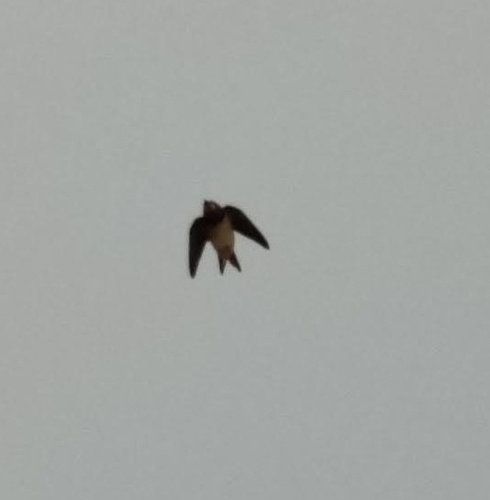 Rondone maggiore
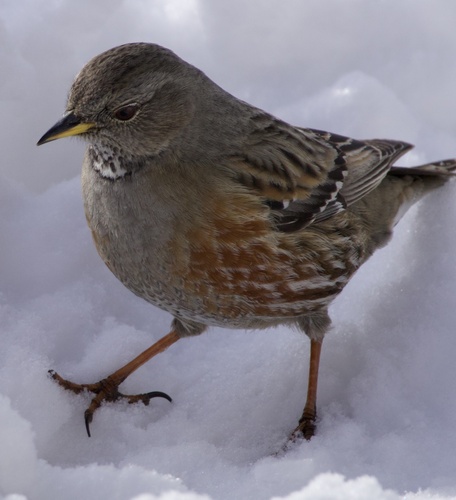 Sordone
In breve
Il modo più affidabile per separare il Rondone maggiore dal Sordone è attraverso la struttura generale e lo stile di volo: il Rondone maggiore è un enorme specialista aereo con ali lunghe, un ventre e una gola bianchi, mentre il Sordone è un uccello canoro di dimensioni simili a un pettirosso, orientato al suolo, con un dorso marrone striato e parti inferiori macchiate di rosso-bruno. In volo, le lunghe ali a forma di mezzaluna del Rondone maggiore e la macchia bianca sul ventre si distinguono anche a distanza, mentre il Sordone mostra un'ala corta e arrotondata e non mostra mai bianco sotto. I giovani Rondoni maggiori possono avere piume con bordi chiari, ma mostrano comunque le stesse parti inferiori bianche audaci. Se visto posato, la testa grigia del Sordone e il suo becco fine sono diagnostici. È possibile una sovrapposizione degli habitat nelle aree alpine, ma il loro comportamento e la loro struttura sono indiscutibilmente diversi.
Consigli di identificazione
- Overall structure: Il Rondone maggiore è un enorme uccello aereo con ali lunghe e a forma di mezzaluna in volo; il Sordone è compatto, con ali corte e arrotondate e una silhouette tipica di un uccello canoro.
- Flight style: Il Rondone maggiore è quasi sempre in aria, volando potentemente con battiti d'ali profondi e lenti; il Sordone è quasi sempre a terra o posato in basso, mai visto in volo continuo.
- White underparts: Il Rondone maggiore di tutte le età mostra una grande macchia bianca ovale sul ventre e una gola bianca, separata da una banda scura sul petto. Il Sordone non mostra mai bianco sul ventre o sulla gola.
- Head pattern: Gli adulti del Sordone hanno una testa completamente grigia, in contrasto con il dorso marrone striato; il Rondone maggiore ha una testa e un collo marrone scuro con una gola bianca, separata da una banda scura.
- Back and upperparts: Il Rondone maggiore è uniformemente marrone scuro sopra; il Sordone ha un dorso marrone striato, più simile a un passero.
- Bill shape: Il Rondone maggiore ha un becco largo e corto adatto per catturare insetti in volo; il Sordone ha un becco fine e appuntito per raccogliere insetti e semi dal suolo.
- Tail shape: Il Rondone maggiore ha una coda corta e poco biforcuta; la coda del Sordone è dritta e incisa ma mai biforcuta come quella di un rondone.
- Juvenile confusion: I giovani Rondoni maggiori hanno piume con bordi chiari ma mantengono il ventre e la gola bianchi; i giovani Sordoni sono più marroni ma non mostrano mai parti inferiori bianche o una struttura simile a quella di un rondone.
- Wing shape: Le ali del Rondone maggiore sono lunghe, strette e ripiegate all'indietro, somigliando a un boomerang; le ali del Sordone sono corte e arrotondate.
- Perched view: Il Rondone maggiore raramente si posa, tranne che su superfici verticali; il Sordone è spesso visto posato su rocce o arbusti bassi.
- Vocalization: Il cinguettio aereo e prolungato è del Rondone maggiore; il Sordone è generalmente più silenzioso e canta da un posatoio.
- Habitat context: Entrambi possono essere trovati in montagna, ma il Rondone maggiore è in aria o nidifica su scogliere/edifici; il Sordone è a terra o in vegetazione bassa.
- Relative size: Se visti insieme, il Rondone maggiore sovrasta il Sordone, essendo quasi il doppio della lunghezza e molte volte più pesante.
- Feeding behavior: Il Rondone maggiore cattura insetti in volo; il Sordone cerca cibo a terra.
- Seasonal confusion: Entrambe le specie possono essere presenti nella stessa regione in estate, ma il loro comportamento, struttura e piumaggio rimangono diagnostici in tutte le stagioni.
Taglia
Il Rondone maggiore è molto più grande e pesante (massa corporea ~96g, lunghezza 20–23 cm, apertura alare 54–60 cm) rispetto al Sordone (lunghezza 15–17.5 cm, di dimensioni simili a un pettirosso). Il Rondone maggiore è quasi il doppio della lunghezza e molte volte più pesante, con un'apertura alare più di tre volte quella del Sordone. Anche a distanza, la dimensione e le lunghe ali del rondone sono evidenti. Il Sordone è solo leggermente più grande di una Passera scopaiola e molto più piccolo di qualsiasi rondone.
Piumaggio
- Juvenile/immature Rondone maggiore: Simile agli adulti ma con piume dai bordi chiari; mostra comunque il ventre e la gola bianchi audaci, separati da una banda scura sul petto. Nessuna età del Sordone mostra mai parti inferiori bianche o una banda scura sul petto.
- Adult Rondone maggiore: Marrone scuro sopra, gola bianca e grande macchia bianca ovale sul ventre, separata da una banda scura sul collo e fianchi/parte inferiore marroni. Le ali sono lunghe, appuntite e nere alle punte. La coda è corta e poco biforcuta.
- Adult Sordone: Dorso marrone striato, testa completamente grigia, macchie rosso-brune sulle parti inferiori, becco fine e appuntito. Le parti inferiori non mostrano mai ventre o gola bianchi; invece, cerca macchie e striature rosso-brune. I giovani uccelli sono complessivamente più marroni, specialmente sulla testa e sulle parti inferiori, ma non si avvicinano mai al modello del rondone.
- In flight: La macchia bianca sul ventre del Rondone maggiore è visibile da sotto a tutte le età; il Sordone non mostra bianco, solo parti inferiori striate e macchiate.
Comportamento
Il Rondone maggiore è quasi sempre visto in volo rapido e potente, spesso in alto sopra il suolo, raramente posato tranne che su scogliere o edifici. Il suo volo è profondo, lento e forte rispetto ai rondoni più piccoli. Il Sordone è un uccello canoro che cerca cibo a terra, spesso visto saltellare tra rocce o vegetazione bassa, a volte posato su rocce o arbusti. Non mostra mai il comportamento aereo continuo di un rondone. Il Rondone maggiore beve e si nutre in volo; il Sordone si nutre di insetti e semi a terra.
Habitat
Entrambe le specie si trovano in regioni alpine e montuose del sud Europa e dell'Asia, ma il Rondone maggiore è tipicamente visto in spazi aerei aperti sopra scogliere, montagne o città, spesso nidificando in crepe o edifici. Il Sordone preferisce pendii montuosi nudi con un po' di vegetazione bassa, cercando cibo a terra o tra le rocce. È possibile una sovrapposizione in aree ad alta quota, ma i loro microhabitat e comportamenti differiscono nettamente: rondone in aria, sordo a terra o su posatoi bassi.
Voce
Il Rondone maggiore emette un richiamo prolungato e cinguettante, solitamente udito in volo e simile ad altri rondoni ma più lungo e potente. Il canto del Sordone non è descritto nelle note, ma come passeriforme, canterebbe da un posatoio, non in volo. Se senti un richiamo cinguettante aereo, è il Rondone maggiore; il Sordone è generalmente più silenzioso e canta da terra o da un posatoio basso.