

Barbudito Frentirrojo Norteño vs Anteojitos del Zambeze
Pogoniulus uropygialis frente a Zosterops anderssoni
Juega un quiz con Barbudito Frentirrojo Norteño y Anteojitos del Zambeze
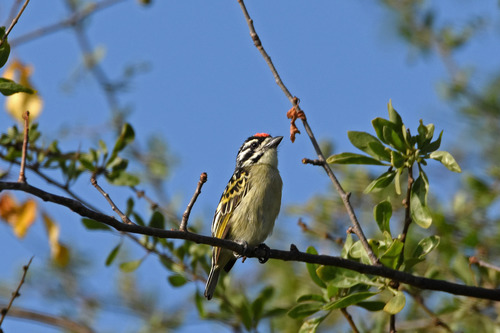 Barbudito Frentirrojo Norteño
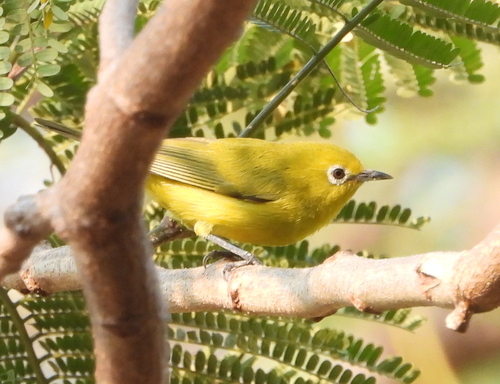 Anteojitos del Zambeze
En breve
La marca de campo más confiable que separa a estos dos es el parche frontal rojo sobre el pico en el macho adulto de Barbudito Frentirrojo Norteño, que nunca está presente en el Anteojitos del Zambeze. Los barbuditos inmaduros pueden ser complicados, pero son ligeramente más pequeños y tienen un dorso más oscuro que el Barbudito Frentigualdo (no comparado directamente aquí), mientras que los anteojitos carecen de cualquier rojo en la cara y en su lugar muestran un prominente anillo ocular blanco. Estructuralmente, los barbuditos son pequeños, con picos gruesos, mientras que los anteojitos son más delgados, con picos más finos y un comportamiento más activo y ágil. Las vocalizaciones también son distintas: los barbuditos emiten un llamado repetitivo 'took', mientras que los anteojitos tienen llamados diferentes, menos monótonos. El hábitat y el rango no se superponen mucho, con barbuditos en África Oriental y anteojitos en el sur de África.
Consejos de identificación
- Parche frontal rojo: Solo el macho adulto de Barbudito Frentirrojo Norteño muestra un brillante parche rojo sobre el pico. Si ves esto, es diagnóstico.
- Anillo ocular blanco: El Anteojitos del Zambeze siempre tiene un audaz anillo ocular blanco, que nunca está presente en barbuditos de cualquier edad o sexo.
- Forma del pico: El barbudito tiene un pico robusto, pesado, parecido al de un barbudo; el anteojitos tiene un pico fino y puntiagudo. Esto es visible incluso a distancia con binoculares.
- Proporciones de cabeza y cuerpo: El barbudito parece tener una cabeza grande y compacta; el anteojitos es delgado y con cabeza pequeña.
- Color del plumaje: El barbudito tiene un patrón más marcado, con una cara contrastante (especialmente en machos), mientras que el anteojitos es mayormente amarillo-verde sin patrón facial excepto el anillo ocular.
- Confusión juvenil: Los barbuditos inmaduros carecen del parche rojo y pueden parecer más simples, pero aún tienen un dorso más oscuro y una estructura más parecida a un barbudo que cualquier anteojitos.
- Estilo de vuelo: El barbudito vuela en ráfagas cortas y directas y se posa erguido; el anteojitos está constantemente revoloteando, rara vez quieto, y a menudo en grupos.
- Vocalizaciones: Si escuchas un llamado repetitivo 'took', es un barbudito. Los anteojitos nunca emiten este sonido.
- Hábitat y rango: Si estás en África Oriental, es posible que veas un barbudito; en el sur de África, es más probable que veas un anteojitos. No se superponen.
- Comportamiento en grupo: Los anteojitos suelen estar en pequeños grupos ruidosos; los barbuditos suelen ser solitarios o en parejas.
- Postura posada: El barbudito se posa erguido y quieto; el anteojitos es más horizontal e inquieto.
- Patrón facial: Solo el anteojitos muestra una cara limpia y sin marcas con un anillo blanco; la cara del barbudito es más marcada, especialmente en machos.
- Color del dorso en inmaduros: Los barbuditos inmaduros tienen un dorso más oscuro en comparación con barbuditos similares, pero siempre carecen del dorso verde uniforme y limpio del anteojitos.
- Diferencias sexuales: Solo los machos barbuditos muestran el parche frontal rojo; las hembras y los inmaduros no, así que usa la estructura y el comportamiento en esos casos.
- Contexto: Si ves un pájaro en un grupo mixto con colibríes y otros insectívoros pequeños, es probable que sea un anteojitos; los barbuditos son menos sociales.
Tamaño
El Barbudito Frentirrojo Norteño es un pequeño barbudo, pero aún es notablemente más robusto y corpulento que el Anteojitos del Zambeze, que es un pájaro diminuto, delgado y más delicado. Aunque no se proporcionan medidas exactas, el pico del barbudito es más robusto y la cabeza proporcionalmente más grande, dándole un aspecto más compacto y de cabeza grande en comparación con el anteojitos, que es más delicado y con pico más fino.
Plumaje
- Adultos: El macho de Barbudito Frentirrojo Norteño muestra un brillante parche rojo sobre el pico, que está ausente en todos los anteojitos. Ambos sexos del Anteojitos del Zambeze tienen un plumaje amarillo-verde con un conspicuo anillo ocular blanco y sin rojo en ninguna parte de la cara.
- Inmaduros/Juveniles: Los barbuditos inmaduros pueden confundirse con otros barbuditos, pero no con anteojitos; carecen del parche frontal rojo, son ligeramente más pequeños y tienen un dorso más oscuro que el Barbudito Frentigualdo. Los inmaduros de anteojitos se parecen a los adultos, con el mismo anillo ocular blanco y tonos amarillentos, y nunca muestran rojo ni patrón facial parecido al de un barbudo.
- En vuelo: No se describe un patrón distintivo en el ala superior para ninguna de las especies en las fuentes, por lo que la separación en vuelo se basa en la estructura y el comportamiento más que en el plumaje.
Comportamiento
El Barbudito Frentirrojo Norteño tiende a posarse más erguido y quieto, a menudo permaneciendo inmóvil mientras llama desde un posadero prominente. El Anteojitos del Zambeze es mucho más activo, revoloteando constantemente a través del follaje, a menudo en pequeños grupos, y rara vez se queda quieto por mucho tiempo. El comportamiento del barbudito es más parecido al de un barbudo, mientras que el anteojitos recuerda a un warbler hiperactivo.
Hábitat
El Barbudito Frentirrojo Norteño se encuentra en África Oriental, mientras que el Anteojitos del Zambeze se encuentra en el sur de África, por lo que sus rangos no se superponen. En sus respectivas regiones, los barbuditos son más probables en bosques o bordes de bosque, mientras que los anteojitos frecuentan jardines, bosques y arbustos, a menudo en bandadas de especies mixtas.
Voz
El Barbudito Frentirrojo Norteño emite un llamado monótono y repetitivo 'took', a menudo en largas series, y también produce llamados de tono más alto, de dos o tres partes y un trino rápido. El Anteojitos del Zambeze no emite un llamado repetitivo y parecido al de un barbudo; sus vocalizaciones son más variadas y menos mecánicas, típicamente de tono alto y trinos, pero no se describen en detalle aquí.
Barbudito Frentirrojo Norteño · Anteojitos del Zambeze · Mis aves difíciles