

Busardo Urubitinga vs Busardo Mixto
Buteogallus urubitinga frente a Parabuteo unicinctus
Juega un quiz con Busardo Urubitinga y Busardo Mixto
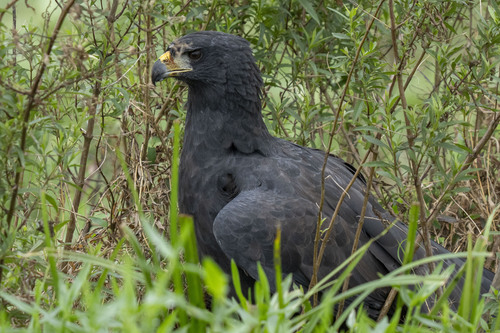 Busardo Urubitinga
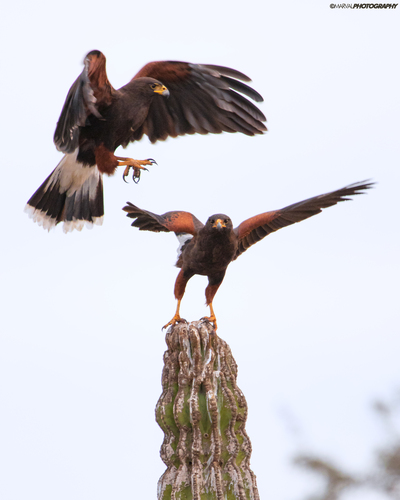 Busardo Mixto
En breve
La marca de campo más confiable entre el Busardo Urubitinga y el Busardo Mixto, especialmente para aves inmaduras en vuelo, es el patrón de la cola y las alas: los juveniles de Busardo Urubitinga muestran una cola con múltiples barras oscuras y tenues, mientras que los juveniles de Busardo Mixto tienen una banda de cola más clara y un panel distintivo pálido en el ala exterior. Los adultos de ambos son mayormente oscuros, pero el Busardo Urubitinga es más grande, con alas más anchas y una cola blanca corta con una punta negra ancha, mientras que los adultos de Busardo Mixto muestran hombros y muslos castaños y una base y punta blancas en la cola. La estructura y el tamaño también ayudan: el Busardo Urubitinga es más robusto con alas más anchas y un pico más pesado. La voz y el hábitat son menos útiles a menos que estés en el extremo norte (donde el Busardo Urubitinga es un vagabundo).
Consejos de identificación
- Patrón de cola juvenil: Los juveniles de Busardo Urubitinga muestran una cola con múltiples barras negras y tenues; los juveniles de Busardo Mixto tienen una banda de cola más clara y un barrado menos extenso. Revisa la cola en vuelo o cuando están posados.
- Bajo las alas y cuerpo juvenil: El juvenil de Busardo Mixto es mucho más claro por debajo, con fuertes estrías de color crema o blanco, y muestra un panel pálido en el ala exterior (primarias blanquecinas excepto en las puntas). Los juveniles de Busardo Urubitinga son más oscuros, con partes inferiores de color crema y manchas oscuras, careciendo del panel pálido en el ala.
- Patrón de cola adulto: Los adultos de Busardo Urubitinga tienen una cola corta que es blanca con una punta negra ancha (una sola banda blanca ancha). Los adultos de Busardo Mixto tienen una cola con base blanca y punta blanca, separadas por una banda oscura ancha; el blanco es más extenso, especialmente en P. u. harrisi.
- Plumaje adulto: Los adultos de Busardo Urubitinga son casi completamente negros sin tonos castaños. Los adultos de Busardo Mixto tienen un rico castaño en los hombros y muslos, que es visible tanto posados como en vuelo.
- Tamaño y estructura: El Busardo Urubitinga es más grande, más robusto, y tiene alas más anchas y un pico más pesado. El Busardo Mixto es más pequeño y más esbelto, con cola y alas proporcionalmente más largas (especialmente en P. u. unicinctus).
- Color de las patas y cera: Ambas especies tienen patas y cera amarillas, por lo que esto no es un separador útil.
- Comportamiento en vuelo: El Busardo Urubitinga parece pesado y de alas anchas en vuelo, con batidos de alas lentos y profundos. El Busardo Mixto es más ágil y menos masivo, a menudo visto planeando o ascendiendo con las alas extendidas.
- Comportamiento en grupo: El Busardo Mixto a menudo se ve en grupos o parejas, a veces con tres aves en un nido. El Busardo Urubitinga es solitario.
- Hábitat: El Busardo Mixto prefiere hábitats abiertos, áridos o semiáridos con árboles o cactus dispersos. El Busardo Urubitinga es un ave de bosques húmedos y bordes de ríos; en los EE. UU., es solo un vagabundo.
- Vocalización: Si escuchas un distintivo llamado 'ooo-wheeeeee', es el Busardo Urubitinga. Los llamados del Busardo Mixto no se describen aquí.
- Variación de subespecies: Si ves un Busardo Mixto con un ala inferior más clara y con patrón (no completamente oscura), puede ser P. u. unicinctus, pero todos los Busardos Mixtos tienen hombros y muslos castaños y una base y punta blancas en la cola.
- Trampas de plumaje: Los juveniles de Busardo Mixto pueden verse muy diferentes de los adultos, siendo mucho más claros por debajo y con paneles de alas pálidos; no los confundas con los juveniles de Busardo Urubitinga, que son más oscuros y tienen marcas más uniformes.
- Contexto geográfico: Si estás fuera de los Neotrópicos y ves un gran halcón completamente oscuro, es mucho más probable que sea un Busardo Mixto a menos que tengas un Busardo Urubitinga vagabundo conocido.
- Vista posada: Busca castaño en los muslos y hombros para el Busardo Mixto; el Busardo Urubitinga carecerá de tonos cálidos y aparecerá completamente negro con una banda blanca en la cola.
- Cuando tengas dudas: Concéntrate en el patrón de la cola y la presencia/ausencia de tonos castaños para los adultos, y en el patrón de las alas y la cola para los juveniles. Estas son las marcas de campo más confiables en todas las condiciones.
Tamaño
El Busardo Urubitinga es notablemente más grande y pesado que el Busardo Mixto. El Busardo Urubitinga mide entre 56 y 64 cm de longitud y pesa alrededor de 1.1 kg, lo que lo hace más robusto e imponente en vuelo o posado. El Busardo Mixto es más pequeño, con una masa adulta promedio de 843.7 g. En el campo, el Busardo Urubitinga parecerá tener alas más anchas y ser más robusto, mientras que el Busardo Mixto aparecerá de tamaño mediano y menos masivo.
Plumaje
- Aves juveniles/inmaduras en vuelo:
- Los juveniles de Busardo Urubitinga son de color marrón oscuro por encima con manchas y estrías, partes inferiores de color crema con manchas oscuras, y una cola con varias barras negras y tenues. Sus alas son anchas y mayormente oscuras, careciendo de paneles pálidos obvios.
- Los juveniles de Busardo Mixto son mucho más claros por debajo, con fuertes estrías de color blanco o crema, y en vuelo muestran alas inferiores de color crema con estrías marrones. Las primarias son blanquecinas excepto en las puntas, creando un panel pálido en el ala exterior, y la banda de la cola es más clara que en los adultos.
- Adultos:
- Los adultos de Busardo Urubitinga son casi completamente negros, con una cola corta que es blanca con una punta negra ancha. El pico es negro, y las patas y la cera son amarillas. Sin tonos castaños.
- Los adultos de Busardo Mixto son de color marrón oscuro a negruzco en general, pero tienen un rico castaño en los hombros y muslos, y la cola tiene una base y punta blancas (las bandas blancas son más anchas en la subespecie del norte, P. u. harrisi). La parte inferior del ala es completamente oscura en el P. u. harrisi maduro, pero con patrón y más clara en el P. u. unicinctus. No hay aves completamente negras con una sola banda blanca en la cola.
Comportamiento
El Busardo Mixto es famoso por su caza cooperativa y a menudo se ve en pequeños grupos, a veces con tres aves en un nido. El Busardo Urubitinga es típicamente solitario. El Busardo Mixto puede verse posado junto a otros o cazando en tándem, mientras que el Busardo Urubitinga suele estar solo y ser más reservado. Ambos se posan de manera conspicua, pero es más probable que el Busardo Mixto se vea en campo abierto o posado en cactus.
Hábitat
El Busardo Urubitinga es una especie de bosques húmedos, bordes de ríos y áreas boscosas en los Neotrópicos, rara vez vagando hacia el norte (vagabundo en los EE. UU.). El Busardo Mixto prefiere hábitats abiertos y áridos: matorrales, sabanas y desiertos, a menudo con árboles o cactus dispersos. Si estás en un país seco y abierto, es mucho más probable que veas un Busardo Mixto; el Busardo Urubitinga es un vagabundo raro en los EE. UU. y nunca se espera en desiertos o matorrales áridos.
Voz
El Busardo Urubitinga tiene un llamado distintivo descrito como 'ooo-wheeeeee'. Los llamados del Busardo Mixto no se describen en las notas, por lo que la voz solo es útil si escuchas el llamado único del Busardo Urubitinga.