

Estornino Pinto vs Zorzal Charlo
Sturnus vulgaris frente a Turdus viscivorus
Juega un quiz con Estornino Pinto y Zorzal Charlo
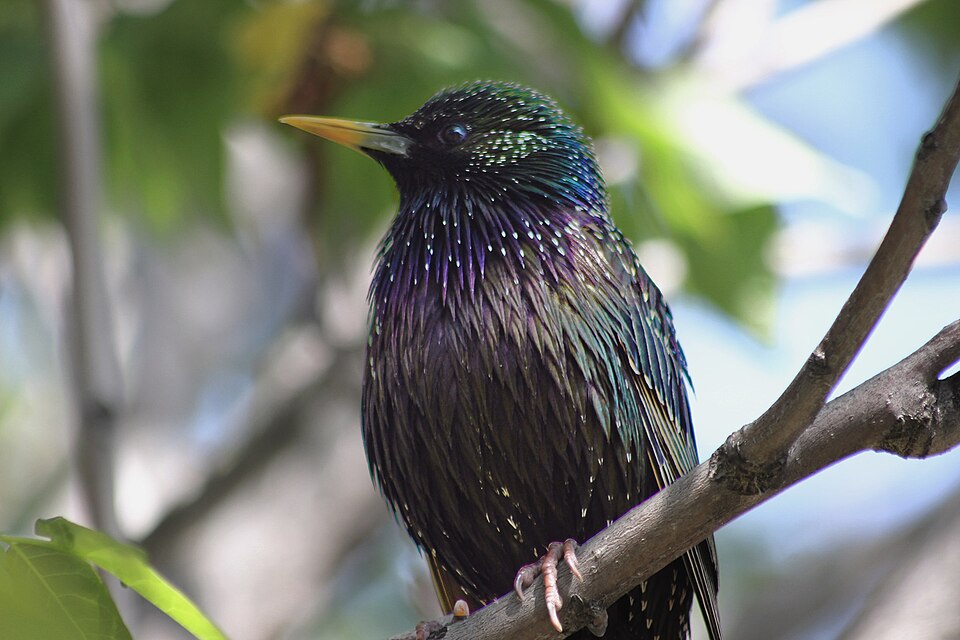 Estornino Pinto
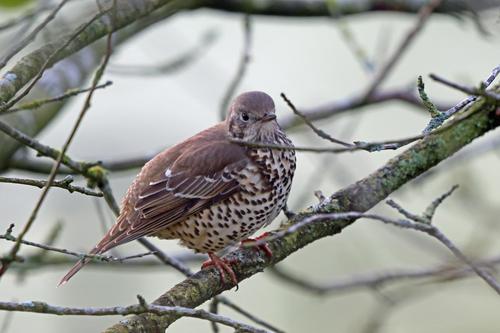 Zorzal Charlo
En breve
La marca de campo más confiable para separar el Estornino Pinto del Zorzal Charlo es el plumaje y la estructura general: los estorninos son compactos, de cola corta y de color negro iridiscente con moteado blanco estacional, mientras que los zorzales charlos son mucho más grandes, de cola larga y pálidos por debajo con manchas negras redondas y audaces. Los estorninos juveniles son de un marrón grisáceo uniforme y carecen de las partes inferiores moteadas del zorzal, pero incluso los inmaduros muestran una cola más corta y alas más puntiagudas en vuelo. Los estorninos tienen un pico afilado, similar a una cuchilla, y patas rosadas, mientras que los zorzales charlos tienen una forma más típica de zorzal, postura erguida y patas de color marrón amarillento. En vuelo, los estorninos parecen oscuros y con alas triangulares, a menudo en bandadas compactas, mientras que los zorzales charlos muestran alas inferiores pálidas y un vuelo ondulante y saltarín.
Consejos de identificación
- Tamaño y forma: El Zorzal Charlo es mucho más grande, más robusto y de cola más larga que el Estornino Pinto. Si ambos están presentes, la diferencia es notable; los estorninos parecen compactos y de cola corta en comparación. El tamaño por sí solo no siempre es confiable a distancia, pero la postura erguida del zorzal y su cola larga son buenas pistas.
- Pico: Los estorninos tienen un pico afilado, similar a una cuchilla, que es amarillo en la temporada de cría y oscuro en invierno; los zorzales charlos tienen un pico más típico de zorzal, negruzco con una base amarillenta, nunca amarillo brillante. El color del pico es más útil en primavera/verano.
- Color de las patas: Los estorninos muestran patas rosadas o grisáceas-rojas, especialmente en la temporada de cría; los zorzales charlos tienen patas de color marrón amarillento. Esto es sutil, pero puede ayudar a corta distancia.
- Plumaje (adulto, invierno): Los estorninos son de color negro brillante con moteado blanco extenso, especialmente en el pecho y los flancos. Los Zorzales Charlo son pálidos por debajo con manchas negras redondas y audaces y un pecho de color marrón amarillento. El zorzal nunca muestra iridiscencia o plumaje oscuro uniforme.
- Plumaje (adulto, cría): Los estorninos pierden la mayoría de las manchas blancas y se vuelven más uniformemente de color negro brillante con un brillo metálico, mientras que los zorzales charlos permanecen pálidos y con muchas manchas por debajo.
- Juvenil/primer invierno: Los estorninos juveniles son de un marrón grisáceo uniforme, careciendo de manchas por debajo, mientras que los zorzales charlos juveniles tienen partes superiores más pálidas con centros de plumas cremosos y siempre muestran al menos algunas manchas en las partes inferiores. En el primer invierno, los estorninos pueden retener algo de marrón en la cabeza, pero nunca muestran las audaces manchas del zorzal.
- Silhouette de vuelo: Los estorninos tienen colas cortas y alas triangulares fuertemente puntiagudas, dando una apariencia compacta y oscura en vuelo. Los Zorzales Charlo muestran colas largas con puntas blancas exteriores, alas anchas y una apariencia más pálida y con patrón. El vuelo del zorzal es ondulante y saltarín, mientras que los estorninos vuelan de manera fuerte y directa.
- Comportamiento de bandada: Los estorninos a menudo se encuentran en bandadas densas y sincronizadas que giran y cambian de dirección al unísono, especialmente en invierno. Los Zorzales Charlo son más solitarios o se encuentran en grupos sueltos, raramente formando bandadas compactas.
- Postura: En el suelo, los zorzales charlos se mantienen erguidos y saltan, mientras que los estorninos caminan o corren con un andar más horizontal y movido.
- Patrón de alas inferiores: En vuelo, los zorzales charlos muestran cobertores de alas inferiores blancos y una apariencia pálida; los estorninos parecen oscuros por debajo, careciendo de un fuerte contraste en las alas inferiores.
- Patrón de cola: Los Zorzales Charlo tienen puntas blancas en las plumas exteriores de la cola, visibles en vuelo y a veces cuando están posados. Los estorninos tienen una cola corta y oscura sin puntas blancas.
- Diferencias sexuales: Los estorninos pueden ser sexados por el color del iris y el color de la base del pico en la temporada de cría, pero esto es sutil y no útil para separarlos del zorzal charlo.
- Contexto estacional: En invierno, es más probable que los estorninos se vean en grandes bandadas densas, mientras que los zorzales charlos pueden reunirse en grupos sueltos, pero rara vez son tan numerosos o sincronizados.
- Hábitat: Los estorninos son comunes en entornos urbanos/suburbanos y en jardines; los zorzales charlos prefieren bosques abiertos, parques y jardines más grandes con árboles maduros.
- Vocalizaciones: No es diagnóstico según las notas proporcionadas, pero en la práctica, los estorninos son muy vocales con una amplia gama de silbidos y clics, mientras que los zorzales charlos tienen una canción fuerte y melodiosa y llamadas ásperas y ruidosas.
Tamaño
El Zorzal Charlo es sustancialmente más grande: 27–28 cm de longitud con una envergadura de 45 cm y un peso promedio de alrededor de 130 g [wikipedia], en comparación con los 19–23 cm de longitud, 31–44 cm de envergadura y 58–101 g de peso del Estornino Pinto [wikipedia, avonet]. El zorzal no solo es más largo, sino también más robusto y robusto, con una cola notablemente más larga. Los estorninos son de tamaño mediano entre los paseriformes, pero parecen notablemente más pequeños y compactos junto a un zorzal charlo.
Plumaje
- Juvenil/Primer invierno: Los estorninos comunes juveniles son de un marrón grisáceo uniforme sin manchas, a veces reteniendo marrón en la cabeza hasta el primer invierno, mientras que los zorzales charlos juveniles son más pálidos arriba con centros de plumas cremosos en forma de 'gota' y manchas redondas más pequeñas, pero aún presentes, en las partes inferiores amarillentas [wikipedia]. En el primer invierno, los zorzales charlos son similares a los adultos pero con partes inferiores más amarillentas, mostrando siempre manchas por debajo. Los estorninos nunca muestran las audaces manchas del zorzal a ninguna edad.
- Adulto no reproductor (invierno): Los estorninos son de color negro brillante con un brillo metálico, muy moteados de blanco, especialmente en el pecho y los flancos. Los Zorzales Charlo son de color marrón grisáceo pálido arriba, marrón amarillento en el pecho, blanco sucio en el vientre y marcados con manchas negras redondas que son más densas en la parte inferior del pecho. Las partes inferiores del zorzal son siempre pálidas y moteadas, nunca iridiscentes o uniformes.
- Adulto reproductor (primavera/verano): Los estorninos pierden gran parte de su moteado blanco a medida que las puntas de las plumas se desgastan, volviéndose más uniformemente de color negro brillante con un brillo púrpura o verde. Los Zorzales Charlo retienen sus partes inferiores pálidas y moteadas durante todo el año. Los picos de los estorninos se vuelven amarillos (con base azul-grisácea en los machos, rosa en las hembras), mientras que los picos de los zorzales charlos permanecen negruzcos con una base amarillenta.
- Vuelo: Los estorninos muestran alas triangulares fuertemente puntiagudas y una cola corta, apareciendo oscuros en general. Los Zorzales Charlo muestran una cola larga con puntas exteriores blancas, cobertores de alas inferiores blancos y una apariencia más pálida y con patrón en vuelo.
Comportamiento
Los Estorninos Pintos caminan o corren en el suelo con un andar algo movido, a menudo forrajeando en bandadas densas y sincronizadas que despegan y giran en formaciones compactas. Su vuelo es rápido, directo y entrecortado con cortos deslizamientos, con toda la bandada moviéndose como uno solo. Los Zorzales Charlo son más solitarios o en parejas durante la mayor parte del año, a veces formando bandadas sueltas a finales de verano u otoño. Saltan en el suelo con una postura erguida y alerta, moviendo las alas y la cola cuando están agitados. Su vuelo es ondulante, con saltos intercalados con deslizamientos, y no forman las bandadas compactas y giratorias típicas de los estorninos.
Hábitat
Ambas especies se pueden encontrar en campos abiertos, parques y jardines, pero los estorninos están más fuertemente asociados con áreas urbanas y suburbanas, a menudo vistos en grandes bandadas en jardines o cables. Los Zorzales Charlo se encuentran más a menudo en bosques abiertos, parques y jardines más grandes, especialmente donde hay árboles maduros. En invierno, los zorzales charlos pueden unirse a bandadas sueltas en campos abiertos, pero rara vez alcanzan las concentraciones densas típicas de los estorninos.