

Motmot

Yellow-crested Cockatoo vs Sulphur-crested Cockatoo

Cacatua sulphurea versus Cacatua galerita

Play a quiz with Yellow-crested Cockatoo and Sulphur-crested Cockatoo
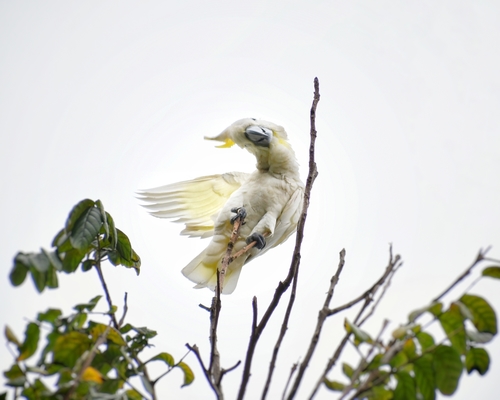
Yellow-crested Cockatoo (Cacatua sulphurea) Yellow-crested Cockatoo
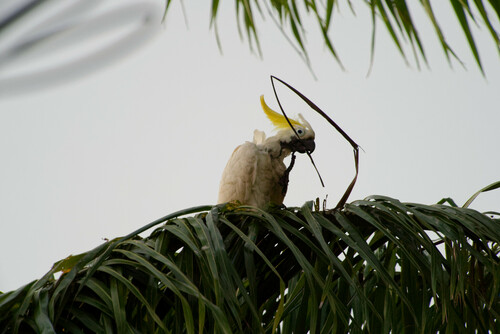
Sulphur-crested Cockatoo (Cacatua galerita) Sulphur-crested Cockatoo

Media

Loading…

In short

The most reliable field mark to separate Yellow-crested Cockatoo from Sulphur-crested Cockatoo is size: Yellow-crested is distinctly smaller, with a noticeably shorter body and proportionally smaller bill. In the field, also look for the color and shape of the crest—Yellow-crested shows a brighter yellow to orange, more slender and pointed crest, while Sulphur-crested has a larger, broader, paler yellow crest. Bare skin around the eye is bluish-white in Yellow-crested but whitish in Sulphur-crested. Both are mainly white, but Sulphur-crested is bulkier and often shows yellow tinges under the wings and tail. Range is a strong clue: Sulphur-crested is widespread and common in Australia and New Guinea, while Yellow-crested is restricted to parts of Indonesia and East Timor.

Identification tips

  1. Size is the quickest separator: Sulphur-crested is much larger (44–55 cm) than Yellow-crested (about 34 cm). If you have a sense of scale, this is often diagnostic.
  2. Crest color and shape: Yellow-crested has a slender, pointed, brighter yellow to orange crest; Sulphur-crested’s crest is larger, broader, and paler yellow. Crest shape is best seen when raised.
  3. Facial bare skin: Look for bluish-white bare skin around the eye in Yellow-crested; Sulphur-crested shows a whitish eye-ring.
  4. Cheek color: Yellow-crested often shows pale yellow on the cheeks, a feature usually absent in Sulphur-crested (though beware of rare yellowish patches in some Sulphur-crested individuals).
  5. Underwing and undertail color: Sulphur-crested often shows yellow tinges under the wings and tail, visible in flight or when wings are spread; Yellow-crested is less marked below.
  6. Bill size and shape: Sulphur-crested has a proportionally larger, heavier bill, contributing to a more robust head profile. Yellow-crested’s bill is smaller and less deep.
  7. Overall build: Sulphur-crested is bulkier and longer-tailed; Yellow-crested appears more compact and lightly built.
  8. Eye color (adults): Male Sulphur-crested usually have dark eyes, females more red or brown, but this is subtle and only visible at close range in good light. Yellow-crested sexes are similar and this is not a useful field mark.
  9. Group size and behavior: Large, noisy flocks are typical of Sulphur-crested, especially in open or urban areas. Yellow-crested is more often seen in pairs or small groups.
  10. Range and context: In Australia and New Guinea, Sulphur-crested is the default; Yellow-crested does not occur. In the Lesser Sundas, Sulawesi, or East Timor, Yellow-crested is possible but rare—Sulphur-crested is absent or scarce.
  11. Voice: Sulphur-crested’s call is much louder and harsher; Yellow-crested is still noisy but less ear-splitting.
  12. Habitat: Sulphur-crested adapts readily to urban areas and is often seen in cities; Yellow-crested is more restricted to wooded and cultivated rural areas.
  13. Plumage confusion: Both are white with yellow crests, but beware of captive birds or hybrids, which may show intermediate features. Always use a combination of marks.
  14. Juvenile/immature birds: No distinctive upperwing or age-specific flight marks are described for either species, so rely on size, crest, and facial skin.
  15. Pitfalls: Some Sulphur-crested Cockatoos may show faint yellowish cheek patches, but these are never as strong or as orange-toned as in Yellow-crested. Always check multiple features.

Size

Yellow-crested Cockatoo is medium-sized, about 34 cm long [wikipedia], making it much smaller than the Sulphur-crested Cockatoo, which ranges from 44–55 cm in length [wikipedia]. This size difference is obvious in direct comparison or with experience. Sulphur-crested also appears bulkier, with a heavier bill and longer tail. If seen together, Sulphur-crested dwarfs Yellow-crested. Bill size is proportionally larger in Sulphur-crested, contributing to a more robust look.

Plumage

Both species are predominantly white, but subtle differences are key. The Yellow-crested Cockatoo has a retractile crest that is brighter yellow to orange (sometimes almost orange in some subspecies), and the bare skin around the eye is bluish-white. Sulphur-crested Cockatoo has a larger, broader, paler yellow crest and a whitish eye-ring. Underwing and undertail feathers in Sulphur-crested are tinged yellow, which may be visible in flight or on perched birds with wings spread; this is less marked or absent in Yellow-crested. Cheek color is another clue: Yellow-crested often shows pale yellow on the cheeks, which is typically lacking in Sulphur-crested (though some individuals may develop faint yellowish patches). Both have grey legs and black bills. No age-specific upperwing pattern differences are described in the sources for either species, so focus on crest, face, and size.

Behaviour

Sulphur-crested Cockatoos are highly gregarious, often forming large, noisy flocks, especially in urban or open wooded areas. They are bold, adaptable, and frequently seen feeding on the ground or in trees, sometimes considered pests due to their abundance and adaptability. Yellow-crested Cockatoos are less numerous and more localized, typically seen in smaller groups or pairs. Both species are intelligent and inquisitive, but Sulphur-crested is especially known for its problem-solving behavior (e.g., opening bins in cities).

Habitat

Sulphur-crested Cockatoo is widespread in Australia, New Guinea, and nearby islands, thriving in a variety of wooded habitats, including urban parks and gardens, and can be very numerous. Yellow-crested Cockatoo is restricted to wooded and cultivated areas in East Timor and Indonesia's Sulawesi and Lesser Sunda Islands, with a much smaller and declining population. If you are in Australia or New Guinea, you are almost certainly seeing Sulphur-crested; in the Lesser Sundas or Sulawesi, Yellow-crested is possible but rare.

Voice

Sulphur-crested Cockatoos are famous for their extremely loud, raucous screeches, which carry over long distances and are often heard before the birds are seen. Yellow-crested Cockatoos also call loudly, but their voice is generally described as less harsh and not as ear-splitting as Sulphur-crested. In practice, both can be noisy, but the sheer volume and harshness of Sulphur-crested is distinctive.

Submit a better description

Use the same sections as the comparison. Your text is published immediately.

The most reliable field mark to separate Yellow-crested Cockatoo from Sulphur-crested Cockatoo is size: Yellow-crested is distinctly smaller, with a noticeably shorter body and proportionally smaller bill. In the field, also look for the color and shape of the crest—Yellow-crested shows a brighter yellow to orange, more slender and pointed crest, while Sulphur-crested has a larger, broader, paler yellow crest. Bare skin around the eye is bluish-white in Yellow-crested but whitish in Sulphur-crested. Both are mainly white, but Sulphur-crested is bulkier and often shows yellow tinges under the wings and tail. Range is a strong clue: Sulphur-crested is widespread and common in Australia and New Guinea, while Yellow-crested is restricted to parts of Indonesia and East Timor.

  1. Size is the quickest separator: Sulphur-crested is much larger (44–55 cm) than Yellow-crested (about 34 cm). If you have a sense of scale, this is often diagnostic.
  2. Crest color and shape: Yellow-crested has a slender, pointed, brighter yellow to orange crest; Sulphur-crested’s crest is larger, broader, and paler yellow. Crest shape is best seen when raised.
  3. Facial bare skin: Look for bluish-white bare skin around the eye in Yellow-crested; Sulphur-crested shows a whitish eye-ring.
  4. Cheek color: Yellow-crested often shows pale yellow on the cheeks, a feature usually absent in Sulphur-crested (though beware of rare yellowish patches in some Sulphur-crested individuals).
  5. Underwing and undertail color: Sulphur-crested often shows yellow tinges under the wings and tail, visible in flight or when wings are spread; Yellow-crested is less marked below.
  6. Bill size and shape: Sulphur-crested has a proportionally larger, heavier bill, contributing to a more robust head profile. Yellow-crested’s bill is smaller and less deep.
  7. Overall build: Sulphur-crested is bulkier and longer-tailed; Yellow-crested appears more compact and lightly built.
  8. Eye color (adults): Male Sulphur-crested usually have dark eyes, females more red or brown, but this is subtle and only visible at close range in good light. Yellow-crested sexes are similar and this is not a useful field mark.
  9. Group size and behavior: Large, noisy flocks are typical of Sulphur-crested, especially in open or urban areas. Yellow-crested is more often seen in pairs or small groups.
  10. Range and context: In Australia and New Guinea, Sulphur-crested is the default; Yellow-crested does not occur. In the Lesser Sundas, Sulawesi, or East Timor, Yellow-crested is possible but rare—Sulphur-crested is absent or scarce.
  11. Voice: Sulphur-crested’s call is much louder and harsher; Yellow-crested is still noisy but less ear-splitting.
  12. Habitat: Sulphur-crested adapts readily to urban areas and is often seen in cities; Yellow-crested is more restricted to wooded and cultivated rural areas.
  13. Plumage confusion: Both are white with yellow crests, but beware of captive birds or hybrids, which may show intermediate features. Always use a combination of marks.
  14. Juvenile/immature birds: No distinctive upperwing or age-specific flight marks are described for either species, so rely on size, crest, and facial skin.
  15. Pitfalls: Some Sulphur-crested Cockatoos may show faint yellowish cheek patches, but these are never as strong or as orange-toned as in Yellow-crested. Always check multiple features.

Yellow-crested Cockatoo is medium-sized, about 34 cm long [wikipedia], making it much smaller than the Sulphur-crested Cockatoo, which ranges from 44–55 cm in length [wikipedia]. This size difference is obvious in direct comparison or with experience. Sulphur-crested also appears bulkier, with a heavier bill and longer tail. If seen together, Sulphur-crested dwarfs Yellow-crested. Bill size is proportionally larger in Sulphur-crested, contributing to a more robust look.

Both species are predominantly white, but subtle differences are key. The Yellow-crested Cockatoo has a retractile crest that is brighter yellow to orange (sometimes almost orange in some subspecies), and the bare skin around the eye is bluish-white. Sulphur-crested Cockatoo has a larger, broader, paler yellow crest and a whitish eye-ring. Underwing and undertail feathers in Sulphur-crested are tinged yellow, which may be visible in flight or on perched birds with wings spread; this is less marked or absent in Yellow-crested. Cheek color is another clue: Yellow-crested often shows pale yellow on the cheeks, which is typically lacking in Sulphur-crested (though some individuals may develop faint yellowish patches). Both have grey legs and black bills. No age-specific upperwing pattern differences are described in the sources for either species, so focus on crest, face, and size.

Sulphur-crested Cockatoos are highly gregarious, often forming large, noisy flocks, especially in urban or open wooded areas. They are bold, adaptable, and frequently seen feeding on the ground or in trees, sometimes considered pests due to their abundance and adaptability. Yellow-crested Cockatoos are less numerous and more localized, typically seen in smaller groups or pairs. Both species are intelligent and inquisitive, but Sulphur-crested is especially known for its problem-solving behavior (e.g., opening bins in cities).

Sulphur-crested Cockatoo is widespread in Australia, New Guinea, and nearby islands, thriving in a variety of wooded habitats, including urban parks and gardens, and can be very numerous. Yellow-crested Cockatoo is restricted to wooded and cultivated areas in East Timor and Indonesia's Sulawesi and Lesser Sunda Islands, with a much smaller and declining population. If you are in Australia or New Guinea, you are almost certainly seeing Sulphur-crested; in the Lesser Sundas or Sulawesi, Yellow-crested is possible but rare.

Sulphur-crested Cockatoos are famous for their extremely loud, raucous screeches, which carry over long distances and are often heard before the birds are seen. Yellow-crested Cockatoos also call loudly, but their voice is generally described as less harsh and not as ear-splitting as Sulphur-crested. In practice, both can be noisy, but the sheer volume and harshness of Sulphur-crested is distinctive.

Discard your changes?

You have unsaved edits. If you leave now, those changes will be lost.

Yellow-crested Cockatoo · Sulphur-crested Cockatoo · My Tricky Birds