

Motmot

コバタン 対 キバタン

Cacatua sulphurea 対 Cacatua galerita

コバタンとキバタンのクイズ
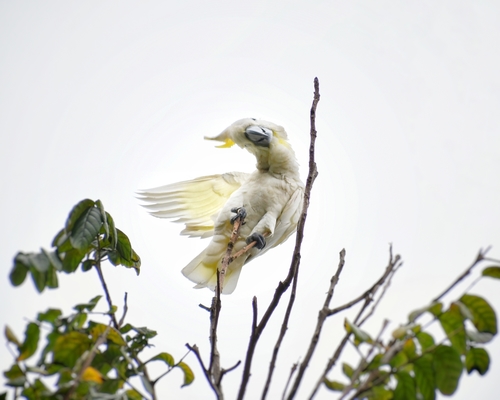
コバタン (Cacatua sulphurea) コバタン
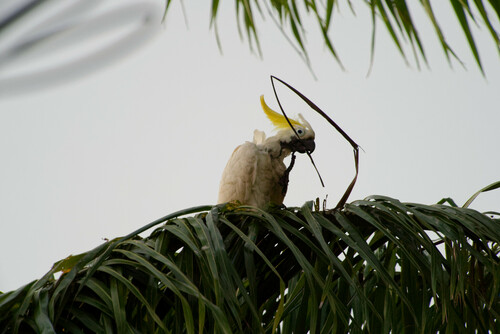
キバタン (Cacatua galerita) キバタン

メディア

読み込み中…

要点

イエロークレストコカトゥとキバタンを区別する最も信頼できるフィールドマークはサイズです:イエロークレストは明らかに小さく、体が短く、比例的にくちばしも小さいです。フィールドでは、クレストの色と形にも注目してください—イエロークレストは明るい黄色からオレンジ色で、より細く尖ったクレストを持ち、キバタンはより大きく、広く、淡い黄色のクレストを持っています。目の周りの裸の皮膚はイエロークレストでは青白いですが、キバタンでは白っぽいです。両者は主に白ですが、キバタンはよりがっしりしており、しばしば翼と尾の下に黄色の色合いを示します。分布は強力な手がかりです:キバタンはオーストラリアとニューギニアで広く一般的ですが、イエロークレストはインドネシアと東ティモールの一部に制限されています。

識別のコツ

  1. サイズは最も迅速な区別要素:キバタンはイエロークレスト(約34 cm)よりもはるかに大きい(44–55 cm)です。スケール感があれば、これはしばしば診断的です。
  2. クレストの色と形:イエロークレストは細く、尖った、明るい黄色からオレンジ色のクレストを持っています;キバタンのクレストはより大きく、広く、淡い黄色です。クレストの形は上げたときに最もよく見えます。
  3. 顔の裸の皮膚:イエロークレストでは目の周りに青白い裸の皮膚を探してください;キバタンは白っぽいアイリングを示します。
  4. 頬の色:イエロークレストはしばしば頬に淡い黄色を示しますが、これは通常キバタンにはありません(ただし、いくつかのキバタン個体にはまれに黄色っぽい斑点が現れることがあります)。
  5. 翼の下と尾の下の色:キバタンはしばしば翼と尾の下に黄色の色合いを示し、飛行中または翼を広げたときに見えることがあります;イエロークレストは下側があまり目立ちません。
  6. くちばしのサイズと形:キバタンは比例的に大きく、重いくちばしを持ち、より頑丈な頭のプロファイルに寄与しています。イエロークレストのくちばしは小さく、深さも少ないです。
  7. 全体的な体格:キバタンはがっしりしており、尾が長い;イエロークレストはよりコンパクトで軽量に見えます。
  8. 目の色(成鳥):オスのキバタンは通常暗い目を持ち、メスはより赤または茶色ですが、これは微妙で、良い光の下で近くでしか見えません。イエロークレストの性別は似ており、これは有用なフィールドマークではありません。
  9. 群れのサイズと行動:大きくて騒々しい群れは特にオープンまたは都市部でのキバタンに典型的です。イエロークレストはより頻繁にペアや小さな群れで見られます。
  10. 分布と文脈:オーストラリアとニューギニアでは、キバタンがデフォルトです;イエロークレストは発生しません。小スンダ諸島、スラウェシ、または東ティモールでは、イエロークレストは可能ですがまれで、キバタンは存在しないか希少です。
  11. 声:キバタンの鳴き声ははるかに大きく、粗いです;イエロークレストはまだ騒がしいですが、耳をつんざくような音ではありません。
  12. 生息地:キバタンは都市部に容易に適応し、しばしば都市で見られます;イエロークレストはより森林や耕作された田舎の地域に制限されています。
  13. 羽毛の混乱:両者は白で黄色のクレストを持っていますが、捕獲された鳥やハイブリッドには中間的な特徴が現れることがあります。常に複数のマークの組み合わせを使用してください。
  14. 幼鳥/未成熟の鳥:どちらの種についても特定の上翼や年齢特有の飛行マークは記載されていないため、サイズ、クレスト、顔の皮膚に依存してください。
  15. 落とし穴:一部のキバタンは淡い黄色の頬の斑点を示すことがありますが、これらはイエロークレストのように強く、オレンジ色のトーンではありません。常に複数の特徴を確認してください。

大きさ

イエロークレストコカトゥは中型で、約34 cmの長さです [wikipedia]。これはキバタン(44–55 cmの長さ [wikipedia])よりもはるかに小さいです。このサイズの違いは、直接比較や経験で明らかです。キバタンはまた、がっしりして見え、くちばしが重く、尾が長いです。一緒に見ると、キバタンはイエロークレストを圧倒します。くちばしのサイズはキバタンで比例的に大きく、より頑丈な外観に寄与しています。

羽色

両種は主に白ですが、微妙な違いが重要です。イエロークレストコカトゥは、より明るい黄色からオレンジ色(時にはいくつかの亜種ではほぼオレンジ)に retractile クレストを持ち、目の周りの裸の皮膚は青白いです。キバタンはより大きく、広く、淡い黄色のクレストと白っぽいアイリングを持っています。キバタンの翼の下と尾の下の羽毛は黄色がかっており、飛行中や翼を広げたときに見えることがあります;これはイエロークレストではあまり目立たないか、存在しません。頬の色も別の手がかりです:イエロークレストはしばしば頬に淡い黄色を示しますが、これは通常キバタンには欠けています(ただし、一部の個体には淡い黄色の斑点が現れることがあります)。両者は灰色の脚と黒いくちばしを持っています。どちらの種についても年齢特有の上翼パターンの違いは記載されていないため、クレスト、顔、サイズに注目してください。

行動

キバタンは非常に群れを成す性質があり、特に都市部やオープンな森林地域で大きくて騒々しい群れを形成することがよくあります。彼らは大胆で適応力があり、地面や木の中で餌を食べているのを頻繁に見かけ、豊富さと適応性のために害獣と見なされることもあります。イエロークレストコカトゥは数が少なく、より局所的で、通常は小さな群れやペアで見られます。両種は知的で好奇心旺盛ですが、キバタンは特に問題解決行動(例:都市でのゴミ箱を開ける)で知られています。

生息環境

キバタンはオーストラリア、ニューギニア、近隣の島々で広く分布し、都市公園や庭を含むさまざまな森林生息地で繁栄し、非常に数が多いです。イエロークレストコカトゥは東ティモールとインドネシアのスラウェシおよび小スンダ諸島の森林や耕作された地域に制限されており、数が非常に少なく減少しています。オーストラリアやニューギニアにいる場合、ほぼ確実にキバタンを見ていることになります;小スンダ諸島やスラウェシでは、イエロークレストは可能ですがまれです。

声

キバタンは非常に大きく、騒々しい叫び声で有名で、長距離にわたって響き渡り、鳥が見える前にしばしば聞こえます。イエロークレストコカトゥも大きな声で鳴きますが、その声は一般的にキバタンほど厳しくなく、耳をつんざくようなものではありません。実際には、両者とも騒がしいことがありますが、キバタンの音量と厳しさは特徴的です。

より良い説明を送る

比較と同じ項目を使ってください。文章はすぐに公開されます。

The most reliable field mark to separate Yellow-crested Cockatoo from Sulphur-crested Cockatoo is size: Yellow-crested is distinctly smaller, with a noticeably shorter body and proportionally smaller bill. In the field, also look for the color and shape of the crest—Yellow-crested shows a brighter yellow to orange, more slender and pointed crest, while Sulphur-crested has a larger, broader, paler yellow crest. Bare skin around the eye is bluish-white in Yellow-crested but whitish in Sulphur-crested. Both are mainly white, but Sulphur-crested is bulkier and often shows yellow tinges under the wings and tail. Range is a strong clue: Sulphur-crested is widespread and common in Australia and New Guinea, while Yellow-crested is restricted to parts of Indonesia and East Timor.

  1. Size is the quickest separator: Sulphur-crested is much larger (44–55 cm) than Yellow-crested (about 34 cm). If you have a sense of scale, this is often diagnostic.
  2. Crest color and shape: Yellow-crested has a slender, pointed, brighter yellow to orange crest; Sulphur-crested’s crest is larger, broader, and paler yellow. Crest shape is best seen when raised.
  3. Facial bare skin: Look for bluish-white bare skin around the eye in Yellow-crested; Sulphur-crested shows a whitish eye-ring.
  4. Cheek color: Yellow-crested often shows pale yellow on the cheeks, a feature usually absent in Sulphur-crested (though beware of rare yellowish patches in some Sulphur-crested individuals).
  5. Underwing and undertail color: Sulphur-crested often shows yellow tinges under the wings and tail, visible in flight or when wings are spread; Yellow-crested is less marked below.
  6. Bill size and shape: Sulphur-crested has a proportionally larger, heavier bill, contributing to a more robust head profile. Yellow-crested’s bill is smaller and less deep.
  7. Overall build: Sulphur-crested is bulkier and longer-tailed; Yellow-crested appears more compact and lightly built.
  8. Eye color (adults): Male Sulphur-crested usually have dark eyes, females more red or brown, but this is subtle and only visible at close range in good light. Yellow-crested sexes are similar and this is not a useful field mark.
  9. Group size and behavior: Large, noisy flocks are typical of Sulphur-crested, especially in open or urban areas. Yellow-crested is more often seen in pairs or small groups.
  10. Range and context: In Australia and New Guinea, Sulphur-crested is the default; Yellow-crested does not occur. In the Lesser Sundas, Sulawesi, or East Timor, Yellow-crested is possible but rare—Sulphur-crested is absent or scarce.
  11. Voice: Sulphur-crested’s call is much louder and harsher; Yellow-crested is still noisy but less ear-splitting.
  12. Habitat: Sulphur-crested adapts readily to urban areas and is often seen in cities; Yellow-crested is more restricted to wooded and cultivated rural areas.
  13. Plumage confusion: Both are white with yellow crests, but beware of captive birds or hybrids, which may show intermediate features. Always use a combination of marks.
  14. Juvenile/immature birds: No distinctive upperwing or age-specific flight marks are described for either species, so rely on size, crest, and facial skin.
  15. Pitfalls: Some Sulphur-crested Cockatoos may show faint yellowish cheek patches, but these are never as strong or as orange-toned as in Yellow-crested. Always check multiple features.

Yellow-crested Cockatoo is medium-sized, about 34 cm long [wikipedia], making it much smaller than the Sulphur-crested Cockatoo, which ranges from 44–55 cm in length [wikipedia]. This size difference is obvious in direct comparison or with experience. Sulphur-crested also appears bulkier, with a heavier bill and longer tail. If seen together, Sulphur-crested dwarfs Yellow-crested. Bill size is proportionally larger in Sulphur-crested, contributing to a more robust look.

Both species are predominantly white, but subtle differences are key. The Yellow-crested Cockatoo has a retractile crest that is brighter yellow to orange (sometimes almost orange in some subspecies), and the bare skin around the eye is bluish-white. Sulphur-crested Cockatoo has a larger, broader, paler yellow crest and a whitish eye-ring. Underwing and undertail feathers in Sulphur-crested are tinged yellow, which may be visible in flight or on perched birds with wings spread; this is less marked or absent in Yellow-crested. Cheek color is another clue: Yellow-crested often shows pale yellow on the cheeks, which is typically lacking in Sulphur-crested (though some individuals may develop faint yellowish patches). Both have grey legs and black bills. No age-specific upperwing pattern differences are described in the sources for either species, so focus on crest, face, and size.

Sulphur-crested Cockatoos are highly gregarious, often forming large, noisy flocks, especially in urban or open wooded areas. They are bold, adaptable, and frequently seen feeding on the ground or in trees, sometimes considered pests due to their abundance and adaptability. Yellow-crested Cockatoos are less numerous and more localized, typically seen in smaller groups or pairs. Both species are intelligent and inquisitive, but Sulphur-crested is especially known for its problem-solving behavior (e.g., opening bins in cities).

Sulphur-crested Cockatoo is widespread in Australia, New Guinea, and nearby islands, thriving in a variety of wooded habitats, including urban parks and gardens, and can be very numerous. Yellow-crested Cockatoo is restricted to wooded and cultivated areas in East Timor and Indonesia's Sulawesi and Lesser Sunda Islands, with a much smaller and declining population. If you are in Australia or New Guinea, you are almost certainly seeing Sulphur-crested; in the Lesser Sundas or Sulawesi, Yellow-crested is possible but rare.

Sulphur-crested Cockatoos are famous for their extremely loud, raucous screeches, which carry over long distances and are often heard before the birds are seen. Yellow-crested Cockatoos also call loudly, but their voice is generally described as less harsh and not as ear-splitting as Sulphur-crested. In practice, both can be noisy, but the sheer volume and harshness of Sulphur-crested is distinctive.

変更を破棄しますか?

保存していない編集があります。今離れると失われます。

コバタン · キバタン · 苦手な鳥