

Yellow-crested Cockatoo vs Sulphur-crested Cockatoo
Cacatua sulphurea contro Cacatua galerita
Fai un quiz con Yellow-crested Cockatoo e Sulphur-crested Cockatoo
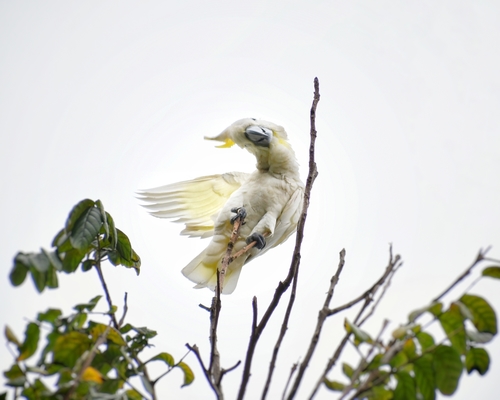 Yellow-crested Cockatoo
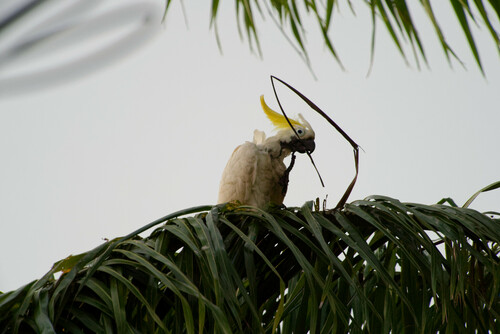 Sulphur-crested Cockatoo
In breve
Il segno distintivo più affidabile per separare il Yellow-crested Cockatoo dal Sulphur-crested Cockatoo è la dimensione: il Yellow-crested è nettamente più piccolo, con un corpo visibilmente più corto e un becco proporzionalmente più piccolo. Sul campo, cerca anche il colore e la forma della cresta: il Yellow-crested mostra una cresta di un giallo più brillante che tende all'arancione, più snella e appuntita, mentre il Sulphur-crested ha una cresta più grande, più larga e di un giallo più pallido. La pelle nuda attorno all'occhio è bianco-bluastro nel Yellow-crested ma biancastra nel Sulphur-crested. Entrambi sono principalmente bianchi, ma il Sulphur-crested è più robusto e spesso mostra sfumature gialle sotto le ali e la coda. L'areale è un indizio forte: il Sulphur-crested è diffuso e comune in Australia e Nuova Guinea, mentre il Yellow-crested è limitato a parti dell'Indonesia e Timor Est.
Consigli di identificazione
- La dimensione è il separatore più veloce: il Sulphur-crested è molto più grande (44–55 cm) rispetto al Yellow-crested (circa 34 cm). Se hai un senso della scala, questo è spesso diagnostico.
- Colore e forma della cresta: il Yellow-crested ha una cresta snella, appuntita, di un giallo più brillante che tende all'arancione; la cresta del Sulphur-crested è più grande, più larga e di un giallo più pallido. La forma della cresta è meglio visibile quando è sollevata.
- Pelle nuda facciale: cerca la pelle nuda bianco-bluastra attorno all'occhio nel Yellow-crested; il Sulphur-crested mostra un anello oculare biancastro.
- Colore delle guance: il Yellow-crested mostra spesso un giallo pallido sulle guance, una caratteristica di solito assente nel Sulphur-crested (anche se fai attenzione a rare macchie giallastre in alcuni individui di Sulphur-crested).
- Colore sotto le ali e la coda: il Sulphur-crested mostra spesso sfumature gialle sotto le ali e la coda, visibili in volo o quando le ali sono spiegate; il Yellow-crested è meno marcato sotto.
- Dimensione e forma del becco: il Sulphur-crested ha un becco proporzionalmente più grande e pesante, contribuendo a un profilo della testa più robusto. Il becco del Yellow-crested è più piccolo e meno profondo.
- Costruzione generale: il Sulphur-crested è più robusto e ha una coda più lunga; il Yellow-crested appare più compatto e leggero.
- Colore degli occhi (adulti): i maschi del Sulphur-crested di solito hanno occhi scuri, le femmine più rossi o marroni, ma questo è sottile e visibile solo da vicino in buona luce. I sessi del Yellow-crested sono simili e questo non è un segno utile sul campo.
- Dimensione del gruppo e comportamento: grandi e rumorosi stormi sono tipici del Sulphur-crested, specialmente in aree aperte o urbane. Il Yellow-crested è più spesso visto in coppie o piccoli gruppi.
- Areale e contesto: in Australia e Nuova Guinea, il Sulphur-crested è il default; il Yellow-crested non si verifica. Nelle Piccole Isole della Sonda, Sulawesi, o Timor Est, il Yellow-crested è possibile ma raro: il Sulphur-crested è assente o scarso.
- Voce: il richiamo del Sulphur-crested è molto più forte e aspro; il Yellow-crested è ancora rumoroso ma meno assordante.
- Habitat: il Sulphur-crested si adatta facilmente alle aree urbane ed è spesso visto nelle città; il Yellow-crested è più limitato a zone rurali boschive e coltivate.
- Confusione del piumaggio: entrambi sono bianchi con creste gialle, ma fai attenzione agli uccelli in cattività o ibridi, che possono mostrare caratteristiche intermedie. Usa sempre una combinazione di segni.
- Uccelli giovanili/immaturi: non sono descritti segni distintivi delle ali superiori o segni di volo specifici per età per nessuna delle due specie, quindi fai affidamento su dimensione, cresta e pelle facciale.
- Trappole: alcuni Sulphur-crested Cockatoos possono mostrare deboli macchie giallastre sulle guance, ma queste non sono mai così forti o di tonalità arancione come nel Yellow-crested. Controlla sempre più caratteristiche.
Taglia
Il Yellow-crested Cockatoo è di dimensioni medie, lungo circa 34 cm [wikipedia], rendendolo molto più piccolo del Sulphur-crested Cockatoo, che varia da 44 a 55 cm di lunghezza [wikipedia]. Questa differenza di dimensioni è ovvia in un confronto diretto o con esperienza. Il Sulphur-crested appare anche più robusto, con un becco più pesante e una coda più lunga. Se visti insieme, il Sulphur-crested sovrasta il Yellow-crested. La dimensione del becco è proporzionalmente più grande nel Sulphur-crested, contribuendo a un aspetto più robusto.
Piumaggio
Entrambe le specie sono prevalentemente bianche, ma le differenze sottili sono fondamentali. Il Yellow-crested Cockatoo ha una cresta retrattile di un giallo più brillante che tende all'arancione (a volte quasi arancione in alcune sottospecie), e la pelle nuda attorno all'occhio è bianco-bluastra. Il Sulphur-crested Cockatoo ha una cresta più grande, più larga e di un giallo più pallido e un anello oculare biancastro. Le piume sotto le ali e la coda nel Sulphur-crested sono tinte di giallo, che possono essere visibili in volo o su uccelli in posa con le ali spiegate; questo è meno marcato o assente nel Yellow-crested. Il colore delle guance è un altro indizio: il Yellow-crested mostra spesso un giallo pallido sulle guance, che è tipicamente assente nel Sulphur-crested (anche se alcuni individui possono sviluppare deboli macchie giallastre). Entrambi hanno gambe grigie e becchi neri. Non sono descritte differenze specifiche per età nel pattern delle ali superiori nelle fonti per nessuna delle due specie, quindi concentrati su cresta, faccia e dimensione.
Comportamento
I Sulphur-crested Cockatoos sono altamente gregari, spesso formando grandi e rumorosi stormi, specialmente in aree urbane o boschive aperte. Sono audaci, adattabili e frequentemente visti nutrirsi a terra o sugli alberi, a volte considerati parassiti a causa della loro abbondanza e adattabilità. I Yellow-crested Cockatoos sono meno numerosi e più localizzati, tipicamente visti in gruppi più piccoli o coppie. Entrambe le specie sono intelligenti e curiose, ma il Sulphur-crested è particolarmente noto per il suo comportamento risolutivo (ad esempio, aprendo i bidoni nelle città).
Habitat
Il Sulphur-crested Cockatoo è diffuso in Australia, Nuova Guinea e isole vicine, prosperando in una varietà di habitat boschivi, inclusi parchi e giardini urbani, e può essere molto numeroso. Il Yellow-crested Cockatoo è limitato a zone boschive e coltivate in Timor Est e nelle Isole Sulawesi e Piccole Isole della Sonda dell'Indonesia, con una popolazione molto più piccola e in declino. Se ti trovi in Australia o Nuova Guinea, stai quasi certamente vedendo un Sulphur-crested; nelle Piccole Isole della Sonda o a Sulawesi, il Yellow-crested è possibile ma raro.
Voce
I Sulphur-crested Cockatoos sono famosi per i loro screech estremamente forti e rauchi, che si sentono a lunghe distanze e spesso vengono uditi prima che gli uccelli siano visti. Anche i Yellow-crested Cockatoos chiamano ad alta voce, ma la loro voce è generalmente descritta come meno aspra e non così assordante come quella del Sulphur-crested. In pratica, entrambi possono essere rumorosi, ma il volume e l'asprezza del Sulphur-crested sono distintivi.
Yellow-crested Cockatoo · Sulphur-crested Cockatoo · I miei uccelli difficili