

Motmot

White-spectacled Warbler vs Bianchi's Warbler

Phylloscopus intermedius versus Phylloscopus valentini

Play a quiz with White-spectacled Warbler and Bianchi's Warbler
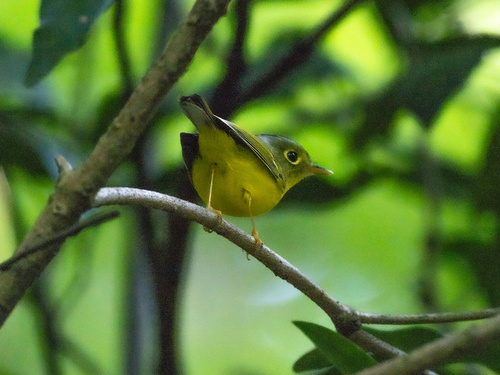
White-spectacled Warbler (Phylloscopus intermedius) White-spectacled Warbler
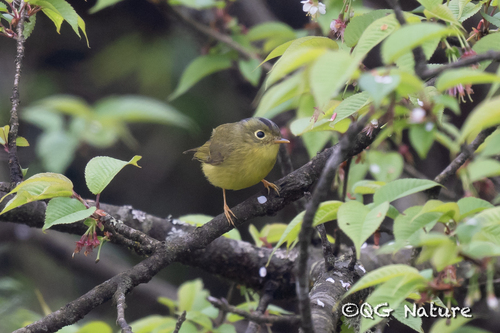
Bianchi's Warbler (Phylloscopus valentini) Bianchi's Warbler

Media

Loading…

In short

Separating White-spectacled Warbler from Bianchi's Warbler in the field is challenging due to their similar overall structure and plumage, especially in adult birds. The most reliable differences are likely to be subtle and may not be apparent in brief or distant views. Both species are small leaf warblers with overlapping ranges in Southeast Asia, and neither has a well-documented, distinctive juvenile or immature wing pattern to aid quick separation. Instead, focus on range, habitat, and any subtle differences in facial markings or structure if seen well. Be aware that these two are easily confused, and field marks may be unreliable without close, prolonged views.

Identification tips

  1. Facial pattern: If seen well, look for a more prominent pale eyering or 'spectacles' in White-spectacled Warbler (Phylloscopus intermedius). This is suggested by the common name but is not described in detail in the sources; use with caution and only at close range.
  2. Range: In the eastern Himalayas, White-spectacled Warbler is the likely candidate. In Laos and Myanmar, Bianchi's Warbler is more probable. In China and Vietnam, both may occur, so do not rely on range alone.
  3. Habitat: Both species prefer moist lowland and montane forests. Habitat is not a reliable separator except at the extremes of their ranges.
  4. Size and structure: Both are typical small Phylloscopus warblers, with no documented differences in size, bill shape, or wing formula. Do not use size or structure for separation.
  5. Juvenile/immature plumage: No distinctive age-specific upperwing or flight marks are documented for either species. Do not rely on wing pattern in flight or perched for separation.
  6. Behavior: Both are active, restless foragers in forested habitats. Behavior is not a separator.
  7. Voice: No vocal differences are documented in the available sources. Do not use song or call for separation unless you have reliable local knowledge.
  8. Sex and season: No sexual dimorphism or seasonal plumage variation is documented that would aid separation.
  9. Pitfalls: Both species are easily confused, especially in overlapping range. Subtle facial pattern differences may be unreliable in poor light, at distance, or on moving birds.
  10. Best practice: In areas of overlap, use a combination of range, habitat, and any visible facial pattern differences, but accept that some individuals may not be safely identified in the field without further documentation.

Size

No direct size differences are documented between White-spectacled and Bianchi's Warblers in the available sources. Both are typical small Phylloscopus warblers, and size is not a reliable field mark for separating them in the field.

Plumage

There are no clearly documented, age-specific upperwing or flight pattern differences between these two species in the available sources. Both species are typical leaf warblers with greenish or olive upperparts and paler underparts. The 'white-spectacled' name suggests a more prominent pale eyering or 'spectacles' in Phylloscopus intermedius, which may be a subtle field mark if seen well, but this is not detailed in the sources for all ages or plumages. No distinctive juvenile or first-winter wing patterns (such as dark triangles, black W, or contrasting panels) are described for either species. Therefore, plumage separation relies on subtle facial pattern differences, which may be difficult to discern in the field, especially in immature birds or poor light.

Behaviour

Both species are typical of the Phylloscopus genus, likely to be active, restless foragers in forested habitats. There are no documented behavioral differences in the available sources that would reliably separate these two species in the field.

Habitat

White-spectacled Warbler is found from the eastern Himalayas to southeastern China and southern Vietnam, favoring subtropical or tropical moist lowland and montane forests. Bianchi's Warbler occurs in China, Laos, Myanmar, and Vietnam, with similar general habitat preferences. While their ranges overlap in parts of China and Vietnam, White-spectacled Warbler extends further west into the Himalayas. If you are birding in the eastern Himalayas, White-spectacled Warbler is more likely; in Laos and Myanmar, Bianchi's Warbler is the expected species. However, in overlapping areas, habitat alone is not diagnostic.

Submit a better description

Use the same sections as the comparison. Your text is published immediately.

Separating White-spectacled Warbler from Bianchi's Warbler in the field is challenging due to their similar overall structure and plumage, especially in adult birds. The most reliable differences are likely to be subtle and may not be apparent in brief or distant views. Both species are small leaf warblers with overlapping ranges in Southeast Asia, and neither has a well-documented, distinctive juvenile or immature wing pattern to aid quick separation. Instead, focus on range, habitat, and any subtle differences in facial markings or structure if seen well. Be aware that these two are easily confused, and field marks may be unreliable without close, prolonged views.

  1. Facial pattern: If seen well, look for a more prominent pale eyering or 'spectacles' in White-spectacled Warbler (Phylloscopus intermedius). This is suggested by the common name but is not described in detail in the sources; use with caution and only at close range.
  2. Range: In the eastern Himalayas, White-spectacled Warbler is the likely candidate. In Laos and Myanmar, Bianchi's Warbler is more probable. In China and Vietnam, both may occur, so do not rely on range alone.
  3. Habitat: Both species prefer moist lowland and montane forests. Habitat is not a reliable separator except at the extremes of their ranges.
  4. Size and structure: Both are typical small Phylloscopus warblers, with no documented differences in size, bill shape, or wing formula. Do not use size or structure for separation.
  5. Juvenile/immature plumage: No distinctive age-specific upperwing or flight marks are documented for either species. Do not rely on wing pattern in flight or perched for separation.
  6. Behavior: Both are active, restless foragers in forested habitats. Behavior is not a separator.
  7. Voice: No vocal differences are documented in the available sources. Do not use song or call for separation unless you have reliable local knowledge.
  8. Sex and season: No sexual dimorphism or seasonal plumage variation is documented that would aid separation.
  9. Pitfalls: Both species are easily confused, especially in overlapping range. Subtle facial pattern differences may be unreliable in poor light, at distance, or on moving birds.
  10. Best practice: In areas of overlap, use a combination of range, habitat, and any visible facial pattern differences, but accept that some individuals may not be safely identified in the field without further documentation.

No direct size differences are documented between White-spectacled and Bianchi's Warblers in the available sources. Both are typical small Phylloscopus warblers, and size is not a reliable field mark for separating them in the field.

There are no clearly documented, age-specific upperwing or flight pattern differences between these two species in the available sources. Both species are typical leaf warblers with greenish or olive upperparts and paler underparts. The 'white-spectacled' name suggests a more prominent pale eyering or 'spectacles' in Phylloscopus intermedius, which may be a subtle field mark if seen well, but this is not detailed in the sources for all ages or plumages. No distinctive juvenile or first-winter wing patterns (such as dark triangles, black W, or contrasting panels) are described for either species. Therefore, plumage separation relies on subtle facial pattern differences, which may be difficult to discern in the field, especially in immature birds or poor light.

Both species are typical of the Phylloscopus genus, likely to be active, restless foragers in forested habitats. There are no documented behavioral differences in the available sources that would reliably separate these two species in the field.

White-spectacled Warbler is found from the eastern Himalayas to southeastern China and southern Vietnam, favoring subtropical or tropical moist lowland and montane forests. Bianchi's Warbler occurs in China, Laos, Myanmar, and Vietnam, with similar general habitat preferences. While their ranges overlap in parts of China and Vietnam, White-spectacled Warbler extends further west into the Himalayas. If you are birding in the eastern Himalayas, White-spectacled Warbler is more likely; in Laos and Myanmar, Bianchi's Warbler is the expected species. However, in overlapping areas, habitat alone is not diagnostic.

Discard your changes?

You have unsaved edits. If you leave now, those changes will be lost.

White-spectacled Warbler · Bianchi's Warbler · My Tricky Birds