

white-spectacled warbler vs bianchi's warbler
Phylloscopus intermedius versus Phylloscopus valentini
Jogue um quiz com white-spectacled warbler e bianchi's warbler
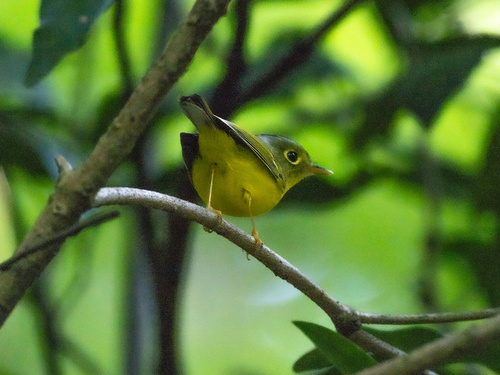 white-spectacled warbler
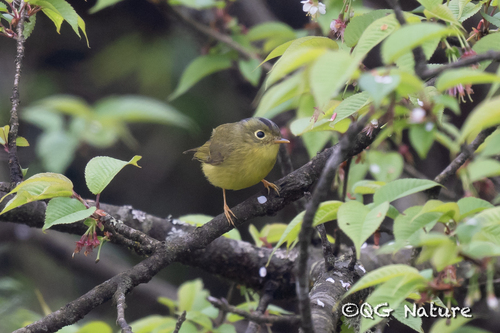 bianchi's warbler
Em resumo
Separar o white-spectacled warbler do bianchi's warbler em campo é desafiador devido à sua estrutura e plumagem geral semelhantes, especialmente em aves adultas. As diferenças mais confiáveis provavelmente serão sutis e podem não ser aparentes em vistas breves ou distantes. Ambas as espécies são pequenos warblers de folhas com faixas sobrepostas no Sudeste Asiático, e nenhuma delas tem um padrão de asa juvenil ou imaturo bem documentado e distinto para ajudar na separação rápida. Em vez disso, concentre-se na faixa, habitat e quaisquer diferenças sutis nas marcas faciais ou estrutura, se vistas bem. Esteja ciente de que essas duas são facilmente confundidas, e as marcas de campo podem ser pouco confiáveis sem vistas próximas e prolongadas.
Dicas de identificação
- Padrão facial: Se visto bem, procure um anel ocular pálido mais proeminente ou 'óculos' no white-spectacled warbler (Phylloscopus intermedius). Isso é sugerido pelo nome comum, mas não é descrito em detalhes nas fontes; use com cautela e apenas a curta distância.
- Faixa: Nos Himalaias orientais, o white-spectacled warbler é o candidato mais provável. Em Laos e Myanmar, o bianchi's warbler é mais provável. Na China e no Vietnã, ambos podem ocorrer, então não confie apenas na faixa.
- Habitat: Ambas as espécies preferem florestas úmidas de planície e montanha. O habitat não é um separador confiável, exceto nos extremos de suas faixas.
- Tamanho e estrutura: Ambas são típicos pequenos warblers Phylloscopus, sem diferenças documentadas em tamanho, forma do bico ou fórmula da asa. Não use tamanho ou estrutura para separação.
- Plumagem juvenil/imatura: Nenhum padrão de asa ou marcas de voo específicas de idade são documentadas para qualquer uma das espécies. Não confie no padrão de asa em voo ou empoleirado para separação.
- Comportamento: Ambas são forrageadoras ativas e inquietas em habitats florestais. O comportamento não é um separador.
- Voz: Nenhuma diferença vocal é documentada nas fontes disponíveis. Não use canção ou chamado para separação, a menos que você tenha conhecimento local confiável.
- Sexo e estação: Nenhum dimorfismo sexual ou variação de plumagem sazonal é documentado que ajude na separação.
- Armadilhas: Ambas as espécies são facilmente confundidas, especialmente em faixas sobrepostas. Diferenças sutis no padrão facial podem ser pouco confiáveis em luz fraca, à distância ou em aves em movimento.
- Melhor prática: Em áreas de sobreposição, use uma combinação de faixa, habitat e quaisquer diferenças visíveis no padrão facial, mas aceite que alguns indivíduos podem não ser identificados com segurança em campo sem documentação adicional.
Tamanho
Nenhuma diferença de tamanho direta é documentada entre o white-spectacled e o bianchi's warblers nas fontes disponíveis. Ambas são típicos pequenos warblers Phylloscopus, e o tamanho não é uma marca de campo confiável para separá-los em campo.
Plumagem
Não há diferenças claramente documentadas, específicas de idade, no padrão de asa ou de voo entre essas duas espécies nas fontes disponíveis. Ambas as espécies são típicos warblers de folhas com partes superiores esverdeadas ou oliva e partes inferiores mais claras. O nome 'white-spectacled' sugere um anel ocular pálido mais proeminente ou 'óculos' em Phylloscopus intermedius, que pode ser uma marca de campo sutil se visto bem, mas isso não é detalhado nas fontes para todas as idades ou plumagens. Nenhum padrão de asa juvenil ou de primeiro inverno distinto (como triângulos escuros, W preto ou painéis contrastantes) é descrito para qualquer uma das espécies. Portanto, a separação de plumagem depende de diferenças sutis no padrão facial, que podem ser difíceis de discernir em campo, especialmente em aves imaturas ou em luz fraca.
Comportamento
Ambas as espécies são típicas do gênero Phylloscopus, provavelmente ativas e inquietas forrageadoras em habitats florestais. Não há diferenças comportamentais documentadas nas fontes disponíveis que separariam essas duas espécies de forma confiável em campo.
Habitat
O white-spectacled warbler é encontrado desde os Himalaias orientais até o sudeste da China e o sul do Vietnã, favorecendo florestas úmidas subtropicais ou tropicais de planície e montanha. O bianchi's warbler ocorre na China, Laos, Myanmar e Vietnã, com preferências gerais de habitat semelhantes. Embora suas faixas se sobreponham em partes da China e do Vietnã, o white-spectacled warbler se estende mais para o oeste nos Himalaias. Se você estiver observando aves nos Himalaias orientais, o white-spectacled warbler é mais provável; em Laos e Myanmar, o bianchi's warbler é a espécie esperada. No entanto, em áreas de sobreposição, o habitat sozinho não é diagnóstico.
white-spectacled warbler · bianchi's warbler · Minhas aves difíceis