

Motmot

メジロモリムシクイ 対 インドシナモリムシクイ

Phylloscopus intermedius 対 Phylloscopus valentini

メジロモリムシクイとインドシナモリムシクイのクイズ
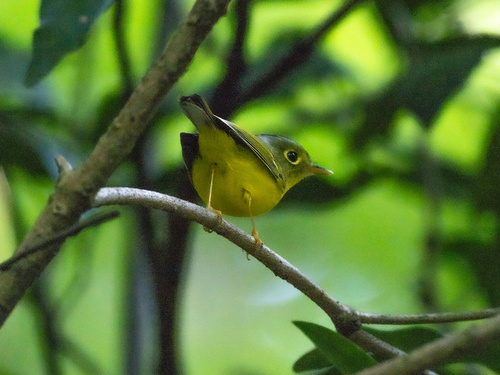
メジロモリムシクイ (Phylloscopus intermedius) メジロモリムシクイ
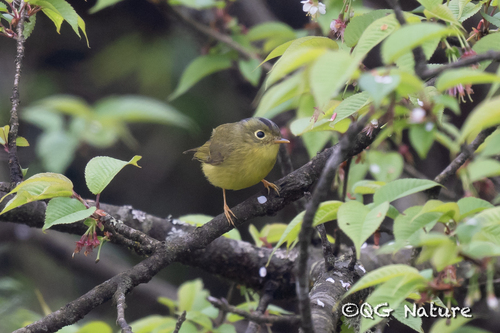
インドシナモリムシクイ (Phylloscopus valentini) インドシナモリムシクイ

メディア

読み込み中…

要点

ホワイトスペクタクルモリムシクイとビアンキモリムシクイをフィールドで区別するのは、特に成鳥において、全体的な構造と羽色が似ているため難しいです。最も信頼できる違いは微妙であり、短時間や遠くからの観察では明らかでないかもしれません。両種は東南アジアで重複する範囲を持つ小型の葉モリムシクイであり、迅速な区別を助けるための明確に文書化された特徴的な幼鳥や未成熟の翼のパターンはありません。代わりに、範囲、生息地、および顔のマーキングや構造の微妙な違いに注目してください。これらの2種は混同されやすいことを認識し、近くで長時間観察しない限り、フィールドマークは信頼できない場合があります。

識別のコツ

  1. 顔のパターン: よく見える場合は、ホワイトスペクタクルモリムシクイ (Phylloscopus intermedius) のより目立つ淡いアイリングや「メガネ」を探してください。これは一般名から示唆されますが、詳細には記載されていないため、注意して使用し、近距離でのみ使用してください。
  2. 範囲: 東ヒマラヤでは、ホワイトスペクタクルモリムシクイが候補となります。ラオスとミャンマーでは、ビアンキモリムシクイがより可能性があります。中国とベトナムでは、両方が発生する可能性があるため、範囲だけに頼らないでください。
  3. 生息地: 両種は湿った低地および山地の森林を好みます。生息地は、範囲の極端な部分を除いて、信頼できる区別要因ではありません。
  4. サイズと構造: 両方とも典型的な小型のPhylloscopusモリムシクイであり、サイズ、くちばしの形、または翼のフォーミュラに関する文書化された違いはありません。サイズや構造を区別に使用しないでください。
  5. 幼鳥/未成熟の羽色: どちらの種にも、特徴的な年齢特有の上翼や飛行マークは文書化されていません。飛行中や止まっているときの翼のパターンに頼らないでください。
  6. 行動: 両種は森林生息地で活発で落ち着きのない採餌者です。行動は区別要因ではありません。
  7. 声: 利用可能な情報源には、音声の違いは文書化されていません。信頼できる地域の知識がない限り、歌や鳴き声を区別に使用しないでください。
  8. 性別と季節: 区別を助けるための性的二形性や季節的な羽色の変化は文書化されていません。
  9. 落とし穴: 両種は特に重複する範囲で混同されやすいです。微妙な顔のパターンの違いは、悪い光、距離、または動いている鳥では信頼できない場合があります。
  10. 最良の実践: 重複する地域では、範囲、生息地、および目に見える顔のパターンの違いの組み合わせを使用しますが、一部の個体はさらなる文書化なしにフィールドで安全に識別できない可能性があることを受け入れてください。

大きさ

利用可能な情報源には、ホワイトスペクタクルモリムシクイとビアンキモリムシクイの間に直接的なサイズの違いは文書化されていません。両方とも典型的な小型のPhylloscopusモリムシクイであり、サイズはフィールドでの区別に信頼できるマークではありません。

羽色

利用可能な情報源には、これら2種の間に明確に文書化された年齢特有の上翼や飛行パターンの違いはありません。両種は緑がかったまたはオリーブ色の上面と淡い下面を持つ典型的な葉モリムシクイです。「ホワイトスペクタクル」という名前は、Phylloscopus intermediusにおいてより目立つ淡いアイリングや「メガネ」を示唆しています。これはよく見えれば微妙なフィールドマークかもしれませんが、すべての年齢や羽色に関しては情報源に詳細がありません。どちらの種にも特徴的な幼鳥や初冬の翼のパターン(暗い三角形、黒いW、または対照的なパネルなど)は記載されていません。したがって、羽色の区別は微妙な顔のパターンの違いに依存しており、特に未熟な鳥や悪い光の中ではフィールドで識別するのが難しい場合があります。

行動

両種はPhylloscopus属の典型であり、森林生息地で活発で落ち着きのない採餌者である可能性が高いです。利用可能な情報源には、フィールドでこれら2種を信頼できるように区別するための行動の違いは文書化されていません。

生息環境

ホワイトスペクタクルモリムシクイは、東ヒマラヤから南東中国および南ベトナムまで見られ、亜熱帯または熱帯の湿った低地および山地の森林を好みます。ビアンキモリムシクイは中国、ラオス、ミャンマー、ベトナムに生息し、同様の一般的な生息地の好みを持っています。中国とベトナムの一部で範囲が重複していますが、ホワイトスペクタクルモリムシクイはヒマラヤにさらに西に広がっています。東ヒマラヤでバードウォッチングをしている場合、ホワイトスペクタクルモリムシクイの可能性が高く、ラオスとミャンマーではビアンキモリムシクイが期待される種です。しかし、重複する地域では、生息地だけでは診断的ではありません。

より良い説明を送る

比較と同じ項目を使ってください。文章はすぐに公開されます。

Separating White-spectacled Warbler from Bianchi's Warbler in the field is challenging due to their similar overall structure and plumage, especially in adult birds. The most reliable differences are likely to be subtle and may not be apparent in brief or distant views. Both species are small leaf warblers with overlapping ranges in Southeast Asia, and neither has a well-documented, distinctive juvenile or immature wing pattern to aid quick separation. Instead, focus on range, habitat, and any subtle differences in facial markings or structure if seen well. Be aware that these two are easily confused, and field marks may be unreliable without close, prolonged views.

  1. Facial pattern: If seen well, look for a more prominent pale eyering or 'spectacles' in White-spectacled Warbler (Phylloscopus intermedius). This is suggested by the common name but is not described in detail in the sources; use with caution and only at close range.
  2. Range: In the eastern Himalayas, White-spectacled Warbler is the likely candidate. In Laos and Myanmar, Bianchi's Warbler is more probable. In China and Vietnam, both may occur, so do not rely on range alone.
  3. Habitat: Both species prefer moist lowland and montane forests. Habitat is not a reliable separator except at the extremes of their ranges.
  4. Size and structure: Both are typical small Phylloscopus warblers, with no documented differences in size, bill shape, or wing formula. Do not use size or structure for separation.
  5. Juvenile/immature plumage: No distinctive age-specific upperwing or flight marks are documented for either species. Do not rely on wing pattern in flight or perched for separation.
  6. Behavior: Both are active, restless foragers in forested habitats. Behavior is not a separator.
  7. Voice: No vocal differences are documented in the available sources. Do not use song or call for separation unless you have reliable local knowledge.
  8. Sex and season: No sexual dimorphism or seasonal plumage variation is documented that would aid separation.
  9. Pitfalls: Both species are easily confused, especially in overlapping range. Subtle facial pattern differences may be unreliable in poor light, at distance, or on moving birds.
  10. Best practice: In areas of overlap, use a combination of range, habitat, and any visible facial pattern differences, but accept that some individuals may not be safely identified in the field without further documentation.

No direct size differences are documented between White-spectacled and Bianchi's Warblers in the available sources. Both are typical small Phylloscopus warblers, and size is not a reliable field mark for separating them in the field.

There are no clearly documented, age-specific upperwing or flight pattern differences between these two species in the available sources. Both species are typical leaf warblers with greenish or olive upperparts and paler underparts. The 'white-spectacled' name suggests a more prominent pale eyering or 'spectacles' in Phylloscopus intermedius, which may be a subtle field mark if seen well, but this is not detailed in the sources for all ages or plumages. No distinctive juvenile or first-winter wing patterns (such as dark triangles, black W, or contrasting panels) are described for either species. Therefore, plumage separation relies on subtle facial pattern differences, which may be difficult to discern in the field, especially in immature birds or poor light.

Both species are typical of the Phylloscopus genus, likely to be active, restless foragers in forested habitats. There are no documented behavioral differences in the available sources that would reliably separate these two species in the field.

White-spectacled Warbler is found from the eastern Himalayas to southeastern China and southern Vietnam, favoring subtropical or tropical moist lowland and montane forests. Bianchi's Warbler occurs in China, Laos, Myanmar, and Vietnam, with similar general habitat preferences. While their ranges overlap in parts of China and Vietnam, White-spectacled Warbler extends further west into the Himalayas. If you are birding in the eastern Himalayas, White-spectacled Warbler is more likely; in Laos and Myanmar, Bianchi's Warbler is the expected species. However, in overlapping areas, habitat alone is not diagnostic.

変更を破棄しますか?

保存していない編集があります。今離れると失われます。

メジロモリムシクイ · インドシナモリムシクイ · 苦手な鳥