

Motmot

White-bellied Mountain-gem vs Purple-throated Mountain-gem

Lampornis hemileucus versus Lampornis calolaemus

Play a quiz with White-bellied Mountain-gem and Purple-throated Mountain-gem
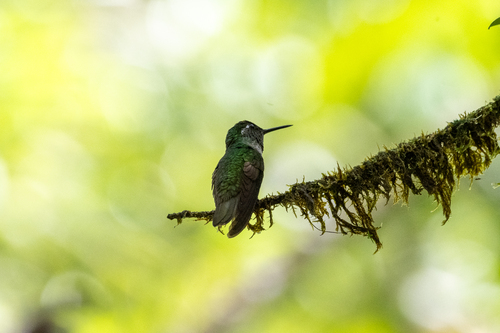
White-bellied Mountain-gem (Lampornis hemileucus) White-bellied Mountain-gem
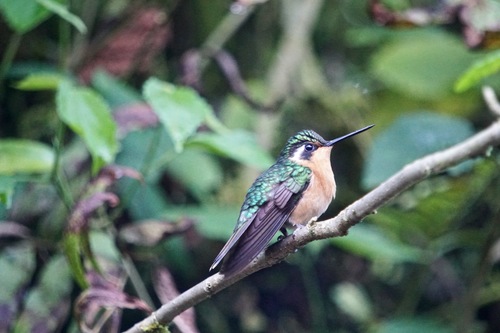
Purple-throated Mountain-gem (Lampornis calolaemus) Purple-throated Mountain-gem

Media

Loading…

In short

The most reliable way to separate White-bellied Mountain-gem from Purple-throated Mountain-gem is by the color and pattern of the underparts and throat, especially in adult males: White-bellied males have a white belly and a blue-violet gorget, while Purple-throated males show a metallic green breast and belly with a purple or violet gorget. Females are trickier, but White-bellied has a white throat and belly with green speckling, while Purple-throated females are tawny-yellow below. Both species have a white stripe behind the eye and similar size and structure, so focus on underpart color and tail pattern for the best field separation. Immatures and females can be confused, but undertail and belly coloration remain helpful. Range overlaps in Costa Rica and Panama, so plumage is more reliable than location.

Identification tips

  1. Adult male gorget color: White-bellied shows a blue-violet gorget; Purple-throated has a metallic violet or purple gorget. This is the most reliable mark for males.
  2. Underparts (males): White-bellied males have a white belly with green speckles on the sides; Purple-throated males have a metallic green breast and a bronzy green or grayish belly.
  3. Underparts (females): White-bellied females are white below with green speckles; Purple-throated females are tawny yellow to buff below, with dull white to tawny buff undertail coverts.
  4. Throat (females): White-bellied females have a white throat with green speckles; Purple-throated females have a tawny yellow throat.
  5. Face pattern (females): Purple-throated females have a mostly blackish face, while White-bellied females are less contrasting, with a long white post-ocular stripe in both species.
  6. Tail pattern (females): White-bellied has a bronzy tail with dusky gray bands on the outer feathers; Purple-throated females have central tail feathers dull metallic green or bronze-green, with the lower half of outer tail feathers mostly black and pale gray tips.
  7. Juvenile/immature marks: Juvenile White-bellied birds have rusty fringes on green feathers and dull bronze gorgets (males); Purple-throated immature males resemble adult females but with a dusky chin and throat and brownish gray undertail coverts.
  8. Upperparts (males): White-bellied males have a glittering green face and crown; Purple-throated males have a glittering emerald or bluish green forehead and crown, with more extensive metallic green on the breast.
  9. Bill: Both species have a medium-length straight black bill; bill shape is not a separator.
  10. Feet color: White-bellied has pinkish feet, but this is rarely visible in the field.
  11. Range: Both species overlap in Costa Rica and Panama; do not rely on location alone.
  12. Size: Both are similar in size and weight; size is not a useful field mark.
  13. Behavior: Both are territorial, but Purple-throated males may be more aggressive at flower patches. Not a primary field mark.
  14. Subspecies variation (Purple-throated): Some subspecies of Purple-throated have darker green or more purple gorgets, but the main field marks above remain reliable.
  15. Pitfall: Immature and female Purple-throated can be confused with White-bellied, but the tawny or buff underparts and undertail coverts of Purple-throated are key. Always check belly and undertail color, not just throat or face.

Size

Both species are similar in length (about 10–11 cm) and mass (White-bellied: ~5.7 g; Purple-throated: 4.5–6 g). There is no consistent structural difference in bill length or body shape noted between them, and both have medium-length straight black bills. Size alone is not a reliable field mark for separating these two mountain-gems.

Plumage

For adult males, White-bellied Mountain-gem shows a glittering green face and crown, bronzy green upperparts, a blue-violet gorget, and a white belly with green speckles along the sides. The tail is bronzy with dusky gray bands near the end. In contrast, Purple-throated males have a glittering emerald or bluish green forehead and crown, metallic bronze-green upperparts, a metallic violet or purple gorget, and a bright metallic green breast with flanks and belly tending bronzy green or gray; the tail is dull blue-black. Adult females of White-bellied have a white throat and belly with green speckles, while Purple-throated females are tawny yellow below with dull white to tawny buff undertail coverts and a mostly blackish face. Immature males of Purple-throated resemble adult females but have a dusky chin and throat and brownish gray undertail coverts. Juvenile White-bellied birds have rusty fringes on the green feathers and dull bronze gorgets in males. Tail pattern is also useful: White-bellied's tail is bronzy with dusky gray bands, while Purple-throated's is dull blue-black or metallic green/bronze with pale gray tips on the outer feathers (females).

Behaviour

Both species feed mainly on nectar and are territorial, especially males. Purple-throated males are known to defend flower patches aggressively, while females feed more by trap-lining. Both species also take insects, but Purple-throated females hover-glean and beat their wings against foliage to flush prey. These behavioral differences are subtle and not easily observed in the field unless watching for extended periods.

Habitat

Both species occur in Costa Rica and Panama, with Purple-throated also found in Nicaragua. Their ranges overlap in the highlands of Costa Rica and western Panama. Habitat preference is not a reliable separator in the overlap zone, as both are found in similar montane forest habitats. Local abundance may vary, but this is not diagnostic for field identification.

Submit a better description

Use the same sections as the comparison. Your text is published immediately.

The most reliable way to separate White-bellied Mountain-gem from Purple-throated Mountain-gem is by the color and pattern of the underparts and throat, especially in adult males: White-bellied males have a white belly and a blue-violet gorget, while Purple-throated males show a metallic green breast and belly with a purple or violet gorget. Females are trickier, but White-bellied has a white throat and belly with green speckling, while Purple-throated females are tawny-yellow below. Both species have a white stripe behind the eye and similar size and structure, so focus on underpart color and tail pattern for the best field separation. Immatures and females can be confused, but undertail and belly coloration remain helpful. Range overlaps in Costa Rica and Panama, so plumage is more reliable than location.

  1. Adult male gorget color: White-bellied shows a blue-violet gorget; Purple-throated has a metallic violet or purple gorget. This is the most reliable mark for males.
  2. Underparts (males): White-bellied males have a white belly with green speckles on the sides; Purple-throated males have a metallic green breast and a bronzy green or grayish belly.
  3. Underparts (females): White-bellied females are white below with green speckles; Purple-throated females are tawny yellow to buff below, with dull white to tawny buff undertail coverts.
  4. Throat (females): White-bellied females have a white throat with green speckles; Purple-throated females have a tawny yellow throat.
  5. Face pattern (females): Purple-throated females have a mostly blackish face, while White-bellied females are less contrasting, with a long white post-ocular stripe in both species.
  6. Tail pattern (females): White-bellied has a bronzy tail with dusky gray bands on the outer feathers; Purple-throated females have central tail feathers dull metallic green or bronze-green, with the lower half of outer tail feathers mostly black and pale gray tips.
  7. Juvenile/immature marks: Juvenile White-bellied birds have rusty fringes on green feathers and dull bronze gorgets (males); Purple-throated immature males resemble adult females but with a dusky chin and throat and brownish gray undertail coverts.
  8. Upperparts (males): White-bellied males have a glittering green face and crown; Purple-throated males have a glittering emerald or bluish green forehead and crown, with more extensive metallic green on the breast.
  9. Bill: Both species have a medium-length straight black bill; bill shape is not a separator.
  10. Feet color: White-bellied has pinkish feet, but this is rarely visible in the field.
  11. Range: Both species overlap in Costa Rica and Panama; do not rely on location alone.
  12. Size: Both are similar in size and weight; size is not a useful field mark.
  13. Behavior: Both are territorial, but Purple-throated males may be more aggressive at flower patches. Not a primary field mark.
  14. Subspecies variation (Purple-throated): Some subspecies of Purple-throated have darker green or more purple gorgets, but the main field marks above remain reliable.
  15. Pitfall: Immature and female Purple-throated can be confused with White-bellied, but the tawny or buff underparts and undertail coverts of Purple-throated are key. Always check belly and undertail color, not just throat or face.

Both species are similar in length (about 10–11 cm) and mass (White-bellied: ~5.7 g; Purple-throated: 4.5–6 g). There is no consistent structural difference in bill length or body shape noted between them, and both have medium-length straight black bills. Size alone is not a reliable field mark for separating these two mountain-gems.

For adult males, White-bellied Mountain-gem shows a glittering green face and crown, bronzy green upperparts, a blue-violet gorget, and a white belly with green speckles along the sides. The tail is bronzy with dusky gray bands near the end. In contrast, Purple-throated males have a glittering emerald or bluish green forehead and crown, metallic bronze-green upperparts, a metallic violet or purple gorget, and a bright metallic green breast with flanks and belly tending bronzy green or gray; the tail is dull blue-black. Adult females of White-bellied have a white throat and belly with green speckles, while Purple-throated females are tawny yellow below with dull white to tawny buff undertail coverts and a mostly blackish face. Immature males of Purple-throated resemble adult females but have a dusky chin and throat and brownish gray undertail coverts. Juvenile White-bellied birds have rusty fringes on the green feathers and dull bronze gorgets in males. Tail pattern is also useful: White-bellied's tail is bronzy with dusky gray bands, while Purple-throated's is dull blue-black or metallic green/bronze with pale gray tips on the outer feathers (females).

Both species feed mainly on nectar and are territorial, especially males. Purple-throated males are known to defend flower patches aggressively, while females feed more by trap-lining. Both species also take insects, but Purple-throated females hover-glean and beat their wings against foliage to flush prey. These behavioral differences are subtle and not easily observed in the field unless watching for extended periods.

Both species occur in Costa Rica and Panama, with Purple-throated also found in Nicaragua. Their ranges overlap in the highlands of Costa Rica and western Panama. Habitat preference is not a reliable separator in the overlap zone, as both are found in similar montane forest habitats. Local abundance may vary, but this is not diagnostic for field identification.

Discard your changes?

You have unsaved edits. If you leave now, those changes will be lost.

White-bellied Mountain-gem · Purple-throated Mountain-gem · My Tricky Birds