

White-bellied Mountain-gem vs Purple-throated Mountain-gem
Lampornis hemileucus contro Lampornis calolaemus
Fai un quiz con White-bellied Mountain-gem e Purple-throated Mountain-gem
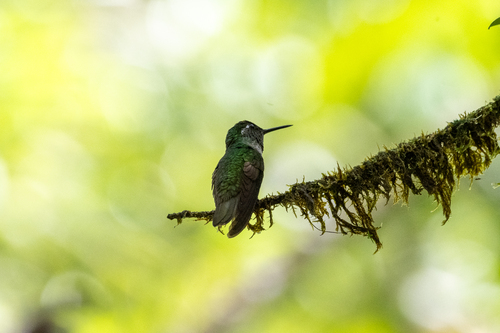 White-bellied Mountain-gem
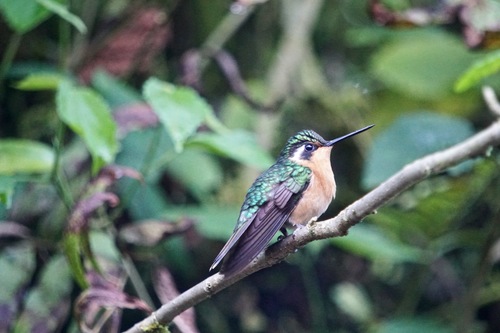 Purple-throated Mountain-gem
In breve
Il modo più affidabile per separare il White-bellied Mountain-gem dal Purple-throated Mountain-gem è il colore e il motivo delle parti inferiori e della gola, specialmente nei maschi adulti: i maschi White-bellied hanno una pancia bianca e un gorget blu-violetto, mentre i maschi Purple-throated mostrano un petto e una pancia verde metallico con un gorget viola o violetto. Le femmine sono più difficili da distinguere, ma il White-bellied ha una gola e una pancia bianche con macchie verdi, mentre le femmine Purple-throated sono giallo-tawny sotto. Entrambe le specie hanno una striscia bianca dietro l'occhio e dimensioni e struttura simili, quindi concentrati sul colore delle parti inferiori e sul motivo della coda per la migliore separazione sul campo. I giovani e le femmine possono essere confusi, ma il colore della coda e della pancia rimane utile. Le aree di distribuzione si sovrappongono in Costa Rica e Panama, quindi il piumaggio è più affidabile della posizione.
Consigli di identificazione
- Colore del gorget del maschio adulto: Il White-bellied mostra un gorget blu-violetto; il Purple-throated ha un gorget viola o violetto metallico. Questo è il segno più affidabile per i maschi.
- Parti inferiori (maschi): I maschi White-bellied hanno una pancia bianca con macchie verdi sui lati; i maschi Purple-throated hanno un petto verde metallico e una pancia verde bronzo o grigia.
- Parti inferiori (femmine): Le femmine White-bellied sono bianche sotto con macchie verdi; le femmine Purple-throated sono giallo-tawny a buff sotto, con copritail di un bianco opaco a buff tawny.
- Gola (femmine): Le femmine White-bellied hanno una gola bianca con macchie verdi; le femmine Purple-throated hanno una gola giallo-tawny.
- Motivo del viso (femmine): Le femmine Purple-throated hanno un viso per lo più nerastro, mentre le femmine White-bellied sono meno contrastanti, con una lunga striscia bianca post-oculare in entrambe le specie.
- Motivo della coda (femmine): Il White-bellied ha una coda bronzo con bande grigie scure sulle piume esterne; le femmine Purple-throated hanno piume centrali della coda di un verde metallico opaco o verde bronzo, con la metà inferiore delle piume esterne della coda per lo più nere e punte grigie chiare.
- Segni giovanili/immaturi: Gli uccelli giovanili White-bellied hanno margini arrugginiti sulle piume verdi e gorget opachi in bronzo (maschi); i maschi immaturi Purple-throated somigliano a femmine adulte ma con un mento e una gola scuri e copritail grigi brunastri.
- Parti superiori (maschi): I maschi White-bellied hanno un viso e una corona verdi scintillanti; i maschi Purple-throated hanno una fronte e una corona di un verde smeraldo o bluastro scintillante, con un verde metallico più esteso sul petto.
- Becco: Entrambe le specie hanno un becco dritto nero di lunghezza media; la forma del becco non è un separatore.
- Colore dei piedi: Il White-bellied ha piedi rosati, ma questo è raramente visibile sul campo.
- Distribuzione: Entrambe le specie si sovrappongono in Costa Rica e Panama; non fare affidamento solo sulla posizione.
- Dimensione: Entrambi sono simili in dimensioni e peso; la dimensione non è un segno utile.
- Comportamento: Entrambi sono territoriali, ma i maschi Purple-throated possono essere più aggressivi nei fiori. Non è un segno primario sul campo.
- Variazione delle sottospecie (Purple-throated): Alcune sottospecie di Purple-throated hanno gorget di un verde più scuro o più viola, ma i principali segni sul campo sopra rimangono affidabili.
- Trappola: I Purple-throated immaturi e femminili possono essere confusi con i White-bellied, ma le parti inferiori tawny o buff e i copritail dei Purple-throated sono fondamentali. Controlla sempre il colore della pancia e della coda, non solo della gola o del viso.
Taglia
Entrambe le specie sono simili in lunghezza (circa 10–11 cm) e massa (White-bellied: ~5.7 g; Purple-throated: 4.5–6 g). Non ci sono differenze strutturali consistenti nella lunghezza del becco o nella forma del corpo notate tra di loro, e entrambe hanno becchi neri dritti di lunghezza media. La dimensione da sola non è un segno affidabile per separare questi due mountain-gems.
Piumaggio
Per i maschi adulti, il White-bellied Mountain-gem mostra un viso e una corona verdi scintillanti, parti superiori verde bronzo, un gorget blu-violetto e una pancia bianca con macchie verdi lungo i lati. La coda è bronzo con bande grigie scure vicino alla fine. Al contrario, i maschi Purple-throated hanno una fronte e una corona di un verde smeraldo o bluastro scintillante, parti superiori di bronzo verde metallico, un gorget viola o violetto metallico, e un petto verde metallico brillante con fianchi e pancia tendenti al verde bronzo o grigio; la coda è blu-nera opaca. Le femmine adulte del White-bellied hanno una gola e una pancia bianche con macchie verdi, mentre le femmine Purple-throated sono giallo-tawny sotto con copritail di un bianco opaco a buff tawny e un viso per lo più nerastro. I maschi immaturi di Purple-throated somigliano a femmine adulte ma hanno un mento e una gola scuri e copritail grigi brunastri. Gli uccelli giovanili White-bellied hanno margini arrugginiti sulle piume verdi e gorget opachi in bronzo nei maschi. Anche il motivo della coda è utile: la coda del White-bellied è bronzo con bande grigie scure, mentre quella del Purple-throated è blu-nera opaca o verde/bronzo metallico con punte grigie chiare sulle piume esterne (femmine).
Comportamento
Entrambe le specie si nutrono principalmente di nettare e sono territoriali, specialmente i maschi. I maschi Purple-throated sono noti per difendere aggressivamente i fiori, mentre le femmine si nutrono più per trappole. Entrambe le specie prendono anche insetti, ma le femmine Purple-throated si nutrono in volo e battono le ali contro il fogliame per scacciare le prede. Queste differenze comportamentali sono sottili e non facilmente osservabili sul campo a meno che non si osservi per periodi prolungati.
Habitat
Entrambe le specie si trovano in Costa Rica e Panama, con il Purple-throated trovato anche in Nicaragua. Le loro aree di distribuzione si sovrappongono nelle zone montuose della Costa Rica e del Panama occidentale. La preferenza dell'habitat non è un separatore affidabile nella zona di sovrapposizione, poiché entrambe si trovano in habitat forestali montani simili. L'abbondanza locale può variare, ma questo non è diagnostico per l'identificazione sul campo.
White-bellied Mountain-gem · Purple-throated Mountain-gem · I miei uccelli difficili