

Motmot

シロハラシロメジリハチドリ 対 フジノドシロメジリハチドリ

Lampornis hemileucus 対 Lampornis calolaemus

シロハラシロメジリハチドリとフジノドシロメジリハチドリのクイズ
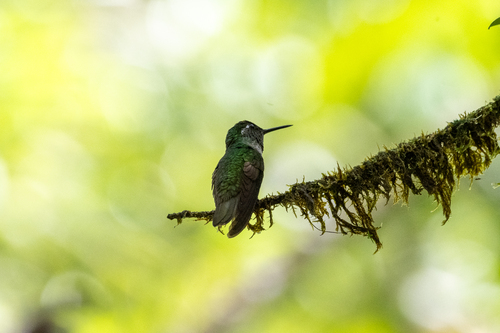
シロハラシロメジリハチドリ (Lampornis hemileucus) シロハラシロメジリハチドリ
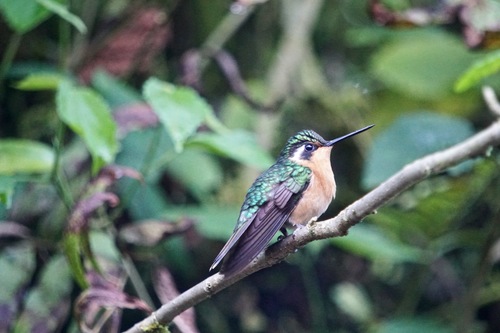
フジノドシロメジリハチドリ (Lampornis calolaemus) フジノドシロメジリハチドリ

メディア

読み込み中…

要点

シロハラシロメジリハチドリとフジノドシロメジリハチドリを区別する最も信頼できる方法は、特に成鳥のオスにおける腹部と喉の色と模様によるものです。シロハラのオスは白い腹部と青紫色のゴルゲットを持ち、フジノドのオスは金属的な緑色の胸と腹部に紫またはバイオレットのゴルゲットを示します。メスはより難しいですが、シロハラは白い喉と腹部に緑の斑点があり、フジノドのメスは下側が黄褐色です。両種は目の後ろに白いストライプを持ち、サイズと構造は似ていますので、最良のフィールドでの区別のためには腹部の色と尾の模様に焦点を当ててください。未成熟個体とメスは混同されることがありますが、尾の下部と腹部の色は役立ちます。コスタリカとパナマで分布が重なっているため、羽毛は場所よりも信頼性があります。

識別のコツ

  1. Adult male gorget color: シロハラは青紫色のゴルゲットを示し、フジノドは金属的な紫またはバイオレットのゴルゲットを持っています。これはオスの最も信頼できる特徴です。
  2. Underparts (males): シロハラのオスは側面に緑の斑点のある白い腹部を持ち、フジノドのオスは金属的な緑色の胸と青銅色または灰色の腹部を持っています。
  3. Underparts (females): シロハラのメスは下側が白で緑の斑点があり、フジノドのメスは下側が黄褐色からバフ色で、鈍い白から黄褐色の尾の下部の覆羽を持っています。
  4. Throat (females): シロハラのメスは緑の斑点のある白い喉を持ち、フジノドのメスは黄褐色の喉を持っています。
  5. Face pattern (females): フジノドのメスは主に黒っぽい顔を持ち、シロハラのメスはコントラストが少なく、両種に長い白い後眼ストライプがあります。
  6. Tail pattern (females): シロハラは外羽に鈍い灰色の帯のある青銅色の尾を持ち、フジノドのメスは中央の尾羽が鈍い金属的な緑または青銅色で、外尾羽の下半分は主に黒く、淡い灰色の先端があります。
  7. Juvenile/immature marks: 幼鳥のシロハラは緑の羽に錆色の縁取りがあり、鈍い青銅色のゴルゲットを持っています(オス)。フジノドの未成熟のオスは成鳥のメスに似ていますが、鈍い顎と喉、茶色がかった灰色の尾の下部の覆羽を持っています。
  8. Upperparts (males): シロハラのオスはきらめく緑色の顔と冠を持ち、フジノドのオスはきらめくエメラルドまたは青緑色の額と冠を持ち、胸にはより広範囲に金属的な緑があります。
  9. Bill: 両種は中程度の長さの直線的な黒いくちばしを持ち、くちばしの形状は区別要因ではありません。
  10. Feet color: シロハラはピンクがかった足を持っていますが、これはフィールドではめったに見えません。
  11. Range: 両種はコスタリカとパナマで分布が重なっていますので、場所だけに頼らないでください。
  12. Size: 両者はサイズと体重が似ています。サイズは有用なフィールドマークではありません。
  13. Behavior: 両者は領土的ですが、フジノドのオスは花のパッチでより攻撃的である可能性があります。これは主要なフィールドマークではありません。
  14. Subspecies variation (Purple-throated): フジノドのいくつかの亜種はより暗い緑またはより紫のゴルゲットを持っていますが、上記の主要なフィールドマークは信頼性があります。
  15. Pitfall: 未成熟およびメスのフジノドはシロハラと混同されることがありますが、フジノドの黄褐色またはバフ色の腹部と尾の下部の覆羽が重要です。常に腹部と尾の下部の色を確認し、喉や顔だけに頼らないでください。

大きさ

両種は長さ(約10〜11 cm)と質量(シロハラ:約5.7 g; フジノド:4.5〜6 g)が似ています。両者の間にくちばしの長さや体形に一貫した構造的な違いは見られず、両者とも中程度の長さの直線的な黒いくちばしを持っています。サイズだけではこれらの二つのメジリハチドリを区別するための信頼できるフィールドマークではありません。

羽色

成鳥のオスの場合、シロハラシロメジリハチドリはきらめく緑色の顔と冠、青銅色の上面、青紫色のゴルゲット、そして側面に緑の斑点のある白い腹部を示します。尾は青銅色で、先端近くに鈍い灰色の帯があります。それに対して、フジノドのオスはきらめくエメラルドまたは青緑色の額と冠、金属的な青銅色の上面、金属的な紫またはバイオレットのゴルゲット、そして青銅色または灰色の傾向のある明るい金属的な緑色の胸を持ち、尾は鈍い青黒色です。シロハラの成鳥のメスは緑の斑点のある白い喉と腹部を持ち、フジノドのメスは鈍い白から黄褐色の尾の下部の覆羽を持ち、下側は黄褐色です。フジノドの未成熟のオスは成鳥のメスに似ていますが、鈍い顎と喉、茶色がかった灰色の尾の下部の覆羽を持っています。幼鳥のシロハラは緑の羽に錆色の縁取りがあり、オスには鈍い青銅色のゴルゲットがあります。尾の模様も有用です:シロハラの尾は青銅色で鈍い灰色の帯がありますが、フジノドの尾は鈍い青黒色または金属的な緑/青銅色で、外羽の先端に淡い灰色があります(メス)。

行動

両種は主に蜜を食べ、特にオスは領土的です。フジノドのオスは花のパッチを攻撃的に守ることで知られていますが、メスはトラップラインでより多く餌を取ります。両種は昆虫も捕食しますが、フジノドのメスはホバリングして餌を捕るために葉に羽を打ち付けます。これらの行動の違いは微妙で、長時間観察しない限りフィールドで簡単には観察できません。

生息環境

両種はコスタリカとパナマに生息し、フジノドはニカラグアにも見られます。彼らの分布はコスタリカの高地と西パナマで重なっています。生息地の好みは重なりのゾーンでは信頼できる区別要因ではなく、両者は似たような山地の森林生息地に見られます。地域の豊富さは変動する可能性がありますが、これはフィールドでの識別には診断的ではありません。

より良い説明を送る

比較と同じ項目を使ってください。文章はすぐに公開されます。

The most reliable way to separate White-bellied Mountain-gem from Purple-throated Mountain-gem is by the color and pattern of the underparts and throat, especially in adult males: White-bellied males have a white belly and a blue-violet gorget, while Purple-throated males show a metallic green breast and belly with a purple or violet gorget. Females are trickier, but White-bellied has a white throat and belly with green speckling, while Purple-throated females are tawny-yellow below. Both species have a white stripe behind the eye and similar size and structure, so focus on underpart color and tail pattern for the best field separation. Immatures and females can be confused, but undertail and belly coloration remain helpful. Range overlaps in Costa Rica and Panama, so plumage is more reliable than location.

  1. Adult male gorget color: White-bellied shows a blue-violet gorget; Purple-throated has a metallic violet or purple gorget. This is the most reliable mark for males.
  2. Underparts (males): White-bellied males have a white belly with green speckles on the sides; Purple-throated males have a metallic green breast and a bronzy green or grayish belly.
  3. Underparts (females): White-bellied females are white below with green speckles; Purple-throated females are tawny yellow to buff below, with dull white to tawny buff undertail coverts.
  4. Throat (females): White-bellied females have a white throat with green speckles; Purple-throated females have a tawny yellow throat.
  5. Face pattern (females): Purple-throated females have a mostly blackish face, while White-bellied females are less contrasting, with a long white post-ocular stripe in both species.
  6. Tail pattern (females): White-bellied has a bronzy tail with dusky gray bands on the outer feathers; Purple-throated females have central tail feathers dull metallic green or bronze-green, with the lower half of outer tail feathers mostly black and pale gray tips.
  7. Juvenile/immature marks: Juvenile White-bellied birds have rusty fringes on green feathers and dull bronze gorgets (males); Purple-throated immature males resemble adult females but with a dusky chin and throat and brownish gray undertail coverts.
  8. Upperparts (males): White-bellied males have a glittering green face and crown; Purple-throated males have a glittering emerald or bluish green forehead and crown, with more extensive metallic green on the breast.
  9. Bill: Both species have a medium-length straight black bill; bill shape is not a separator.
  10. Feet color: White-bellied has pinkish feet, but this is rarely visible in the field.
  11. Range: Both species overlap in Costa Rica and Panama; do not rely on location alone.
  12. Size: Both are similar in size and weight; size is not a useful field mark.
  13. Behavior: Both are territorial, but Purple-throated males may be more aggressive at flower patches. Not a primary field mark.
  14. Subspecies variation (Purple-throated): Some subspecies of Purple-throated have darker green or more purple gorgets, but the main field marks above remain reliable.
  15. Pitfall: Immature and female Purple-throated can be confused with White-bellied, but the tawny or buff underparts and undertail coverts of Purple-throated are key. Always check belly and undertail color, not just throat or face.

Both species are similar in length (about 10–11 cm) and mass (White-bellied: ~5.7 g; Purple-throated: 4.5–6 g). There is no consistent structural difference in bill length or body shape noted between them, and both have medium-length straight black bills. Size alone is not a reliable field mark for separating these two mountain-gems.

For adult males, White-bellied Mountain-gem shows a glittering green face and crown, bronzy green upperparts, a blue-violet gorget, and a white belly with green speckles along the sides. The tail is bronzy with dusky gray bands near the end. In contrast, Purple-throated males have a glittering emerald or bluish green forehead and crown, metallic bronze-green upperparts, a metallic violet or purple gorget, and a bright metallic green breast with flanks and belly tending bronzy green or gray; the tail is dull blue-black. Adult females of White-bellied have a white throat and belly with green speckles, while Purple-throated females are tawny yellow below with dull white to tawny buff undertail coverts and a mostly blackish face. Immature males of Purple-throated resemble adult females but have a dusky chin and throat and brownish gray undertail coverts. Juvenile White-bellied birds have rusty fringes on the green feathers and dull bronze gorgets in males. Tail pattern is also useful: White-bellied's tail is bronzy with dusky gray bands, while Purple-throated's is dull blue-black or metallic green/bronze with pale gray tips on the outer feathers (females).

Both species feed mainly on nectar and are territorial, especially males. Purple-throated males are known to defend flower patches aggressively, while females feed more by trap-lining. Both species also take insects, but Purple-throated females hover-glean and beat their wings against foliage to flush prey. These behavioral differences are subtle and not easily observed in the field unless watching for extended periods.

Both species occur in Costa Rica and Panama, with Purple-throated also found in Nicaragua. Their ranges overlap in the highlands of Costa Rica and western Panama. Habitat preference is not a reliable separator in the overlap zone, as both are found in similar montane forest habitats. Local abundance may vary, but this is not diagnostic for field identification.

変更を破棄しますか?

保存していない編集があります。今離れると失われます。

シロハラシロメジリハチドリ · フジノドシロメジリハチドリ · 苦手な鳥