

Motmot

West African Batis vs Angola Batis

Batis occulta versus Batis minulla

Play a quiz with West African Batis and Angola Batis
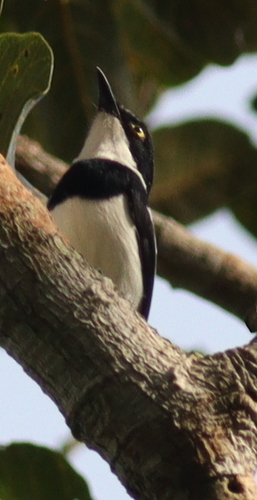
West African Batis (Batis occulta) West African Batis
Angola Batis (Batis minulla) Angola Batis

Media

Loading…

In short

The most reliable field mark between West African Batis and Angola Batis is the adult male's breast band color: black in Angola Batis males, chestnut in females, while details for West African Batis are not described here. Angola Batis males also show a distinctive bluish-grey forehead and crown with a glossy black mask, plus a white wing stripe and white spots on the nape and uppertail coverts, which are not mentioned for West African Batis. Both species are small, pied, and restless, but Angola Batis is described as particularly dumpy and energetic. Habitat overlap is partial, but West African Batis is more strictly associated with lowland forests of West and Central Africa, while Angola Batis is found in western central Africa. Separation in the field relies on close attention to head pattern, breast band color (by sex), and wing markings.

Identification tips

  1. Adult male breast band color: Angola Batis males have a black breast band, while females have a chestnut band. The breast band color is not specified for West African Batis, so use this mark only to confirm Angola Batis.
  2. Crown and mask pattern: Angola Batis males show a bluish-grey forehead and crown with a glossy black mask extending through the eyes to the nape and down the neck sides, plus a white spot on the lores and nape. These features are not described for West African Batis and are strong clues for Angola Batis.
  3. Wing pattern: Angola Batis has black flight feathers with narrow white edges and a clear white wing stripe, plus white spots on the uppertail coverts. These are not mentioned for West African Batis and may be diagnostic if seen well.
  4. Tail pattern: Angola Batis has a black tail with white outer tail feathers. This is not contrasted for West African Batis, so use with caution.
  5. Underparts: Angola Batis has white underparts with the exception of the breast band and greyish undertail coverts. No details for West African Batis, so this is only useful for confirming Angola Batis.
  6. Eye color: Angola Batis has bright yellow eyes; eye color for West African Batis is not described, so use only to support an Angola Batis ID.
  7. Bill and legs: Both are black in Angola Batis; no information for West African Batis, so not diagnostic.
  8. Structure and jizz: Angola Batis is described as dumpy and restless, often moving energetically. West African Batis may be similar, but this is not specified. Use only as a supporting mark.
  9. Sex differences: Only Angola Batis is described as having a chestnut breast band in females; if you see this, it is diagnostic for Angola Batis female.
  10. Juvenile/immature birds: No information is available for either species, so immature birds are likely to be very challenging and should be left unidentified unless seen very well.
  11. Habitat and range: If in lowland forest in West Africa (especially outside western central Africa), West African Batis is more likely. In western central Africa, check plumage marks carefully as both may occur.
  12. Size: Both species are very small and similar in size; do not use size as a separator.
  13. Voice: No vocal differences are described; do not rely on calls or song for separation.
  14. Pitfalls: Beware of assuming all small, pied batises in the region are the same species; check for the bluish-grey crown, black mask, and breast band color, especially in males.
  15. Seasonal variation: No information is given on seasonal plumage change, so assume adult marks are stable year-round unless evidence suggests otherwise.

Size

Both species are very small batises, and available measurements do not suggest a meaningful size difference: Angola Batis weighs about 9.8–10.4 g and is approximately 10 cm long. No mass or length is provided for West African Batis, but there is no indication it is noticeably larger or smaller. In the field, size is not a reliable separator.

Plumage

For adult males, Angola Batis is distinctive with a bluish-grey forehead and crown, a glossy black mask extending to the nape, a white spot on the lores and nape, and a black breast band. The upperparts are grey to blackish-grey with white spots, and the wings have black flight feathers edged narrowly white, plus a clear white wing stripe. The tail is black with white outer feathers. Females resemble males but have a chestnut (not black) breast band. No detailed plumage description is provided for West African Batis, so direct comparison is limited. However, the combination of bluish-grey crown, black mask, and white wing stripe in Angola Batis is not mentioned for West African Batis, making these marks useful for separation. Juvenile and immature plumages are not described for either species, so caution is needed with non-adult birds.

Behaviour

Angola Batis is described as dumpy and notably restless, often moving energetically through its habitat. No specific behavioral notes are given for West African Batis, but both are typical active batises. Behavior alone is unlikely to provide a reliable field separation.

Habitat

West African Batis is found in subtropical or tropical moist lowland forests across a broad swath of West and Central Africa, including Cameroon, Central African Republic, Republic of the Congo, Ivory Coast, Equatorial Guinea, Gabon, Ghana, Liberia, Nigeria, and Sierra Leone. Angola Batis is found in western central Africa, with no further habitat detail provided. While ranges may overlap in western Central Africa, West African Batis is more strictly tied to lowland forest, which may help in context if habitat is well known.

Submit a better description

Use the same sections as the comparison. Your text is published immediately.

The most reliable field mark between West African Batis and Angola Batis is the adult male's breast band color: black in Angola Batis males, chestnut in females, while details for West African Batis are not described here. Angola Batis males also show a distinctive bluish-grey forehead and crown with a glossy black mask, plus a white wing stripe and white spots on the nape and uppertail coverts, which are not mentioned for West African Batis. Both species are small, pied, and restless, but Angola Batis is described as particularly dumpy and energetic. Habitat overlap is partial, but West African Batis is more strictly associated with lowland forests of West and Central Africa, while Angola Batis is found in western central Africa. Separation in the field relies on close attention to head pattern, breast band color (by sex), and wing markings.

  1. Adult male breast band color: Angola Batis males have a black breast band, while females have a chestnut band. The breast band color is not specified for West African Batis, so use this mark only to confirm Angola Batis.
  2. Crown and mask pattern: Angola Batis males show a bluish-grey forehead and crown with a glossy black mask extending through the eyes to the nape and down the neck sides, plus a white spot on the lores and nape. These features are not described for West African Batis and are strong clues for Angola Batis.
  3. Wing pattern: Angola Batis has black flight feathers with narrow white edges and a clear white wing stripe, plus white spots on the uppertail coverts. These are not mentioned for West African Batis and may be diagnostic if seen well.
  4. Tail pattern: Angola Batis has a black tail with white outer tail feathers. This is not contrasted for West African Batis, so use with caution.
  5. Underparts: Angola Batis has white underparts with the exception of the breast band and greyish undertail coverts. No details for West African Batis, so this is only useful for confirming Angola Batis.
  6. Eye color: Angola Batis has bright yellow eyes; eye color for West African Batis is not described, so use only to support an Angola Batis ID.
  7. Bill and legs: Both are black in Angola Batis; no information for West African Batis, so not diagnostic.
  8. Structure and jizz: Angola Batis is described as dumpy and restless, often moving energetically. West African Batis may be similar, but this is not specified. Use only as a supporting mark.
  9. Sex differences: Only Angola Batis is described as having a chestnut breast band in females; if you see this, it is diagnostic for Angola Batis female.
  10. Juvenile/immature birds: No information is available for either species, so immature birds are likely to be very challenging and should be left unidentified unless seen very well.
  11. Habitat and range: If in lowland forest in West Africa (especially outside western central Africa), West African Batis is more likely. In western central Africa, check plumage marks carefully as both may occur.
  12. Size: Both species are very small and similar in size; do not use size as a separator.
  13. Voice: No vocal differences are described; do not rely on calls or song for separation.
  14. Pitfalls: Beware of assuming all small, pied batises in the region are the same species; check for the bluish-grey crown, black mask, and breast band color, especially in males.
  15. Seasonal variation: No information is given on seasonal plumage change, so assume adult marks are stable year-round unless evidence suggests otherwise.

Both species are very small batises, and available measurements do not suggest a meaningful size difference: Angola Batis weighs about 9.8–10.4 g and is approximately 10 cm long. No mass or length is provided for West African Batis, but there is no indication it is noticeably larger or smaller. In the field, size is not a reliable separator.

For adult males, Angola Batis is distinctive with a bluish-grey forehead and crown, a glossy black mask extending to the nape, a white spot on the lores and nape, and a black breast band. The upperparts are grey to blackish-grey with white spots, and the wings have black flight feathers edged narrowly white, plus a clear white wing stripe. The tail is black with white outer feathers. Females resemble males but have a chestnut (not black) breast band. No detailed plumage description is provided for West African Batis, so direct comparison is limited. However, the combination of bluish-grey crown, black mask, and white wing stripe in Angola Batis is not mentioned for West African Batis, making these marks useful for separation. Juvenile and immature plumages are not described for either species, so caution is needed with non-adult birds.

Angola Batis is described as dumpy and notably restless, often moving energetically through its habitat. No specific behavioral notes are given for West African Batis, but both are typical active batises. Behavior alone is unlikely to provide a reliable field separation.

West African Batis is found in subtropical or tropical moist lowland forests across a broad swath of West and Central Africa, including Cameroon, Central African Republic, Republic of the Congo, Ivory Coast, Equatorial Guinea, Gabon, Ghana, Liberia, Nigeria, and Sierra Leone. Angola Batis is found in western central Africa, with no further habitat detail provided. While ranges may overlap in western Central Africa, West African Batis is more strictly tied to lowland forest, which may help in context if habitat is well known.

Discard your changes?

You have unsaved edits. If you leave now, those changes will be lost.

West African Batis · Angola Batis · My Tricky Birds