

Motmot

Wailing Cisticola vs Rufous-winged Cisticola

Cisticola lais versus Cisticola galactotes

Play a quiz with Wailing Cisticola and Rufous-winged Cisticola
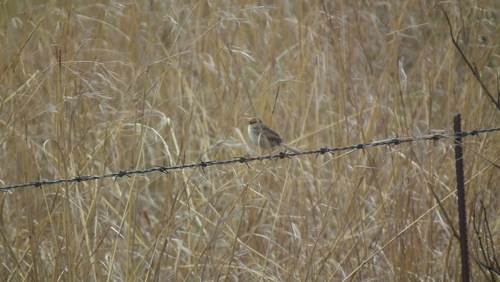
Wailing Cisticola (Cisticola lais) Wailing Cisticola
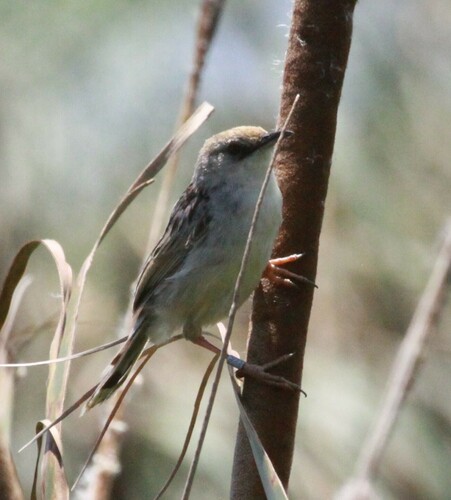
Rufous-winged Cisticola (Cisticola galactotes) Rufous-winged Cisticola

Media

Loading…

In short

The most practical way to separate Wailing Cisticola from Rufous-winged Cisticola in the field is by their habitat: Wailing Cisticola is found in high-altitude grasslands, while Rufous-winged Cisticola is restricted to the east coast of southern Africa. If you are birding in upland grassland, especially in countries like Lesotho or highland South Africa, Wailing is far more likely. Plumage differences are not detailed in the available sources, so habitat and range are your best clues. Both species are small, active cisticolas with similar structure, and there are no documented age-specific wing or flight marks to distinguish immatures in the field.

Identification tips

  1. Habitat is key: Wailing Cisticola is a high-altitude grassland specialist, while Rufous-winged Cisticola is found on the east coast of southern Africa. Always check your location and elevation first.
  2. Range check: If you are birding in Lesotho, upland South Africa, or other highland areas, you are almost certainly dealing with Wailing Cisticola. Rufous-winged is not expected here.
  3. Lowland and coastal areas: If you are in lowland or coastal grassland on the east coast, especially in southern Mozambique or coastal KwaZulu-Natal, consider Rufous-winged Cisticola.
  4. No documented plumage differences: Do not rely on plumage to separate these species, especially in immatures or birds in flight. No distinctive wing or tail patterns are described for either species.
  5. Structure is similar: Both species have typical cisticola structure—small, compact, with short wings and tail. Structure is not a reliable separator.
  6. Behavioral overlap: Both are active, often skulking, and make short flights between grass stems. Behavior is not diagnostic.
  7. Voice not covered: No vocal differences are described in the available sources; do not rely on song or call for separation unless you have local experience.
  8. Sex and season: No sexual or seasonal plumage differences are described for either species that would help in identification.
  9. Juvenile and immature birds: There are no documented age-specific field marks for separating young birds in these two species.
  10. Avoid confusion with other cisticolas: Both species could be confused with other cisticolas in their range; always use habitat and range first, then consult local field guides for further separation if needed.
  11. If in doubt, note the habitat: When uncertain, record the habitat and elevation as these are the most reliable clues for these two species.
  12. Photograph habitat context: If you are unsure, a photo showing the surrounding habitat may be more useful than a distant shot of the bird itself for later identification.
  13. Consult local checklists: Local abundance and expected species lists (eBird, regional guides) can help confirm which species is likely in your area.
  14. Do not rely on the name alone: The name 'rufous-winged' may suggest a plumage feature, but this is not confirmed as a diagnostic mark in the sources provided.
  15. Be honest about uncertainty: If you cannot confirm habitat or range, and the bird is not singing, it may not be possible to separate these two species with confidence.

Size

No size or mass differences are documented between these two species in the available sources. Both are typical small cisticolas, and size is not a reliable field mark for separation.

Plumage

There are no detailed plumage differences described in the available sources for any age or season. No age-specific upperwing or flight marks are mentioned for either species, so you cannot reliably separate juveniles, immatures, or adults in flight by plumage alone. The name 'rufous-winged' suggests possible rufous tones in the wing of C. galactotes, but this is not confirmed in the notes. For both species, expect typical cisticola patterns: brownish upperparts and paler underparts, but do not rely on this for separation.

Behaviour

Both species are typical cisticolas in behavior: active, often skulking in grass, and likely to be seen flitting between grass stems or making short flights. No behavioral differences are described that would help separate them in the field.

Habitat

Habitat is the most reliable field mark. Wailing Cisticola (C. lais) is found in subtropical or tropical high-altitude grasslands, often in upland or montane regions across a broad range including Angola, Lesotho, Malawi, Mozambique, South Africa, Tanzania, Zambia, and Zimbabwe. Rufous-winged Cisticola (C. galactotes) is restricted to the east coast of southern Africa, and is not associated with high-altitude grasslands. If you are in a montane or upland grassland, especially away from the east coast, you are almost certainly seeing Wailing Cisticola.

Submit a better description

Use the same sections as the comparison. Your text is published immediately.

The most practical way to separate Wailing Cisticola from Rufous-winged Cisticola in the field is by their habitat: Wailing Cisticola is found in high-altitude grasslands, while Rufous-winged Cisticola is restricted to the east coast of southern Africa. If you are birding in upland grassland, especially in countries like Lesotho or highland South Africa, Wailing is far more likely. Plumage differences are not detailed in the available sources, so habitat and range are your best clues. Both species are small, active cisticolas with similar structure, and there are no documented age-specific wing or flight marks to distinguish immatures in the field.

  1. Habitat is key: Wailing Cisticola is a high-altitude grassland specialist, while Rufous-winged Cisticola is found on the east coast of southern Africa. Always check your location and elevation first.
  2. Range check: If you are birding in Lesotho, upland South Africa, or other highland areas, you are almost certainly dealing with Wailing Cisticola. Rufous-winged is not expected here.
  3. Lowland and coastal areas: If you are in lowland or coastal grassland on the east coast, especially in southern Mozambique or coastal KwaZulu-Natal, consider Rufous-winged Cisticola.
  4. No documented plumage differences: Do not rely on plumage to separate these species, especially in immatures or birds in flight. No distinctive wing or tail patterns are described for either species.
  5. Structure is similar: Both species have typical cisticola structure—small, compact, with short wings and tail. Structure is not a reliable separator.
  6. Behavioral overlap: Both are active, often skulking, and make short flights between grass stems. Behavior is not diagnostic.
  7. Voice not covered: No vocal differences are described in the available sources; do not rely on song or call for separation unless you have local experience.
  8. Sex and season: No sexual or seasonal plumage differences are described for either species that would help in identification.
  9. Juvenile and immature birds: There are no documented age-specific field marks for separating young birds in these two species.
  10. Avoid confusion with other cisticolas: Both species could be confused with other cisticolas in their range; always use habitat and range first, then consult local field guides for further separation if needed.
  11. If in doubt, note the habitat: When uncertain, record the habitat and elevation as these are the most reliable clues for these two species.
  12. Photograph habitat context: If you are unsure, a photo showing the surrounding habitat may be more useful than a distant shot of the bird itself for later identification.
  13. Consult local checklists: Local abundance and expected species lists (eBird, regional guides) can help confirm which species is likely in your area.
  14. Do not rely on the name alone: The name 'rufous-winged' may suggest a plumage feature, but this is not confirmed as a diagnostic mark in the sources provided.
  15. Be honest about uncertainty: If you cannot confirm habitat or range, and the bird is not singing, it may not be possible to separate these two species with confidence.

No size or mass differences are documented between these two species in the available sources. Both are typical small cisticolas, and size is not a reliable field mark for separation.

There are no detailed plumage differences described in the available sources for any age or season. No age-specific upperwing or flight marks are mentioned for either species, so you cannot reliably separate juveniles, immatures, or adults in flight by plumage alone. The name 'rufous-winged' suggests possible rufous tones in the wing of C. galactotes, but this is not confirmed in the notes. For both species, expect typical cisticola patterns: brownish upperparts and paler underparts, but do not rely on this for separation.

Both species are typical cisticolas in behavior: active, often skulking in grass, and likely to be seen flitting between grass stems or making short flights. No behavioral differences are described that would help separate them in the field.

Habitat is the most reliable field mark. Wailing Cisticola (C. lais) is found in subtropical or tropical high-altitude grasslands, often in upland or montane regions across a broad range including Angola, Lesotho, Malawi, Mozambique, South Africa, Tanzania, Zambia, and Zimbabwe. Rufous-winged Cisticola (C. galactotes) is restricted to the east coast of southern Africa, and is not associated with high-altitude grasslands. If you are in a montane or upland grassland, especially away from the east coast, you are almost certainly seeing Wailing Cisticola.

Discard your changes?

You have unsaved edits. If you leave now, those changes will be lost.

Wailing Cisticola · Rufous-winged Cisticola · My Tricky Birds