

Jammergraszanger vs Zwartruggraszanger
Cisticola lais versus Cisticola galactotes
Speel een quiz met Jammergraszanger en Zwartruggraszanger
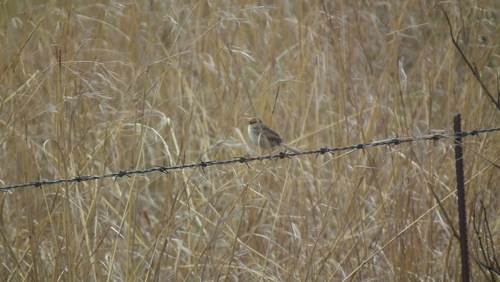 Jammergraszanger
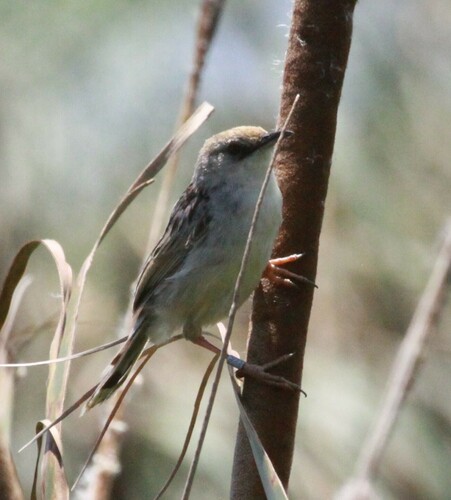 Zwartruggraszanger
Kort gezegd
De meest praktische manier om Jammergraszanger van Zwartruggraszanger in het veld te scheiden, is aan de hand van hun habitat: Jammergraszanger wordt aangetroffen in hooggelegen graslanden, terwijl Zwartruggraszanger beperkt is tot de oostkust van Zuid-Afrika. Als je aan het vogels kijken bent in hooggelegen grasland, vooral in landen zoals Lesotho of hoogland Zuid-Afrika, is de kans op het zien van Jammer veel groter. Verschillen in verenkleed worden niet gedetailleerd beschreven in de beschikbare bronnen, dus habitat en verspreiding zijn je beste aanwijzingen. Beide soorten zijn kleine, actieve cisticola's met een vergelijkbare structuur, en er zijn geen gedocumenteerde leeftijdspecifieke vleugel- of vluchtmarkeringen om onvolwassen vogels in het veld te onderscheiden.
Herkenningstips
- Habitat is de sleutel: Jammergraszanger is een specialist in hooggelegen graslanden, terwijl Zwartruggraszanger wordt aangetroffen aan de oostkust van Zuid-Afrika. Controleer altijd eerst je locatie en hoogte.
- Verspreidingscontrole: Als je aan het vogels kijken bent in Lesotho, hoogland Zuid-Afrika of andere hooggelegen gebieden, heb je bijna zeker te maken met Jammergraszanger. Zwartrug is hier niet te verwachten.
- Laagland- en kustgebieden: Als je in laagland of kustgrasland aan de oostkust bent, vooral in zuidelijk Mozambique of kust KwaZulu-Natal, overweeg dan Zwartruggraszanger.
- Geen gedocumenteerde verschillen in verenkleed: Vertrouw niet op verenkleed om deze soorten te scheiden, vooral niet bij onvolwassen vogels of vogels in vlucht. Er zijn geen onderscheidende vleugel- of staartpatronen beschreven voor beide soorten.
- Structuur is vergelijkbaar: Beide soorten hebben een typische cisticola-structuur—klein, compact, met korte vleugels en staart. Structuur is geen betrouwbare scheiding.
- Gedragsoverlap: Beide zijn actief, vaak schuilend, en maken korte vluchten tussen grasstelen. Gedrag is niet diagnostisch.
- Stem niet behandeld: Er zijn geen vocale verschillen beschreven in de beschikbare bronnen; vertrouw niet op zang of roep voor scheiding, tenzij je lokale ervaring hebt.
- Geslacht en seizoen: Er zijn geen seksuele of seizoensgebonden verschillen in verenkleed beschreven voor beide soorten die zouden helpen bij identificatie.
- Jong en onvolwassen vogels: Er zijn geen gedocumenteerde leeftijdspecifieke veldmarkeringen voor het scheiden van jonge vogels in deze twee soorten.
- Vermijd verwarring met andere cisticola's: Beide soorten kunnen verward worden met andere cisticola's in hun verspreiding; gebruik altijd eerst habitat en verspreiding, en raadpleeg dan lokale veldgidsen voor verdere scheiding indien nodig.
- Bij twijfel, noteer het habitat: Wanneer je onzeker bent, noteer dan het habitat en de hoogte, aangezien dit de meest betrouwbare aanwijzingen zijn voor deze twee soorten.
- Fotografeer de context van het habitat: Als je niet zeker bent, kan een foto die het omringende habitat toont nuttiger zijn dan een verre opname van de vogel zelf voor latere identificatie.
- Raadpleeg lokale checklisten: Lokale overvloed en verwachte soortenlijsten (eBird, regionale gidsen) kunnen helpen bevestigen welke soort waarschijnlijk in jouw gebied is.
- Vertrouw niet alleen op de naam: De naam 'zwartrug' kan een kenmerk van het verenkleed suggereren, maar dit is niet bevestigd als een diagnostisch kenmerk in de gegeven bronnen.
- Wees eerlijk over onzekerheid: Als je het habitat of de verspreiding niet kunt bevestigen, en de vogel niet zingt, kan het moeilijk zijn om deze twee soorten met vertrouwen te scheiden.
Grootte
Er zijn geen gedocumenteerde verschillen in grootte of massa tussen deze twee soorten in de beschikbare bronnen. Beide zijn typische kleine cisticola's, en grootte is geen betrouwbare veldmarkering voor scheiding.
Verenkleed
Er zijn geen gedetailleerde verschillen in verenkleed beschreven in de beschikbare bronnen voor enige leeftijd of seizoen. Er worden geen leeftijdspecifieke bovenste vleugel- of vluchtmarkeringen genoemd voor beide soorten, dus je kunt onvolwassenen, onvolwassen of volwassen vogels in vlucht niet betrouwbaar scheiden op basis van verenkleed alleen. De naam 'zwartrug' suggereert mogelijke roestbruine tonen in de vleugel van C. galactotes, maar dit is niet bevestigd in de aantekeningen. Voor beide soorten, verwacht typische cisticola-patronen: bruinachtige bovenzijde en lichtere onderzijde, maar vertrouw hier niet op voor scheiding.
Gedrag
Beide soorten zijn typische cisticola's in gedrag: actief, vaak schuilend in gras, en waarschijnlijk te zien flitsen tussen grasstelen of korte vluchten maken. Er zijn geen gedragsverschillen beschreven die zouden helpen om ze in het veld te scheiden.
Habitat
Habitat is de meest betrouwbare veldmarkering. Jammergraszanger (C. lais) wordt aangetroffen in subtropische of tropische hooggelegen graslanden, vaak in hooggelegen of bergachtige gebieden over een breed bereik, waaronder Angola, Lesotho, Malawi, Mozambique, Zuid-Afrika, Tanzania, Zambia en Zimbabwe. Zwartruggraszanger (C. galactotes) is beperkt tot de oostkust van Zuid-Afrika en is niet geassocieerd met hooggelegen graslanden. Als je je in een bergachtig of hooggelegen grasland bevindt, vooral weg van de oostkust, zie je bijna zeker Jammergraszanger.