

Motmot

シロハラセッカ 対 Rufous-winged Cisticola

Cisticola lais 対 Cisticola galactotes

シロハラセッカとRufous-winged Cisticolaのクイズ
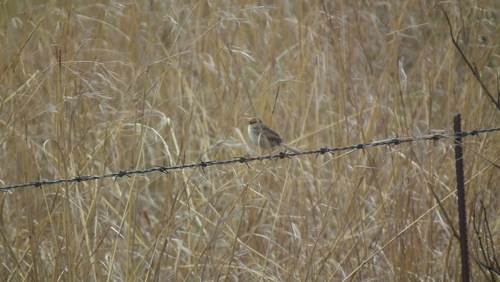
シロハラセッカ (Cisticola lais) シロハラセッカ
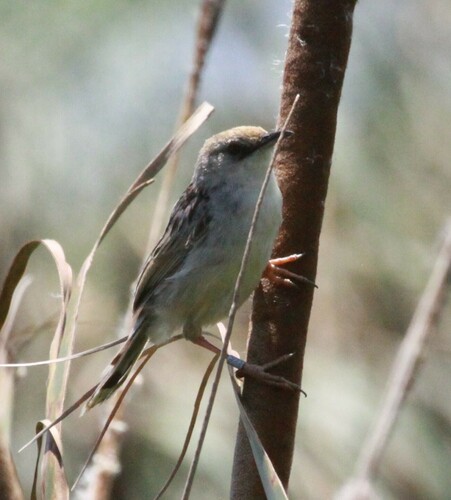
Rufous-winged Cisticola (Cisticola galactotes) Rufous-winged Cisticola

メディア

読み込み中…

要点

フィールドでシロハラセッカとルフウスウイングセッカを区別する最も実用的な方法は、その生息地によるものです:シロハラセッカは高地の草原に生息し、ルフウスウイングセッカは南アフリカの東海岸に限定されています。レソトや南アフリカの高地の草原でバードウォッチングをしている場合、シロハラセッカの方がはるかに可能性が高いです。羽毛の違いは利用可能な情報源には詳細に記載されていないため、生息地と分布が最良の手がかりです。両種は小型で活発なセッカで、構造は似ており、フィールドで未熟な個体を区別するための年齢特有の翼や飛行のマークは文書化されていません。

識別のコツ

  1. 生息地が鍵:シロハラセッカは高地の草原の専門家であり、ルフウスウイングセッカは南アフリカの東海岸に生息しています。まずは自分の位置と標高を確認してください。
  2. 分布の確認:レソト、高地の南アフリカ、または他の高地地域でバードウォッチングをしている場合、ほぼ確実にシロハラセッカに出会っています。ルフウスウイングはここでは期待されません。
  3. 低地および沿岸地域:もし南モザンビークや沿岸のクワズール・ナタールなど、東海岸の低地または沿岸の草原にいる場合、ルフウスウイングセッカを考慮してください。
  4. 文書化された羽毛の違いはない:特に未熟な個体や飛行中の鳥において、羽毛を頼りにこれらの種を区別しないでください。どちらの種にも特異な翼や尾のパターンは記載されていません。
  5. 構造は似ている:両種は典型的なセッカの構造を持ち、小型でコンパクト、短い翼と尾を持っています。構造は信頼できる区別要因ではありません。
  6. 行動の重複:両者は活発で、しばしば草の中に隠れ、草の茎の間を飛び回ったり短い飛行をするのが見られます。行動は診断的ではありません。
  7. 声はカバーされていない:利用可能な情報源には声の違いは記載されていません。地元の経験がない限り、歌や鳴き声を頼りに区別しないでください。
  8. 性別と季節:どちらの種にも同定に役立つ性的または季節的な羽毛の違いは記載されていません。
  9. 幼鳥と未熟な鳥:これらの2種の若い鳥を区別するための年齢特有のフィールドマークは文書化されていません。
  10. 他のセッカとの混同を避ける:両種はその分布域内の他のセッカと混同される可能性があります。常に生息地と分布を最初に使用し、必要に応じて地元のフィールドガイドを参照してさらなる区別を行ってください。
  11. 不明な場合は生息地を記録:不確かな場合は、生息地と標高を記録してください。これらはこの2種にとって最も信頼できる手がかりです。
  12. 生息地の文脈を写真に収める:不明な場合は、周囲の生息地を示す写真が、鳥自体の遠くからのショットよりも後の同定に役立つかもしれません。
  13. 地元のチェックリストを参照:地元の豊富さや期待される種のリスト(eBird、地域ガイド)は、あなたの地域にどの種がいるかを確認するのに役立ちます。
  14. 名前だけに頼らない:名前の「ルフウスウイング」は羽毛の特徴を示唆するかもしれませんが、これは提供された情報源では診断的なマークとして確認されていません。
  15. 不確実性について正直であること:生息地や分布を確認できず、鳥が鳴いていない場合、これらの2種を自信を持って区別することはできないかもしれません。

大きさ

利用可能な情報源には、これらの2種間のサイズや質量の違いは文書化されていません。両者は典型的な小型セッカであり、サイズは区別のための信頼できるフィールドマークではありません。

羽色

利用可能な情報源には、年齢や季節に関する詳細な羽毛の違いは記載されていません。どちらの種についても年齢特有の上翼や飛行のマークは言及されていないため、羽毛だけで幼鳥、未熟な個体、または成鳥を信頼して区別することはできません。「ルフウスウイング」という名前はC. galactotesの翼にルフウスのトーンがある可能性を示唆しますが、これはメモには確認されていません。両種について、典型的なセッカのパターンを期待してください:茶色がかった上面と淡い下面ですが、これを区別のために頼りにしないでください。

行動

両種は行動において典型的なセッカです:活発で、しばしば草の中に隠れ、草の茎の間を飛び回ったり短い飛行をするのが見られます。フィールドで彼らを区別するのに役立つ行動の違いは記載されていません。

生息環境

生息地は最も信頼できるフィールドマークです。シロハラセッカ(C. lais)は亜熱帯または熱帯の高地草原に生息し、アンゴラ、レソト、マラウイ、モザンビーク、南アフリカ、タンザニア、ザンビア、ジンバブエを含む広範囲の高地または山岳地域にしばしば見られます。ルフウスウイングセッカ(C. galactotes)は南アフリカの東海岸に限定されており、高地草原とは関連していません。もしあなたが山岳または高地の草原にいる場合、特に東海岸から離れている場合、ほぼ確実にシロハラセッカを見ていることになります。

より良い説明を送る

比較と同じ項目を使ってください。文章はすぐに公開されます。

The most practical way to separate Wailing Cisticola from Rufous-winged Cisticola in the field is by their habitat: Wailing Cisticola is found in high-altitude grasslands, while Rufous-winged Cisticola is restricted to the east coast of southern Africa. If you are birding in upland grassland, especially in countries like Lesotho or highland South Africa, Wailing is far more likely. Plumage differences are not detailed in the available sources, so habitat and range are your best clues. Both species are small, active cisticolas with similar structure, and there are no documented age-specific wing or flight marks to distinguish immatures in the field.

  1. Habitat is key: Wailing Cisticola is a high-altitude grassland specialist, while Rufous-winged Cisticola is found on the east coast of southern Africa. Always check your location and elevation first.
  2. Range check: If you are birding in Lesotho, upland South Africa, or other highland areas, you are almost certainly dealing with Wailing Cisticola. Rufous-winged is not expected here.
  3. Lowland and coastal areas: If you are in lowland or coastal grassland on the east coast, especially in southern Mozambique or coastal KwaZulu-Natal, consider Rufous-winged Cisticola.
  4. No documented plumage differences: Do not rely on plumage to separate these species, especially in immatures or birds in flight. No distinctive wing or tail patterns are described for either species.
  5. Structure is similar: Both species have typical cisticola structure—small, compact, with short wings and tail. Structure is not a reliable separator.
  6. Behavioral overlap: Both are active, often skulking, and make short flights between grass stems. Behavior is not diagnostic.
  7. Voice not covered: No vocal differences are described in the available sources; do not rely on song or call for separation unless you have local experience.
  8. Sex and season: No sexual or seasonal plumage differences are described for either species that would help in identification.
  9. Juvenile and immature birds: There are no documented age-specific field marks for separating young birds in these two species.
  10. Avoid confusion with other cisticolas: Both species could be confused with other cisticolas in their range; always use habitat and range first, then consult local field guides for further separation if needed.
  11. If in doubt, note the habitat: When uncertain, record the habitat and elevation as these are the most reliable clues for these two species.
  12. Photograph habitat context: If you are unsure, a photo showing the surrounding habitat may be more useful than a distant shot of the bird itself for later identification.
  13. Consult local checklists: Local abundance and expected species lists (eBird, regional guides) can help confirm which species is likely in your area.
  14. Do not rely on the name alone: The name 'rufous-winged' may suggest a plumage feature, but this is not confirmed as a diagnostic mark in the sources provided.
  15. Be honest about uncertainty: If you cannot confirm habitat or range, and the bird is not singing, it may not be possible to separate these two species with confidence.

No size or mass differences are documented between these two species in the available sources. Both are typical small cisticolas, and size is not a reliable field mark for separation.

There are no detailed plumage differences described in the available sources for any age or season. No age-specific upperwing or flight marks are mentioned for either species, so you cannot reliably separate juveniles, immatures, or adults in flight by plumage alone. The name 'rufous-winged' suggests possible rufous tones in the wing of C. galactotes, but this is not confirmed in the notes. For both species, expect typical cisticola patterns: brownish upperparts and paler underparts, but do not rely on this for separation.

Both species are typical cisticolas in behavior: active, often skulking in grass, and likely to be seen flitting between grass stems or making short flights. No behavioral differences are described that would help separate them in the field.

Habitat is the most reliable field mark. Wailing Cisticola (C. lais) is found in subtropical or tropical high-altitude grasslands, often in upland or montane regions across a broad range including Angola, Lesotho, Malawi, Mozambique, South Africa, Tanzania, Zambia, and Zimbabwe. Rufous-winged Cisticola (C. galactotes) is restricted to the east coast of southern Africa, and is not associated with high-altitude grasslands. If you are in a montane or upland grassland, especially away from the east coast, you are almost certainly seeing Wailing Cisticola.

変更を破棄しますか?

保存していない編集があります。今離れると失われます。

シロハラセッカ · Rufous-winged Cisticola · 苦手な鳥