

Motmot

Turkey Vulture vs Lesser Yellow-headed Vulture

Cathartes aura versus Cathartes burrovianus

Play a quiz with Turkey Vulture and Lesser Yellow-headed Vulture
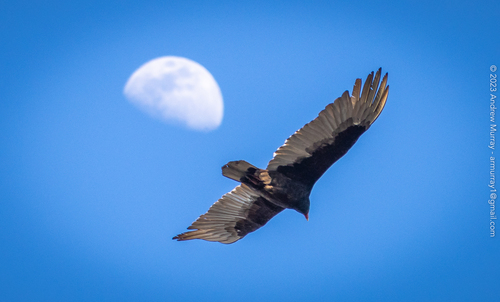
Turkey Vulture (Cathartes aura) Turkey Vulture
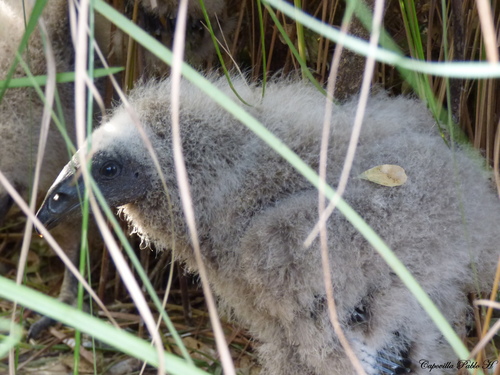
Lesser Yellow-headed Vulture (Cathartes burrovianus) Lesser Yellow-headed Vulture

Media

Loading…

In short

The most reliable field mark between Turkey Vulture and Lesser Yellow-headed Vulture is the color and pattern of the bare head: Turkey Vulture adults have a solid red head, while Lesser Yellow-headed Vultures show a yellow to orange head with blue-gray and reddish areas. In flight, Turkey Vultures display striking silvery-gray undersides to the flight feathers, contrasting with dark wing linings, whereas Lesser Yellow-headed Vultures have a more uniform blackish underwing. Juveniles of both species have duller, dusky heads, but Turkey Vulture immatures are gray-headed and Lesser Yellow-headed Vultures are browner overall with a dusky head and white nape. Structure also helps: Turkey Vulture is larger, longer-tailed, and appears more 'eagle-like' in flight, while Lesser Yellow-headed is smaller, shorter-tailed, and often flies lower over wetlands. Use a combination of head color, underwing pattern, and size for the most reliable separation.

Identification tips

  1. Head color (adults): Turkey Vulture has a solid red, featherless head; Lesser Yellow-headed Vulture has a yellow to orange head with reddish and blue-gray areas. This is the most reliable mark on perched or close-flying adults.
  2. Head color (immatures): Immature Turkey Vultures have a gray head with a black beak tip; Lesser Yellow-headed immatures show a dusky head and a white nape. Use this for birds lacking bright adult head colors.
  3. Underwing pattern (all ages): In flight, Turkey Vulture shows silvery-gray undersides to the flight feathers, strongly contrasting with dark wing linings. Lesser Yellow-headed Vulture's underwing is more uniformly dark and lacks this sharp contrast.
  4. Tail shape and length: Turkey Vulture has a long, slim tail, giving a stretched, almost 'eagle-like' silhouette in flight. Lesser Yellow-headed has a shorter, rounded tail, and the closed wing tips extend beyond the tail.
  5. Body size and bulk: Turkey Vulture is larger and bulkier, especially in the northern part of its range. Lesser Yellow-headed is smaller, lighter, and more slender overall.
  6. Leg color: Lesser Yellow-headed Vulture has white legs; Turkey Vulture's legs are pink-skinned but often appear white due to uric acid staining—this can be misleading, so use with caution.
  7. Iris color: Lesser Yellow-headed has red irises; Turkey Vulture's are gray-brown. This is subtle and rarely visible in the field.
  8. Bill shape: Turkey Vulture's bill is relatively short, hooked, and ivory-colored; Lesser Yellow-headed's is flesh-colored but less strongly hooked. This is best seen at close range.
  9. Flight style: Turkey Vulture soars high in wide circles, often with wings held in a shallow dihedral (V-shape), and is frequently seen in groups. Lesser Yellow-headed Vulture flies lower, glides over wetlands, and is usually solitary.
  10. Habitat context: Turkey Vulture is found in a wide range of open and semi-open habitats, including dry uplands and forests. Lesser Yellow-headed prefers open, seasonally wet grasslands, swamps, and marshes—if you see a vulture over a flooded plain, consider Lesser Yellow-headed.
  11. Roosting behavior: Turkey Vultures often roost communally in large groups on dead trees or man-made structures; Lesser Yellow-headed is rarely found in groups and prefers low perches.
  12. Plumage gloss: Lesser Yellow-headed Vulture has a greenish sheen to its black plumage, while Turkey Vulture is more brownish-black and lacks this gloss.
  13. Nape color (immatures): Immature Lesser Yellow-headed Vultures have a white nape, which can help separate them from immature Turkey Vultures.
  14. Distribution: If you are north of Mexico, Lesser Yellow-headed is highly unlikely; Turkey Vulture is widespread throughout the Americas.
  15. Pitfalls: Both species can show white-stained legs, and immatures of both have duller head colors—always combine several marks, especially for young birds or distant flight views.

Size

Turkey Vulture is noticeably larger, measuring 62–81 cm in length with a wingspan of 150–200 cm and weighing 0.8–2.41 kg (northern birds averaging 2 kg). Lesser Yellow-headed Vulture is smaller and lighter, at 53–66 cm long, wingspan 150–165 cm, and weight 0.95–1.55 kg. Although their wingspans can overlap, Turkey Vulture is bulkier and longer-tailed, making it appear more imposing in flight. Lesser Yellow-headed is the lightest and smallest New World vulture, with a relatively short, rounded tail.

Plumage

For immatures, Turkey Vultures have a gray head with a black beak tip, while Lesser Yellow-headed Vultures are browner overall, with a dusky head and a white nape. Adult Turkey Vultures show a brownish-black body with a distinctive silvery-gray contrast on the underside of the flight feathers, especially obvious in flight, and a solid red, featherless head. Lesser Yellow-headed Vultures are black with a greenish sheen, and their bare head and neck are yellow to orange with reddish and blue-gray areas; their underwings lack the strong silvery contrast of Turkey Vulture. Lesser Yellow-headed's legs are white, while Turkey Vulture's are pinkish but often stained white. Both species have flesh-colored beaks, but Turkey Vulture's is more hooked and ivory-colored. Both have similar eye-lash patterns, but Lesser Yellow-headed has red irises versus Turkey Vulture's gray-brown.

Behaviour

Turkey Vultures are highly gregarious, often seen roosting and soaring in large groups, and are frequently encountered in a wide range of open habitats. Lesser Yellow-headed Vultures are more solitary, typically flying alone and rarely found in groups. Turkey Vultures soar high and use thermals extensively, while Lesser Yellow-headed Vultures prefer low-altitude gliding over wetlands and grasslands, often perching on low posts. Both species use static soaring, but Turkey Vulture is more likely to be seen at higher altitudes and in communal roosts.

Habitat

Turkey Vulture occupies a broad range of open and semi-open habitats, from subtropical forests and shrublands to pastures and deserts, and is widespread from southern Canada to southern South America. Lesser Yellow-headed Vulture is more restricted to seasonally wet or flooded lowland grasslands, swamps, and degraded former forests, mainly in Mexico, Central America, and South America. If you see a vulture over dry uplands or in a large group, Turkey Vulture is more likely; over open wet savannas or marshes, especially alone, Lesser Yellow-headed is favored.

Voice

Both species lack a syrinx and are limited to hisses and grunts; vocalizations are not useful for separation.

Submit a better description

Use the same sections as the comparison. Your text is published immediately.

The most reliable field mark between Turkey Vulture and Lesser Yellow-headed Vulture is the color and pattern of the bare head: Turkey Vulture adults have a solid red head, while Lesser Yellow-headed Vultures show a yellow to orange head with blue-gray and reddish areas. In flight, Turkey Vultures display striking silvery-gray undersides to the flight feathers, contrasting with dark wing linings, whereas Lesser Yellow-headed Vultures have a more uniform blackish underwing. Juveniles of both species have duller, dusky heads, but Turkey Vulture immatures are gray-headed and Lesser Yellow-headed Vultures are browner overall with a dusky head and white nape. Structure also helps: Turkey Vulture is larger, longer-tailed, and appears more 'eagle-like' in flight, while Lesser Yellow-headed is smaller, shorter-tailed, and often flies lower over wetlands. Use a combination of head color, underwing pattern, and size for the most reliable separation.

  1. Head color (adults): Turkey Vulture has a solid red, featherless head; Lesser Yellow-headed Vulture has a yellow to orange head with reddish and blue-gray areas. This is the most reliable mark on perched or close-flying adults.
  2. Head color (immatures): Immature Turkey Vultures have a gray head with a black beak tip; Lesser Yellow-headed immatures show a dusky head and a white nape. Use this for birds lacking bright adult head colors.
  3. Underwing pattern (all ages): In flight, Turkey Vulture shows silvery-gray undersides to the flight feathers, strongly contrasting with dark wing linings. Lesser Yellow-headed Vulture's underwing is more uniformly dark and lacks this sharp contrast.
  4. Tail shape and length: Turkey Vulture has a long, slim tail, giving a stretched, almost 'eagle-like' silhouette in flight. Lesser Yellow-headed has a shorter, rounded tail, and the closed wing tips extend beyond the tail.
  5. Body size and bulk: Turkey Vulture is larger and bulkier, especially in the northern part of its range. Lesser Yellow-headed is smaller, lighter, and more slender overall.
  6. Leg color: Lesser Yellow-headed Vulture has white legs; Turkey Vulture's legs are pink-skinned but often appear white due to uric acid staining—this can be misleading, so use with caution.
  7. Iris color: Lesser Yellow-headed has red irises; Turkey Vulture's are gray-brown. This is subtle and rarely visible in the field.
  8. Bill shape: Turkey Vulture's bill is relatively short, hooked, and ivory-colored; Lesser Yellow-headed's is flesh-colored but less strongly hooked. This is best seen at close range.
  9. Flight style: Turkey Vulture soars high in wide circles, often with wings held in a shallow dihedral (V-shape), and is frequently seen in groups. Lesser Yellow-headed Vulture flies lower, glides over wetlands, and is usually solitary.
  10. Habitat context: Turkey Vulture is found in a wide range of open and semi-open habitats, including dry uplands and forests. Lesser Yellow-headed prefers open, seasonally wet grasslands, swamps, and marshes—if you see a vulture over a flooded plain, consider Lesser Yellow-headed.
  11. Roosting behavior: Turkey Vultures often roost communally in large groups on dead trees or man-made structures; Lesser Yellow-headed is rarely found in groups and prefers low perches.
  12. Plumage gloss: Lesser Yellow-headed Vulture has a greenish sheen to its black plumage, while Turkey Vulture is more brownish-black and lacks this gloss.
  13. Nape color (immatures): Immature Lesser Yellow-headed Vultures have a white nape, which can help separate them from immature Turkey Vultures.
  14. Distribution: If you are north of Mexico, Lesser Yellow-headed is highly unlikely; Turkey Vulture is widespread throughout the Americas.
  15. Pitfalls: Both species can show white-stained legs, and immatures of both have duller head colors—always combine several marks, especially for young birds or distant flight views.

Turkey Vulture is noticeably larger, measuring 62–81 cm in length with a wingspan of 150–200 cm and weighing 0.8–2.41 kg (northern birds averaging 2 kg). Lesser Yellow-headed Vulture is smaller and lighter, at 53–66 cm long, wingspan 150–165 cm, and weight 0.95–1.55 kg. Although their wingspans can overlap, Turkey Vulture is bulkier and longer-tailed, making it appear more imposing in flight. Lesser Yellow-headed is the lightest and smallest New World vulture, with a relatively short, rounded tail.

For immatures, Turkey Vultures have a gray head with a black beak tip, while Lesser Yellow-headed Vultures are browner overall, with a dusky head and a white nape. Adult Turkey Vultures show a brownish-black body with a distinctive silvery-gray contrast on the underside of the flight feathers, especially obvious in flight, and a solid red, featherless head. Lesser Yellow-headed Vultures are black with a greenish sheen, and their bare head and neck are yellow to orange with reddish and blue-gray areas; their underwings lack the strong silvery contrast of Turkey Vulture. Lesser Yellow-headed's legs are white, while Turkey Vulture's are pinkish but often stained white. Both species have flesh-colored beaks, but Turkey Vulture's is more hooked and ivory-colored. Both have similar eye-lash patterns, but Lesser Yellow-headed has red irises versus Turkey Vulture's gray-brown.

Turkey Vultures are highly gregarious, often seen roosting and soaring in large groups, and are frequently encountered in a wide range of open habitats. Lesser Yellow-headed Vultures are more solitary, typically flying alone and rarely found in groups. Turkey Vultures soar high and use thermals extensively, while Lesser Yellow-headed Vultures prefer low-altitude gliding over wetlands and grasslands, often perching on low posts. Both species use static soaring, but Turkey Vulture is more likely to be seen at higher altitudes and in communal roosts.

Turkey Vulture occupies a broad range of open and semi-open habitats, from subtropical forests and shrublands to pastures and deserts, and is widespread from southern Canada to southern South America. Lesser Yellow-headed Vulture is more restricted to seasonally wet or flooded lowland grasslands, swamps, and degraded former forests, mainly in Mexico, Central America, and South America. If you see a vulture over dry uplands or in a large group, Turkey Vulture is more likely; over open wet savannas or marshes, especially alone, Lesser Yellow-headed is favored.

Both species lack a syrinx and are limited to hisses and grunts; vocalizations are not useful for separation.

Discard your changes?

You have unsaved edits. If you leave now, those changes will be lost.

Turkey Vulture · Lesser Yellow-headed Vulture · My Tricky Birds