

Turkey Vulture vs Lesser Yellow-headed Vulture
Cathartes aura contro Cathartes burrovianus
Fai un quiz con Turkey Vulture e Lesser Yellow-headed Vulture
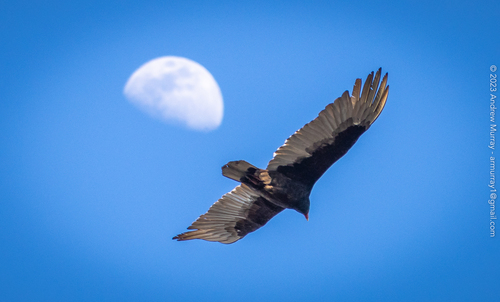 Turkey Vulture
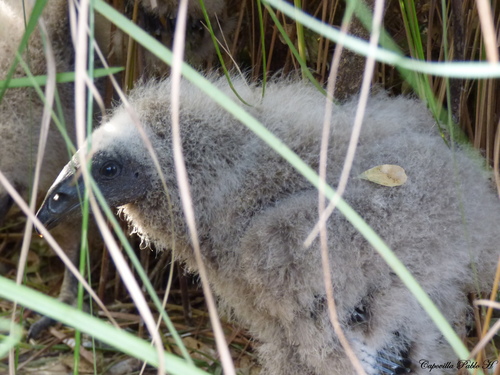 Lesser Yellow-headed Vulture
In breve
Il segno di campo più affidabile tra il Turkey Vulture e il Lesser Yellow-headed Vulture è il colore e il motivo della testa nuda: gli adulti del Turkey Vulture hanno una testa rossa solida, mentre i Lesser Yellow-headed Vultures mostrano una testa gialla-arancione con aree blu-grigie e rossastre. In volo, i Turkey Vultures mostrano un sorprendente sottocoda grigio argento nelle penne alari, in contrasto con le linee scure delle ali, mentre i Lesser Yellow-headed Vultures hanno un sottocoda più uniforme di colore nerastro. I giovani di entrambe le specie hanno teste più opache e scure, ma i giovani Turkey Vulture hanno la testa grigia e i Lesser Yellow-headed Vultures sono complessivamente più marroni con una testa scura e una nuca bianca. Anche la struttura aiuta: il Turkey Vulture è più grande, con una coda più lunga, e appare più 'simile a un'aquila' in volo, mentre il Lesser Yellow-headed è più piccolo, con una coda più corta, e spesso vola più in basso sopra le zone umide. Usa una combinazione di colore della testa, motivo del sottocoda e dimensioni per la separazione più affidabile.
Consigli di identificazione
- Colore della testa (adulti): Il Turkey Vulture ha una testa rossa solida e senza piume; il Lesser Yellow-headed Vulture ha una testa gialla-arancione con aree rossastre e blu-grigie. Questo è il segno più affidabile su adulti posati o in volo ravvicinato.
- Colore della testa (immaturi): I giovani Turkey Vultures hanno una testa grigia con una punta di becco nera; i giovani Lesser Yellow-headed mostrano una testa scura e una nuca bianca. Usa questo per gli uccelli privi di colori vivaci della testa adulta.
- Motivo del sottocoda (tutte le età): In volo, il Turkey Vulture mostra un sottocoda grigio argento nelle penne alari, in forte contrasto con le linee scure delle ali. Il sottocoda del Lesser Yellow-headed Vulture è più uniformemente scuro e manca di questo forte contrasto.
- Forma e lunghezza della coda: Il Turkey Vulture ha una coda lunga e sottile, dando un profilo allungato, quasi 'simile a un'aquila' in volo. Il Lesser Yellow-headed ha una coda più corta e arrotondata, e le punte delle ali chiuse si estendono oltre la coda.
- Dimensioni e robustezza del corpo: Il Turkey Vulture è più grande e più robusto, specialmente nella parte settentrionale del suo areale. Il Lesser Yellow-headed è più piccolo, più leggero e più snello nel complesso.
- Colore delle zampe: Il Lesser Yellow-headed Vulture ha zampe bianche; le zampe del Turkey Vulture sono di pelle rosa ma spesso appaiono bianche a causa delle macchie di acido urico—questo può essere fuorviante, quindi usa con cautela.
- Colore dell'iride: Il Lesser Yellow-headed ha iridi rosse; quelle del Turkey Vulture sono grigio-marroni. Questo è sottile e raramente visibile sul campo.
- Forma del becco: Il becco del Turkey Vulture è relativamente corto, ricurvo e di colore avorio; quello del Lesser Yellow-headed è di colore carne ma meno ricurvo. Questo è meglio visto da vicino.
- Stile di volo: Il Turkey Vulture vola in alto in ampi cerchi, spesso con le ali tenute in un dihedro poco profondo (forma a V), ed è frequentemente visto in gruppi. Il Lesser Yellow-headed Vulture vola più in basso, planando sopra le zone umide, ed è solitamente solitario.
- Contesto dell'habitat: Il Turkey Vulture si trova in una vasta gamma di habitat aperti e semi-aperti, comprese le terre alte secche e le foreste. Il Lesser Yellow-headed preferisce praterie aperte, stagionalmente umide, paludi e acquitrini—se vedi un avvoltoio su una pianura allagata, considera il Lesser Yellow-headed.
- Comportamento di posato: I Turkey Vultures spesso si posano comunemente in grandi gruppi su alberi morti o strutture artificiali; il Lesser Yellow-headed è raramente trovato in gruppi e preferisce posatoi bassi.
- Lucentezza del piumaggio: Il Lesser Yellow-headed Vulture ha una lucentezza verdognola nel suo piumaggio nero, mentre il Turkey Vulture è più marrone-nero e manca di questa lucentezza.
- Colore della nuca (immaturi): I giovani Lesser Yellow-headed Vultures hanno una nuca bianca, che può aiutare a separarli dai giovani Turkey Vultures.
- Distribuzione: Se sei a nord del Messico, il Lesser Yellow-headed è altamente improbabile; il Turkey Vulture è diffuso in tutto il continente americano.
- Trappole: Entrambe le specie possono mostrare zampe macchiate di bianco, e i giovani di entrambe hanno colori della testa più opachi—combina sempre diversi segni, specialmente per gli uccelli giovani o per visuali di volo distanti.
Taglia
Il Turkey Vulture è notevolmente più grande, misurando 62–81 cm di lunghezza con un'apertura alare di 150–200 cm e pesando 0.8–2.41 kg (gli uccelli settentrionali pesano in media 2 kg). Il Lesser Yellow-headed Vulture è più piccolo e leggero, con una lunghezza di 53–66 cm, apertura alare di 150–165 cm e peso di 0.95–1.55 kg. Anche se le loro aperture alari possono sovrapporsi, il Turkey Vulture è più robusto e con una coda più lunga, facendolo apparire più imponente in volo. Il Lesser Yellow-headed è l'avvoltoio del Nuovo Mondo più leggero e più piccolo, con una coda relativamente corta e arrotondata.
Piumaggio
Per gli immaturi, i Turkey Vultures hanno una testa grigia con una punta di becco nera, mentre i Lesser Yellow-headed Vultures sono complessivamente più marroni, con una testa scura e una nuca bianca. Gli adulti del Turkey Vulture mostrano un corpo marrone-nero con un contrasto distintivo grigio argento sul lato inferiore delle penne alari, particolarmente evidente in volo, e una testa rossa solida e senza piume. I Lesser Yellow-headed Vultures sono neri con una lucentezza verdognola, e la loro testa e collo nudi sono gialli-arancioni con aree rossastre e blu-grigie; i loro sottocoda mancano del forte contrasto argentato del Turkey Vulture. Le zampe del Lesser Yellow-headed sono bianche, mentre quelle del Turkey Vulture sono rosa ma spesso macchiate di bianco. Entrambe le specie hanno becchi di colore carne, ma quello del Turkey Vulture è più ricurvo e di colore avorio. Entrambi hanno schemi di ciglia simili, ma il Lesser Yellow-headed ha iridi rosse rispetto a quelle grigio-marroni del Turkey Vulture.
Comportamento
I Turkey Vultures sono altamente gregari, spesso visti posati e planando in grandi gruppi, e sono frequentemente incontrati in una vasta gamma di habitat aperti. I Lesser Yellow-headed Vultures sono più solitari, tipicamente volando da soli e raramente trovati in gruppi. I Turkey Vultures planano in alto e usano ampiamente le termiche, mentre i Lesser Yellow-headed Vultures preferiscono planare a bassa quota sopra le zone umide e le praterie, spesso posandosi su pali bassi. Entrambe le specie usano il volo statico, ma il Turkey Vulture è più probabile essere visto a quote più elevate e in posatoi comuni.
Habitat
Il Turkey Vulture occupa una vasta gamma di habitat aperti e semi-aperti, da foreste subtropicali e arbusteti a pascoli e deserti, ed è diffuso dal Canada meridionale fino al sud America. Il Lesser Yellow-headed Vulture è più ristretto a praterie umide o allagate, paludi e foreste degradate, principalmente in Messico, America Centrale e Sud America. Se vedi un avvoltoio su terre alte secche o in un grande gruppo, è più probabile che sia un Turkey Vulture; su savane umide aperte o paludi, specialmente da solo, è favorito il Lesser Yellow-headed.
Voce
Entrambe le specie mancano di un syrinx e sono limitate a sibili e grugniti; le vocalizzazioni non sono utili per la separazione.
Turkey Vulture · Lesser Yellow-headed Vulture · I miei uccelli difficili