

Motmot

ヒメコンドル 対 キガシラコンドル

Cathartes aura 対 Cathartes burrovianus

ヒメコンドルとキガシラコンドルのクイズ
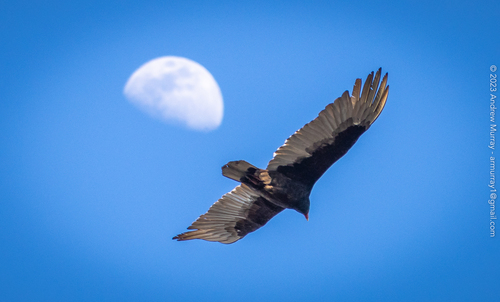
ヒメコンドル (Cathartes aura) ヒメコンドル
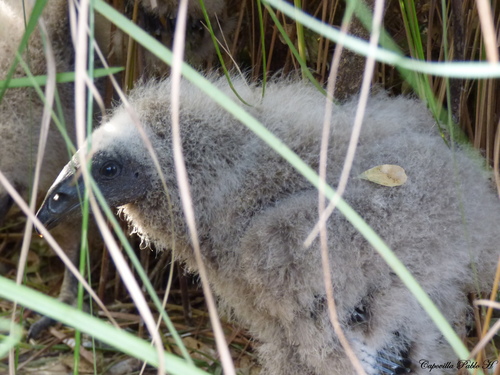
キガシラコンドル (Cathartes burrovianus) キガシラコンドル

メディア

読み込み中…

要点

トルココンドルとキガシラコンドルの最も信頼できるフィールドマークは、裸の頭の色とパターンです:トルココンドルの成鳥は固体の赤い頭を持ち、キガシラコンドルは青灰色と赤褐色の部分を持つ黄色からオレンジの頭を示します。飛行中、トルココンドルは飛行羽の下側に際立った銀灰色の色合いを示し、暗い翼の裏地と対照的です。一方、キガシラコンドルはより均一な黒っぽい下翼を持っています。両種の幼鳥は鈍い、くすんだ頭を持っていますが、トルココンドルの未成熟個体は灰色の頭を持ち、キガシラコンドルは全体的に茶色がかり、くすんだ頭と白いうなじを持っています。構造も役立ちます:トルココンドルは大きく、尾が長く、飛行中はより「ワシのように」見えますが、キガシラコンドルは小さく、尾が短く、湿地の上を低く飛ぶことが多いです。最も信頼できる区別のために、頭の色、下翼のパターン、サイズの組み合わせを使用してください。

識別のコツ

  1. 頭の色(成鳥): トルココンドルは固体の赤い羽のない頭を持ち、キガシラコンドルは赤褐色と青灰色の部分を持つ黄色からオレンジの頭を持っています。これは、止まっているか近くを飛んでいる成鳥の最も信頼できるマークです。
  2. 頭の色(未成熟): 未成熟のトルココンドルは黒いくちばしの先を持つ灰色の頭を持ち、キガシラコンドルの未成熟個体はくすんだ頭と白いうなじを示します。これは明るい成鳥の頭の色が欠けている鳥に使用してください。
  3. 下翼のパターン(全年齢): 飛行中、トルココンドルは飛行羽の下側に銀灰色の色合いを示し、暗い翼の裏地と強く対照的です。キガシラコンドルの下翼はより均一に暗く、この鋭い対比が欠けています。
  4. 尾の形と長さ: トルココンドルは長く細い尾を持ち、飛行中に伸びた、ほぼ「ワシのような」シルエットを与えます。キガシラコンドルは短く丸い尾を持ち、閉じた翼の先端が尾を超えています。
  5. 体のサイズと体格: トルココンドルは大きく、特にその分布の北部では体格が大きいです。キガシラコンドルは小さく、軽く、全体的に細身です。
  6. 足の色: キガシラコンドルは白い足を持ち、トルココンドルの足はピンク色の皮膚を持っていますが、尿酸の染みのために白く見えることが多いです—これは誤解を招く可能性があるので、注意して使用してください。
  7. 虹彩の色: キガシラコンドルは赤い虹彩を持ち、トルココンドルは灰褐色です。これは微妙で、フィールドではめったに見えません。
  8. くちばしの形: トルココンドルのくちばしは比較的短く、フック状で象牙色です。キガシラコンドルのくちばしは肉色ですが、フック状がそれほど強くありません。これは近距離で最もよく見えます。
  9. 飛行スタイル: トルココンドルは広い円を描いて高く舞い上がり、しばしば翼を浅い二等辺三角形(V字型)に保ち、グループで見られることが多いです。キガシラコンドルは低く飛び、湿地の上を滑空し、通常は孤独です。
  10. 生息地の文脈: トルココンドルは乾燥した高地や森林を含む広範な開放的および半開放的な生息地に見られます。キガシラコンドルは開放的で季節的に湿った草原、湿地、沼地を好みます—もし洪水に見舞われた平原の上にコンドルを見たら、キガシラコンドルを考慮してください。
  11. 休息行動: トルココンドルはしばしば死んだ木や人工構造物の上で大きな群れで共に休息します。キガシラコンドルは群れで見られることはまれで、低い止まり木を好みます。
  12. 羽毛の光沢: キガシラコンドルは黒い羽毛に緑がかった光沢を持ち、トルココンドルはより茶色がかった黒でこの光沢が欠けています。
  13. うなじの色(未成熟): 未成熟のキガシラコンドルは白いうなじを持ち、これが未成熟のトルココンドルと区別するのに役立ちます。
  14. 分布: メキシコの北にいる場合、キガシラコンドルは非常に可能性が低いです。トルココンドルはアメリカ大陸全体に広く分布しています。
  15. 落とし穴: 両種は白い染みのある足を示すことがあり、両方の未成熟個体は鈍い頭の色を持っています—特に若い鳥や遠くの飛行ビューの場合は、常にいくつかのマークを組み合わせてください。

大きさ

トルココンドルは明らかに大きく、体長62〜81 cm、翼幅150〜200 cm、体重0.8〜2.41 kg(北部の鳥は平均2 kg)です。キガシラコンドルは小さく軽く、体長53〜66 cm、翼幅150〜165 cm、体重0.95〜1.55 kgです。翼幅は重なることがありますが、トルココンドルは体格が大きく、尾が長いため、飛行中により威圧的に見えます。キガシラコンドルは最も軽く、最小の新世界のコンドルで、比較的短く丸い尾を持っています。

羽色

未成熟のトルココンドルは黒いくちばしの先を持つ灰色の頭を持ち、キガシラコンドルは全体的に茶色がかり、くすんだ頭と白いうなじを持っています。成鳥のトルココンドルは茶色がかった黒い体を示し、特に飛行中に飛行羽の下側に際立った銀灰色のコントラストがあります。キガシラコンドルは黒で緑がかった光沢を持ち、裸の頭と首は赤からオレンジで、赤褐色と青灰色の部分があります。彼らの下翼はトルココンドルの強い銀色のコントラストが欠けています。キガシラコンドルの足は白いですが、トルココンドルの足はピンクがかっていますが、しばしば白く染まっています。両種は肉色のくちばしを持っていますが、トルココンドルのくちばしはよりフック状で象牙色です。両者は似たようなまつげのパターンを持っていますが、キガシラコンドルは赤い虹彩を持ち、トルココンドルは灰褐色です。

行動

トルココンドルは非常に群れを成す性質があり、大きな群れで休息し、飛翔しているのがよく見られ、広範な開放的な生息地で頻繁に遭遇します。キガシラコンドルはより孤独で、通常は一人で飛び、群れで見られることはまれです。トルココンドルは高く舞い上がり、熱上昇気流を広く利用しますが、キガシラコンドルは湿地や草原の上を低高度で滑空することを好み、低いポストに止まることが多いです。両種は静的な滑空を使用しますが、トルココンドルはより高い高度で、共同の休息地で見られる可能性が高いです。

生息環境

トルココンドルは亜熱帯の森林や低木地から牧草地や砂漠まで、広範な開放的および半開放的な生息地を占めており、南カナダから南アメリカまで広く分布しています。キガシラコンドルは季節的に湿ったまたは洪水の低地の草原、湿地、劣化した旧森林により制限されており、主にメキシコ、中米、南アメリカに分布しています。乾燥した高地や大きな群れの上にコンドルを見た場合、トルココンドルの可能性が高く、開放的な湿ったサバンナや沼地の上、特に一人でいる場合はキガシラコンドルが好まれます。

声

両種はシリンジを欠き、シューという音やうめき声に制限されています;声の発声は区別には役立ちません。

より良い説明を送る

比較と同じ項目を使ってください。文章はすぐに公開されます。

The most reliable field mark between Turkey Vulture and Lesser Yellow-headed Vulture is the color and pattern of the bare head: Turkey Vulture adults have a solid red head, while Lesser Yellow-headed Vultures show a yellow to orange head with blue-gray and reddish areas. In flight, Turkey Vultures display striking silvery-gray undersides to the flight feathers, contrasting with dark wing linings, whereas Lesser Yellow-headed Vultures have a more uniform blackish underwing. Juveniles of both species have duller, dusky heads, but Turkey Vulture immatures are gray-headed and Lesser Yellow-headed Vultures are browner overall with a dusky head and white nape. Structure also helps: Turkey Vulture is larger, longer-tailed, and appears more 'eagle-like' in flight, while Lesser Yellow-headed is smaller, shorter-tailed, and often flies lower over wetlands. Use a combination of head color, underwing pattern, and size for the most reliable separation.

  1. Head color (adults): Turkey Vulture has a solid red, featherless head; Lesser Yellow-headed Vulture has a yellow to orange head with reddish and blue-gray areas. This is the most reliable mark on perched or close-flying adults.
  2. Head color (immatures): Immature Turkey Vultures have a gray head with a black beak tip; Lesser Yellow-headed immatures show a dusky head and a white nape. Use this for birds lacking bright adult head colors.
  3. Underwing pattern (all ages): In flight, Turkey Vulture shows silvery-gray undersides to the flight feathers, strongly contrasting with dark wing linings. Lesser Yellow-headed Vulture's underwing is more uniformly dark and lacks this sharp contrast.
  4. Tail shape and length: Turkey Vulture has a long, slim tail, giving a stretched, almost 'eagle-like' silhouette in flight. Lesser Yellow-headed has a shorter, rounded tail, and the closed wing tips extend beyond the tail.
  5. Body size and bulk: Turkey Vulture is larger and bulkier, especially in the northern part of its range. Lesser Yellow-headed is smaller, lighter, and more slender overall.
  6. Leg color: Lesser Yellow-headed Vulture has white legs; Turkey Vulture's legs are pink-skinned but often appear white due to uric acid staining—this can be misleading, so use with caution.
  7. Iris color: Lesser Yellow-headed has red irises; Turkey Vulture's are gray-brown. This is subtle and rarely visible in the field.
  8. Bill shape: Turkey Vulture's bill is relatively short, hooked, and ivory-colored; Lesser Yellow-headed's is flesh-colored but less strongly hooked. This is best seen at close range.
  9. Flight style: Turkey Vulture soars high in wide circles, often with wings held in a shallow dihedral (V-shape), and is frequently seen in groups. Lesser Yellow-headed Vulture flies lower, glides over wetlands, and is usually solitary.
  10. Habitat context: Turkey Vulture is found in a wide range of open and semi-open habitats, including dry uplands and forests. Lesser Yellow-headed prefers open, seasonally wet grasslands, swamps, and marshes—if you see a vulture over a flooded plain, consider Lesser Yellow-headed.
  11. Roosting behavior: Turkey Vultures often roost communally in large groups on dead trees or man-made structures; Lesser Yellow-headed is rarely found in groups and prefers low perches.
  12. Plumage gloss: Lesser Yellow-headed Vulture has a greenish sheen to its black plumage, while Turkey Vulture is more brownish-black and lacks this gloss.
  13. Nape color (immatures): Immature Lesser Yellow-headed Vultures have a white nape, which can help separate them from immature Turkey Vultures.
  14. Distribution: If you are north of Mexico, Lesser Yellow-headed is highly unlikely; Turkey Vulture is widespread throughout the Americas.
  15. Pitfalls: Both species can show white-stained legs, and immatures of both have duller head colors—always combine several marks, especially for young birds or distant flight views.

Turkey Vulture is noticeably larger, measuring 62–81 cm in length with a wingspan of 150–200 cm and weighing 0.8–2.41 kg (northern birds averaging 2 kg). Lesser Yellow-headed Vulture is smaller and lighter, at 53–66 cm long, wingspan 150–165 cm, and weight 0.95–1.55 kg. Although their wingspans can overlap, Turkey Vulture is bulkier and longer-tailed, making it appear more imposing in flight. Lesser Yellow-headed is the lightest and smallest New World vulture, with a relatively short, rounded tail.

For immatures, Turkey Vultures have a gray head with a black beak tip, while Lesser Yellow-headed Vultures are browner overall, with a dusky head and a white nape. Adult Turkey Vultures show a brownish-black body with a distinctive silvery-gray contrast on the underside of the flight feathers, especially obvious in flight, and a solid red, featherless head. Lesser Yellow-headed Vultures are black with a greenish sheen, and their bare head and neck are yellow to orange with reddish and blue-gray areas; their underwings lack the strong silvery contrast of Turkey Vulture. Lesser Yellow-headed's legs are white, while Turkey Vulture's are pinkish but often stained white. Both species have flesh-colored beaks, but Turkey Vulture's is more hooked and ivory-colored. Both have similar eye-lash patterns, but Lesser Yellow-headed has red irises versus Turkey Vulture's gray-brown.

Turkey Vultures are highly gregarious, often seen roosting and soaring in large groups, and are frequently encountered in a wide range of open habitats. Lesser Yellow-headed Vultures are more solitary, typically flying alone and rarely found in groups. Turkey Vultures soar high and use thermals extensively, while Lesser Yellow-headed Vultures prefer low-altitude gliding over wetlands and grasslands, often perching on low posts. Both species use static soaring, but Turkey Vulture is more likely to be seen at higher altitudes and in communal roosts.

Turkey Vulture occupies a broad range of open and semi-open habitats, from subtropical forests and shrublands to pastures and deserts, and is widespread from southern Canada to southern South America. Lesser Yellow-headed Vulture is more restricted to seasonally wet or flooded lowland grasslands, swamps, and degraded former forests, mainly in Mexico, Central America, and South America. If you see a vulture over dry uplands or in a large group, Turkey Vulture is more likely; over open wet savannas or marshes, especially alone, Lesser Yellow-headed is favored.

Both species lack a syrinx and are limited to hisses and grunts; vocalizations are not useful for separation.

変更を破棄しますか?

保存していない編集があります。今離れると失われます。

ヒメコンドル · キガシラコンドル · 苦手な鳥