
Pine Bunting vs Rustic Bunting
Emberiza leucocephalos versus Emberiza rustica
Play a quiz with Pine Bunting and Rustic Bunting
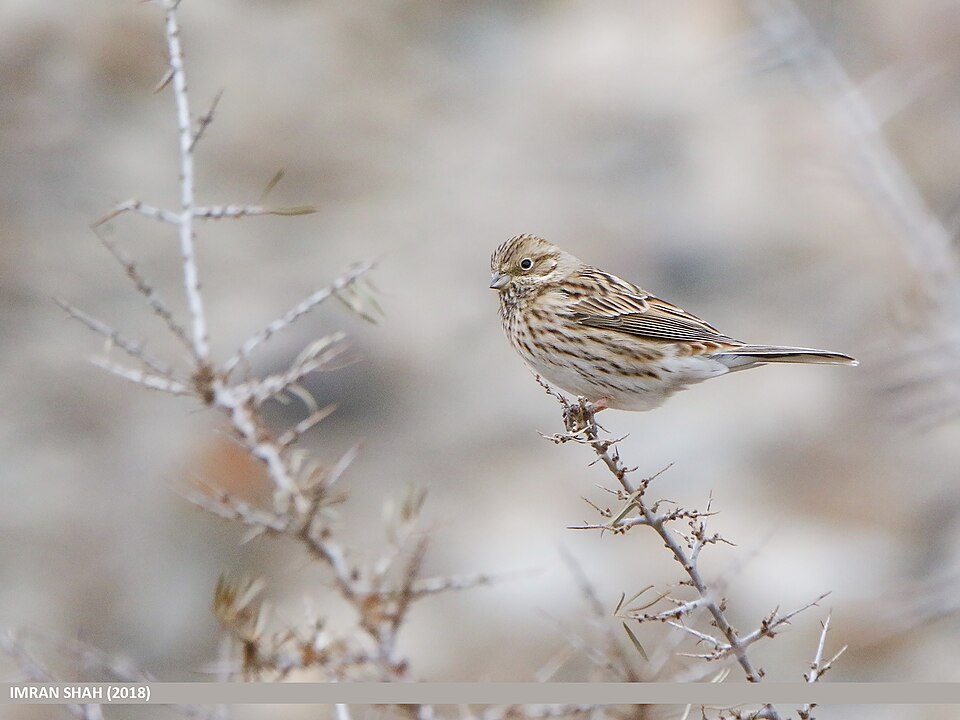 Pine Bunting
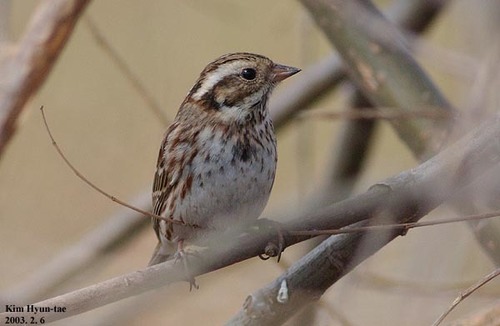 Rustic Bunting
In short
The most reliable field mark between Pine Bunting and Rustic Bunting is the head and face pattern in adult males: Pine Bunting males show a white crown and cheeks with chestnut forehead and throat, while Rustic Bunting males have a black head, white throat and supercilium, and a reddish breast band. Females and non-breeding birds are trickier, but Pine Bunting is bulkier with a thicker bill and lacks the reddish flank streaks and chestnut nape of Rustic Bunting. Juvenile and immature wing patterns are not described in detail for either species, so focus on head, underpart, and bill color. Both species are similar in size, but Pine Bunting looks more robust. Watch for subtle differences in face pattern and bill color, especially in duller birds.
Identification tips
- Adult male head pattern: Pine Bunting males have a white crown and cheeks with a chestnut forehead and throat; Rustic Bunting males have a black head, white throat and supercilium, and a reddish breast band. This is the most reliable field mark in spring/summer.
- Female and non-breeding head/face: Female Pine Buntings are dull, with streaked underparts and lack yellow; female Rustic Buntings have a brown face with a whitish supercilium, reddish flank streaks, and a chestnut nape. The supercilium and reddish flanks are key for Rustic.
- Bill color: Rustic Bunting shows a pink lower mandible (especially in females), while Pine Bunting's bill is thicker and lacks the pink tone. This is subtle but useful in good light.
- Underpart streaking: Rustic Bunting (both sexes) shows reddish streaks on the flanks, which Pine Bunting lacks. Pine Bunting has more uniform, streaked brown underparts in females and non-breeding birds.
- Back and nape color: Female Rustic Bunting has a chestnut nape, which is absent in Pine Bunting. Both have streaked brown backs, but only Rustic shows the chestnut nape.
- Overall build: Pine Bunting is more robust and thick-billed, while Rustic Bunting is slimmer and more delicate. This is best judged with direct comparison or experience.
- Non-breeding confusion: Pine Bunting in non-breeding plumage resembles Yellowhammer but with all yellow replaced by white; Rustic Bunting retains reddish flanks and pink bill base year-round.
- Voice: Rustic Bunting's call is a sharp 'zit' and song is a melancholic phrase, while Pine Bunting sounds like Yellowhammer. Use this only if you hear a clear call or song.
- Habitat: Rustic Bunting prefers wet coniferous woodland (taiga), while Pine Bunting is found in more open woodland east of the Urals. In western Europe, Rustic is a rare vagrant, Pine Bunting even rarer.
- Hybrid confusion: Pine Bunting × Yellowhammer hybrids can show mixed characters, including yellow in the wings. Rustic Bunting does not hybridize with Pine Bunting, so yellow tones suggest Pine Bunting or hybrid, not Rustic.
- Perched vs. in flight: No distinctive flight or upperwing pattern differences are described for these two species; focus on head, face, and underpart patterns when birds are perched or briefly exposed.
- Leg color: Rustic Bunting has pink legs, which may help in close views, but is not a strong field mark alone.
- Context and range: If you are in dense, wet taiga, Rustic is more likely; in drier, open woodland east of the Urals, Pine Bunting is expected. Both are rare in western Europe, but Rustic is the more likely vagrant.
- Streaking below: Both species are streaked below, but only Rustic Bunting shows reddish streaks on the flanks.
- When in doubt: If you cannot see the head pattern clearly, look for reddish flanks and pink bill (Rustic) versus a more robust, thick-billed, and white-faced bird (Pine).
Size
Both species are similar in length (Pine Bunting: 16–17.5 cm [wikipedia]; Rustic Bunting: similar to Reed Bunting, which is about 13–15.5 cm [wikipedia]), but Pine Bunting is described as more robust and has a thicker, seed-eater's bill. Rustic Bunting has a slimmer build and a more delicate bill, with a distinctive pink lower mandible. In the field, Pine Bunting may appear bulkier and heavier-chested, while Rustic Bunting is daintier.
Plumage
-
Juvenile/immature wing patterns: No detailed upperwing or flight pattern differences are described for either species in the sources. Focus on head and underpart plumage for all ages.
-
Adult male breeding plumage: Pine Bunting males have a white crown and cheeks, chestnut forehead and throat, and a heavily streaked brown back. Rustic Bunting males have a black head, white throat and supercilium, reddish breast band, and reddish flanks.
-
Females and non-breeding birds: Female Pine Buntings are duller overall, with more streaking below and lacking yellow tones (unlike Yellowhammer). Female Rustic Buntings have a brown face with a whitish supercilium, reddish flank streaks, chestnut nape, and a pink lower mandible. Both species have streaked brown backs, but only Rustic Bunting females show reddish flanks and a chestnut nape.
-
Non-breeding/first-winter: Pine Bunting in non-breeding plumage resembles Yellowhammer but with all yellow replaced by white; Rustic Bunting in non-breeding plumage is not described in detail, but retains reddish flank streaks and pink bill base.
Behaviour
No specific behavioral differences are described between these two species in the sources. Both are typical buntings, foraging for seeds and insects, and are likely to be seen perched or foraging on the ground. Rustic Bunting is noted to breed in wet coniferous woodland and may be more associated with dense, damp habitats, while Pine Bunting is found east of the Urals in more open woodland or edge habitats.
Habitat
Pine Bunting breeds in Eurosiberia east of the Urals, typically in open woodland or edge habitats. Rustic Bunting breeds across the northern Palearctic, especially in wet coniferous (taiga) woodland, and winters in southeast Asia, Japan, Korea, and eastern China. Rustic Bunting is a rare vagrant to western Europe, while Pine Bunting is more strictly eastern. If you encounter a bunting in dense, wet coniferous forest, Rustic Bunting is more likely; in more open or drier woodland, Pine Bunting is possible.
Voice
Pine Bunting's song and calls are similar to Yellowhammer, with no unique description in the sources. Rustic Bunting's call is a 'zit', reminiscent of Song Thrush, and its song is a melancholic 'delee-deloo-delee'. In the field, Rustic Bunting's call may stand out as sharper and more thrush-like compared to Pine Bunting's Yellowhammer-like song, but confusion is still possible without direct comparison.