
escrevedeira-de-barrete-branco vs escrevedeira-rústica
Emberiza leucocephalos versus Emberiza rustica
Jogue um quiz com escrevedeira-de-barrete-branco e escrevedeira-rústica
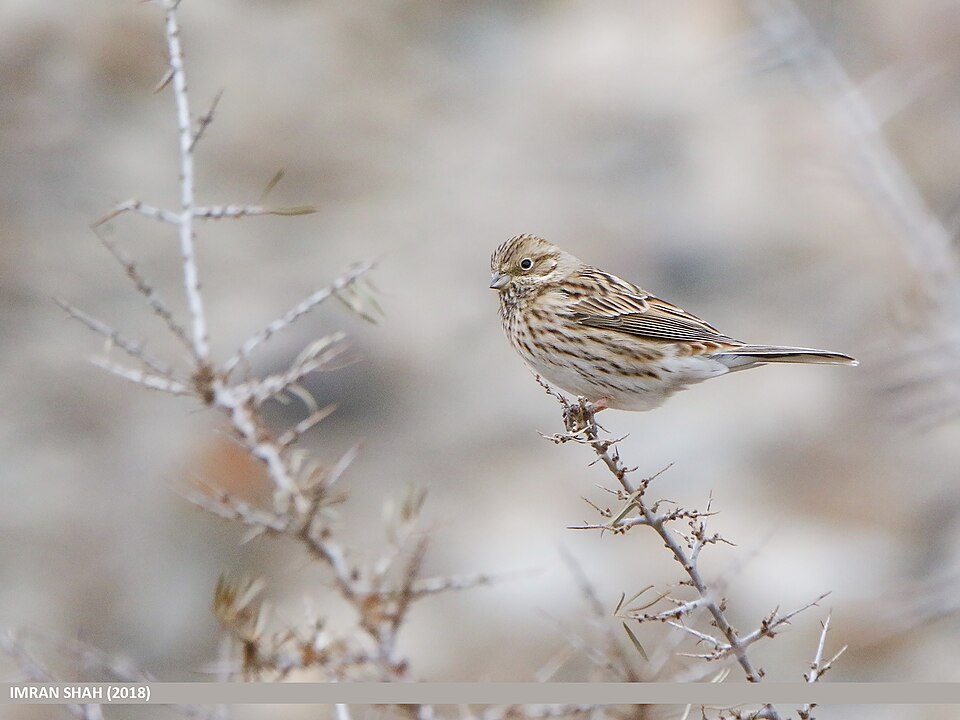 escrevedeira-de-barrete-branco
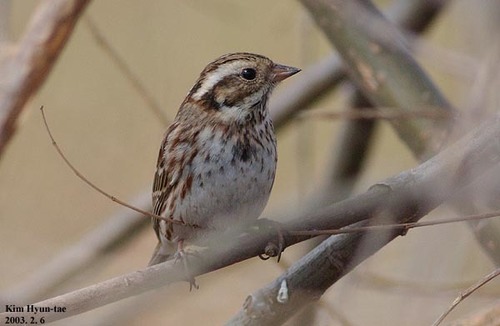 escrevedeira-rústica
Em resumo
A marca de campo mais confiável entre a escrevedeira-de-barrete-branco e a escrevedeira-rústica é o padrão da cabeça e do rosto em machos adultos: os machos da escrevedeira-de-barrete-branco apresentam uma coroa e bochechas brancas com testa e garganta castanhas, enquanto os machos da escrevedeira-rústica têm cabeça preta, garganta e supercílio brancos, e uma faixa peitoral avermelhada. Fêmeas e aves não reprodutoras são mais complicadas, mas a escrevedeira-de-barrete-branco é mais robusta, com um bico mais grosso e não possui as listras laterais avermelhadas e a nuca castanha da escrevedeira-rústica. Os padrões de asas de juvenis e imaturos não são descritos em detalhes para nenhuma das espécies, então concentre-se na cor da cabeça, parte inferior e bico. Ambas as espécies são semelhantes em tamanho, mas a escrevedeira-de-barrete-branco parece mais robusta. Fique atento a diferenças sutis no padrão do rosto e na cor do bico, especialmente em aves mais apagadas.
Dicas de identificação
- Padrão da cabeça do macho adulto: Os machos da escrevedeira-de-barrete-branco têm uma coroa e bochechas brancas com uma testa e garganta castanhas; os machos da escrevedeira-rústica têm cabeça preta, garganta e supercílio brancos, e uma faixa peitoral avermelhada. Esta é a marca de campo mais confiável na primavera/verão.
- Cabeça/rosto de fêmeas e aves não reprodutoras: As fêmeas da escrevedeira-de-barrete-branco são apagadas, com partes inferiores listradas e sem amarelo; as fêmeas da escrevedeira-rústica têm um rosto marrom com um supercílio esbranquiçado, listras laterais avermelhadas e uma nuca castanha. O supercílio e as flancos avermelhados são fundamentais para a escrevedeira-rústica.
- Cor do bico: A escrevedeira-rústica apresenta um mandíbulas inferior rosa (especialmente em fêmeas), enquanto o bico da escrevedeira-de-barrete-branco é mais grosso e não possui o tom rosa. Isso é sutil, mas útil em boa luz.
- Listras na parte inferior: A escrevedeira-rústica (ambos os sexos) apresenta listras avermelhadas nas laterais, que a escrevedeira-de-barrete-branco não possui. A escrevedeira-de-barrete-branco tem partes inferiores marrons mais uniformes e listradas em fêmeas e aves não reprodutoras.
- Cor das costas e nuca: A fêmea da escrevedeira-rústica tem uma nuca castanha, que está ausente na escrevedeira-de-barrete-branco. Ambas têm costas marrons listradas, mas apenas a escrevedeira-rústica apresenta a nuca castanha.
- Constituição geral: A escrevedeira-de-barrete-branco é mais robusta e de bico grosso, enquanto a escrevedeira-rústica é mais esbelta e delicada. Isso é melhor avaliado com comparação direta ou experiência.
- Confusão em aves não reprodutoras: A escrevedeira-de-barrete-branco em plumagem não reprodutora se assemelha à escrevedeira-amarela, mas com todo o amarelo substituído por branco; a escrevedeira-rústica mantém listras laterais avermelhadas e a base do bico rosa durante todo o ano.
- Voz: O chamado da escrevedeira-rústica é um 'zit' agudo e a canção é uma frase melancólica, enquanto a escrevedeira-de-barrete-branco soa como a escrevedeira-amarela. Use isso apenas se você ouvir um chamado ou canção clara.
- Habitat: A escrevedeira-rústica prefere florestas úmidas de coníferas (taiga), enquanto a escrevedeira-de-barrete-branco é encontrada em florestas mais abertas a leste dos Urais. Na Europa ocidental, a escrevedeira-rústica é um vagrante raro, a escrevedeira-de-barrete-branco ainda mais rara.
- Confusão de híbridos: Híbridos de escrevedeira-de-barrete-branco × escrevedeira-amarela podem apresentar caracteres mistos, incluindo amarelo nas asas. A escrevedeira-rústica não hibrida com a escrevedeira-de-barrete-branco, então tons amarelos sugerem escrevedeira-de-barrete-branco ou híbrido, não escrevedeira-rústica.
- Empoleirada vs. em voo: Nenhuma diferença distinta de padrão de voo ou de asa superior é descrita para essas duas espécies; concentre-se nos padrões de cabeça, rosto e parte inferior quando as aves estão empoleiradas ou brevemente expostas.
- Cor das pernas: A escrevedeira-rústica tem pernas rosas, o que pode ajudar em vistas próximas, mas não é uma marca de campo forte sozinha.
- Contexto e distribuição: Se você estiver em uma taiga densa e úmida, a escrevedeira-rústica é mais provável; em florestas abertas ou mais secas a leste dos Urais, a escrevedeira-de-barrete-branco é esperada. Ambas são raras na Europa ocidental, mas a escrevedeira-rústica é a vagrante mais provável.
- Listras na parte inferior: Ambas as espécies têm listras na parte inferior, mas apenas a escrevedeira-rústica apresenta listras avermelhadas nas laterais.
- Quando em dúvida: Se você não conseguir ver o padrão da cabeça claramente, procure listras avermelhadas e bico rosa (escrevedeira-rústica) versus uma ave mais robusta, de bico grosso e rosto branco (escrevedeira-de-barrete-branco).
Tamanho
Ambas as espécies são semelhantes em comprimento (escrevedeira-de-barrete-branco: 16–17,5 cm [wikipedia]; escrevedeira-rústica: semelhante à escrevedeira-de-juncos, que mede cerca de 13–15,5 cm [wikipedia]), mas a escrevedeira-de-barrete-branco é descrita como mais robusta e possui um bico mais grosso, típico de aves que se alimentam de sementes. A escrevedeira-rústica tem uma constituição mais esbelta e um bico mais delicado, com uma mandíbula inferior rosa distinta. No campo, a escrevedeira-de-barrete-branco pode parecer mais volumosa e com peito mais pesado, enquanto a escrevedeira-rústica é mais delicada.
Plumagem
-
Padrões de asas de juvenis/imaturos: Nenhuma diferença detalhada de padrão de asa superior ou de voo é descrita para nenhuma das espécies nas fontes. Concentre-se na plumagem da cabeça e parte inferior para todas as idades.
-
Plumagem de reprodução do macho adulto: Os machos da escrevedeira-de-barrete-branco têm uma coroa e bochechas brancas, testa e garganta castanhas, e costas marrons fortemente listradas. Os machos da escrevedeira-rústica têm cabeça preta, garganta e supercílio brancos, faixa peitoral avermelhada e flancos avermelhados.
-
Fêmeas e aves não reprodutoras: As fêmeas da escrevedeira-de-barrete-branco são mais apagadas em geral, com mais listras na parte inferior e sem tons amarelos (diferente da escrevedeira-amarela). As fêmeas da escrevedeira-rústica têm um rosto marrom com um supercílio esbranquiçado, listras laterais avermelhadas, nuca castanha e uma mandíbula inferior rosa. Ambas as espécies têm costas marrons listradas, mas apenas as fêmeas da escrevedeira-rústica mostram flancos avermelhados e uma nuca castanha.
-
Não reprodutora/primeiro inverno: A escrevedeira-de-barrete-branco em plumagem não reprodutora se assemelha à escrevedeira-amarela, mas com todo o amarelo substituído por branco; a escrevedeira-rústica em plumagem não reprodutora não é descrita em detalhes, mas mantém listras laterais avermelhadas e base do bico rosa.
Comportamento
Nenhuma diferença comportamental específica é descrita entre essas duas espécies nas fontes. Ambas são típicas escrevedeiras, forrageando por sementes e insetos, e é provável que sejam vistas empoleiradas ou forrageando no chão. A escrevedeira-rústica é notada por reproduzir em florestas úmidas de coníferas e pode estar mais associada a habitats densos e úmidos, enquanto a escrevedeira-de-barrete-branco é encontrada a leste dos Urais em florestas mais abertas ou habitats de borda.
Habitat
A escrevedeira-de-barrete-branco reproduz-se na Eurosibéria a leste dos Urais, tipicamente em florestas abertas ou habitats de borda. A escrevedeira-rústica reproduz-se em toda a região paleártica setentrional, especialmente em florestas úmidas de coníferas (taiga), e inverna no sudeste asiático, Japão, Coreia e leste da China. A escrevedeira-rústica é um vagrante raro na Europa ocidental, enquanto a escrevedeira-de-barrete-branco é mais estritamente oriental. Se você encontrar uma escrevedeira em uma floresta densa e úmida de coníferas, a escrevedeira-rústica é mais provável; em florestas mais abertas ou secas, a escrevedeira-de-barrete-branco é possível.
Voz
A canção e os chamados da escrevedeira-de-barrete-branco são semelhantes aos da escrevedeira-amarela, sem descrição única nas fontes. O chamado da escrevedeira-rústica é um 'zit', que lembra o chamado do tordo, e sua canção é uma melancólica 'delee-deloo-delee'. No campo, o chamado da escrevedeira-rústica pode se destacar como mais agudo e mais semelhante ao tordo em comparação com a canção da escrevedeira-de-barrete-branco, que é semelhante à da escrevedeira-amarela, mas a confusão ainda é possível sem comparação direta.
escrevedeira-de-barrete-branco · escrevedeira-rústica · Minhas aves difíceis