
Witkopgors vs Bosgors
Emberiza leucocephalos versus Emberiza rustica
Speel een quiz met Witkopgors en Bosgors
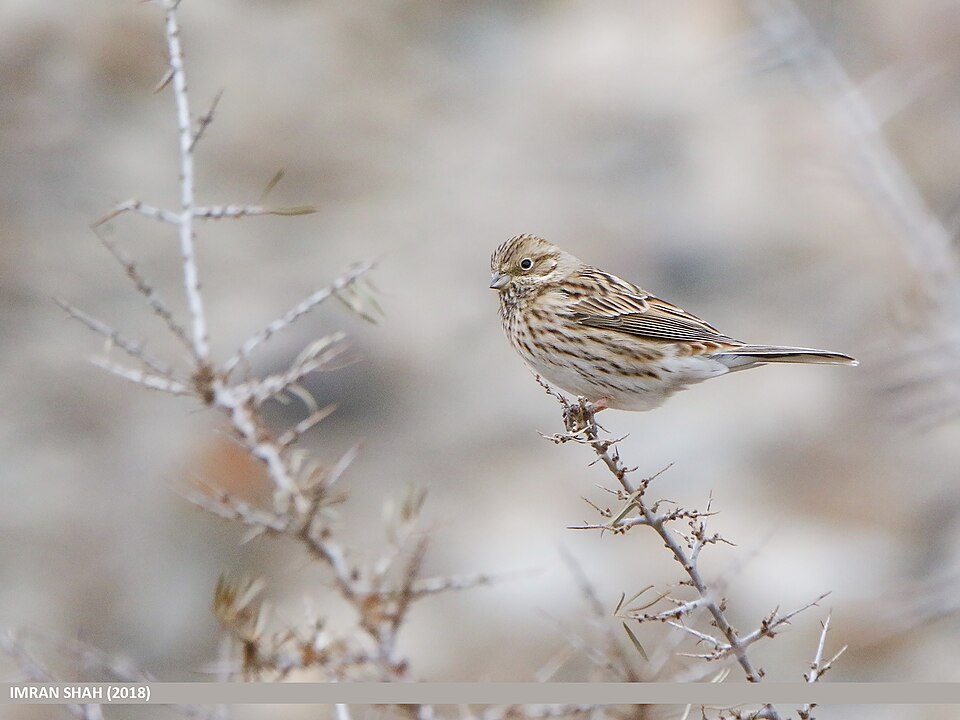 Witkopgors
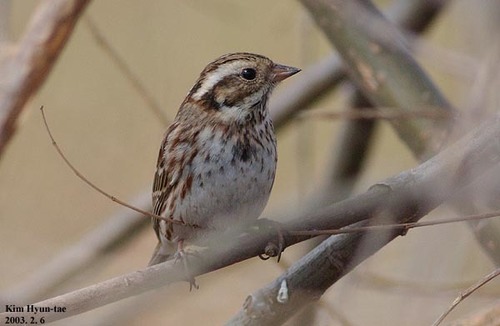 Bosgors
Kort gezegd
Het meest betrouwbare veldkenmerk tussen Witkopgors en Bosgors is het hoofd- en gezichtspatroon bij volwassen mannetjes: Witkopgors mannetjes hebben een witte kroon en wangen met een kastanjebruine voorhoofd en keel, terwijl Bosgors mannetjes een zwart hoofd, witte keel en supercilium, en een kastanjebruine borstband hebben. Vrouwtjes en niet-broedende vogels zijn lastiger, maar Witkopgors is robuuster met een dikkere snavel en mist de kastanjebruine flankstrepen en kastanjebruine nek van Bosgors. Juveniele en onvolwassen vleugelpatronen zijn niet in detail beschreven voor beide soorten, dus focus op hoofd-, onderlichaam- en snavelkleur. Beide soorten zijn vergelijkbaar in grootte, maar Witkopgors lijkt robuuster. Let op subtiele verschillen in gezichtspatroon en snavelkleur, vooral bij doffere vogels.
Herkenningstips
- Hoofdpatroon volwassen mannetjes: Witkopgors mannetjes hebben een witte kroon en wangen met een kastanjebruine voorhoofd en keel; Bosgors mannetjes hebben een zwart hoofd, witte keel en supercilium, en een kastanjebruine borstband. Dit is het meest betrouwbare veldkenmerk in de lente/zomer.
- Hoofd/gezicht van vrouwtjes en niet-broedende vogels: Vrouwelijke Witkopgors zijn doffer, met gestreepte onderdelen en missen geel; vrouwelijke Bosgors hebben een bruine gezicht met een witachtig supercilium, kastanjebruine flankstrepen, en een kastanjebruine nek. Het supercilium en de kastanjebruine flanken zijn cruciaal voor Bosgors.
- Snavelkleur: Bosgors toont een roze onderkaak (vooral bij vrouwtjes), terwijl de snavel van Witkopgors dikker is en de roze tint mist. Dit is subtiel maar nuttig bij goed licht.
- Onderlichaamstrepen: Bosgors (beide seksen) toont kastanjebruine strepen op de flanken, die Witkopgors mist. Witkopgors heeft meer uniforme, gestreepte bruine onderdelen bij vrouwtjes en niet-broedende vogels.
- Rug- en nek kleur: Vrouwelijke Bosgors heeft een kastanjebruine nek, die afwezig is bij Witkopgors. Beide hebben gestreepte bruine ruggen, maar alleen Bosgors toont de kastanjebruine nek.
- Algemene bouw: Witkopgors is robuuster en heeft een dikkere snavel, terwijl Bosgors slanker en delicater is. Dit kan het beste worden beoordeeld met directe vergelijking of ervaring.
- Verwarring bij niet-broedende vogels: Witkopgors in niet-broedende verenkleed lijkt op Geelgors maar met alle gele vervangen door wit; Bosgors behoudt kastanjebruine flanken en roze snavelbasis het hele jaar door.
- Stem: De roep van Bosgors is een scherpe 'zit' en het lied is een melancholische zin, terwijl Witkopgors klinkt als Geelgors. Gebruik dit alleen als je een duidelijke roep of lied hoort.
- Habitat: Bosgors geeft de voorkeur aan natte naaldwouden (taiga), terwijl Witkopgors wordt aangetroffen in meer open bossen ten oosten van de Oeral. In West-Europa is Bosgors een zeldzame dwaalgast, Witkopgors nog zeldzamer.
- Hybride verwarring: Witkopgors × Geelgors hybriden kunnen gemengde kenmerken vertonen, waaronder geel in de vleugels. Bosgors hybridiseert niet met Witkopgors, dus gele tinten suggereren Witkopgors of hybride, niet Bosgors.
- Zittend vs. in vlucht: Er zijn geen onderscheidende vlucht- of bovenvleugelpatroonverschillen beschreven voor deze twee soorten; focus op hoofd-, gezicht- en onderlichaamspatronen wanneer vogels zitten of kort zichtbaar zijn.
- Pootkleur: Bosgors heeft roze poten, wat kan helpen bij close-ups, maar is niet een sterk veldkenmerk op zichzelf.
- Context en verspreiding: Als je in dichte, natte taiga bent, is Bosgors waarschijnlijker; in drogere, open bossen ten oosten van de Oeral wordt Witkopgors verwacht. Beide zijn zeldzaam in West-Europa, maar Bosgors is de waarschijnlijkere dwaalgast.
- Strepen onder: Beide soorten zijn onder gestreept, maar alleen Bosgors toont kastanjebruine strepen op de flanken.
- Bij twijfel: Als je het hoofdpatroon niet duidelijk kunt zien, kijk dan naar kastanjebruine flanken en roze snavel (Bosgors) versus een robuustere, dikkere snavel en een witte gezicht vogel (Witkopgors).
Grootte
Beide soorten zijn vergelijkbaar in lengte (Witkopgors: 16–17,5 cm [wikipedia]; Bosgors: vergelijkbaar met Rietgors, dat ongeveer 13–15,5 cm is [wikipedia]), maar Witkopgors wordt beschreven als robuuster en heeft een dikkere, zaadeter-snavel. Bosgors heeft een slanker postuur en een meer delicate snavel, met een kenmerkende roze onderkaak. In het veld kan Witkopgors bulker en zwaarder lijken, terwijl Bosgors verfijnder is.
Verenkleed
-
Juveniele/onvolwassen vleugelpatronen: Er zijn geen gedetailleerde bovenvleugel- of vluchtpatroonverschillen beschreven voor beide soorten in de bronnen. Focus op hoofd- en onderlichaamverenkleed voor alle leeftijden.
-
Verenkleed volwassen mannelijke broedvogels: Witkopgors mannetjes hebben een witte kroon en wangen, kastanjebruine voorhoofd en keel, en een sterk gestreepte bruine rug. Bosgors mannetjes hebben een zwart hoofd, witte keel en supercilium, kastanjebruine borstband, en kastanjebruine flanken.
-
Vrouwtjes en niet-broedende vogels: Vrouwelijke Witkopgors zijn over het algemeen doffer, met meer strepen onder en missen gele tinten (in tegenstelling tot Geelgors). Vrouwelijke Bosgors hebben een bruine gezicht met een witachtig supercilium, kastanjebruine flankstrepen, kastanjebruine nek, en een roze onderkaak. Beide soorten hebben gestreepte bruine ruggen, maar alleen vrouwelijke Bosgors tonen kastanjebruine flanken en een kastanjebruine nek.
-
Niet-broedende/eerste winter: Witkopgors in niet-broedende verenkleed lijkt op Geelgors maar met alle gele vervangen door wit; Bosgors in niet-broedende verenkleed is niet in detail beschreven, maar behoudt kastanjebruine flankstrepen en roze snavelbasis.
Gedrag
Er zijn geen specifieke gedragsverschillen beschreven tussen deze twee soorten in de bronnen. Beide zijn typische gorsen, die op zoek zijn naar zaden en insecten, en zijn waarschijnlijk te zien zittend of foeragerend op de grond. Bosgors wordt opgemerkt dat het broedt in natte naaldwouden en mogelijk meer geassocieerd is met dichte, vochtige habitats, terwijl Witkopgors wordt aangetroffen ten oosten van de Oeral in meer open bossen of randhabitats.
Habitat
Witkopgors broedt in Eurosiberië ten oosten van de Oeral, typisch in open bossen of randhabitats. Bosgors broedt in het noordelijke Palearctisch gebied, vooral in natte naaldwouden (taiga), en overwintert in Zuidoost-Azië, Japan, Korea, en oostelijk China. Bosgors is een zeldzame dwaalgast in West-Europa, terwijl Witkopgors strikter oostelijk is. Als je een gors tegenkomt in dichte, natte naaldwouden, is Bosgors waarschijnlijker; in meer open of drogere bossen is Witkopgors mogelijk.
Geluid
Het lied en de roepen van Witkopgors zijn vergelijkbaar met Geelgors, zonder unieke beschrijving in de bronnen. De roep van Bosgors is een 'zit', die doet denken aan Zanglijster, en zijn lied is een melancholische 'delee-deloo-delee'. In het veld kan de roep van Bosgors opvallen als scherper en meer lijsterachtig in vergelijking met het lied van Witkopgors dat lijkt op Geelgors, maar verwarring is nog steeds mogelijk zonder directe vergelijking.