

Motmot

Pacific Reef-Heron vs Little Egret

Egretta sacra versus Egretta garzetta

Play a quiz with Pacific Reef-Heron and Little Egret
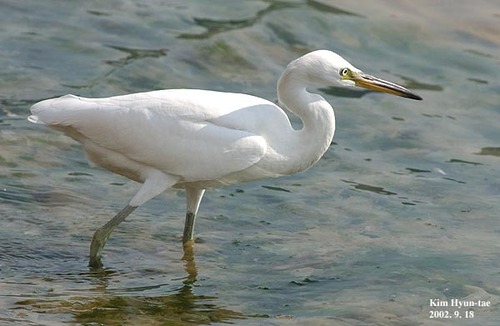
Pacific Reef-Heron (Egretta sacra) Pacific Reef-Heron

Little Egret (Egretta garzetta) Little Egret

Media

Loading…

In short

The most reliable way to separate Pacific Reef-Heron from Little Egret is by leg and bill color: Pacific Reef-Heron (both morphs) has yellow-grey legs and a brown bill, while Little Egret shows striking black legs with yellow feet and a slender black bill. Both species can be entirely white, so color alone is not enough—look closely at bare part colors and, for dark birds, note that only the Reef-Heron comes in a slaty-grey morph. In flight or at rest, the Little Egret often appears more elegant and slender, with longer, thinner legs and bill, and in breeding season, it sports distinctive long nape and scapular plumes. Juvenile and non-breeding birds can be trickier, but the combination of leg, bill, and subtle face color differences remains key.

Identification tips

  1. Leg color is key: Pacific Reef-Heron has yellow-grey legs (all ages, both morphs); Little Egret has black legs with bright yellow feet (juveniles have greenish-black legs and duller yellow feet). This is the most consistent field mark.
  2. Bill color: Reef-Heron's bill is brown, while Little Egret's is slender and black. This is visible at close range or in good light.
  3. Plumage morphs: Only Pacific Reef-Heron comes in a slaty-grey morph; if you see a dark heron in this group, it's almost certainly Reef-Heron. Little Egret is almost always pure white, with rare bluish-grey morphs outside the main range.
  4. White morph confusion: Both species can be entirely white. In this case, rely on leg and bill color, and note any facial skin color differences (Reef-Heron: greenish/yellowish; Little Egret: greenish-grey lores, yellow iris).
  5. Breeding plumes: In breeding season, Little Egret shows long, wispy nape plumes and elongated scapular feathers; Reef-Heron never has these ornamental plumes.
  6. Throat stripe: Grey-morph Pacific Reef-Heron has a narrow white stripe on the throat and chin, absent in Little Egret.
  7. Structure and jizz: Little Egret is more slender, with longer legs and neck, and a finer, longer bill. Reef-Heron is chunkier, shorter-legged, and often appears more hunched.
  8. Behavior: Reef-Heron often stands motionless with wings spread to shade the water; Little Egret is more active, running or shuffling feet to disturb prey.
  9. Habitat: Reef-Heron is strictly coastal, on rocky shores and reefs; Little Egret is more versatile and found in both coastal and freshwater wetlands.
  10. Juvenile confusion: Juvenile Little Egrets have greenish-black legs and duller yellow feet, but still show a black bill and overall white plumage; juvenile Reef-Herons are duller and browner, but leg and bill color remain diagnostic.
  11. Face color: Reef-Heron has a greenish to yellow cast around the eye; Little Egret has greenish-grey lores and a yellow iris.
  12. Dark morphs: If you see a dark heron with yellow-grey legs and a white throat stripe, it's a Pacific Reef-Heron; Little Egret's rare dark morphs lack the throat stripe and have black legs.
  13. Feeding context: If the bird is feeding in a tidal marine environment, especially on rocky reefs, favor Reef-Heron; if in a freshwater marsh or lake, it's almost certainly Little Egret.
  14. Flight: No distinctive juvenile upperwing pattern is noted for either species, so rely on structure and bare part color in flight.
  15. Size: Both are similar in length and wingspan, but Little Egret is slightly heavier and appears more delicate in build.

Size

Both species are similar in overall length (about 55–66 cm), but Little Egret is slightly heavier on average (350–550 g, mean 532 g [wikidata]) than Pacific Reef-Heron (average 400 g [wikipedia]). Wingspans overlap (Pacific Reef-Heron 90–110 cm, Little Egret 88–106 cm). In the field, Little Egret may look a bit more delicate and slim, with longer legs and neck relative to body, while Reef-Heron is often chunkier and shorter-legged in proportions.

Plumage

Juvenile and immature Pacific Reef-Herons are browner and duller than adults, but this is subtle and not as distinctive as the Little Egret's juvenile features. Little Egret juveniles resemble non-breeding adults but have greenish-black legs and duller yellow feet, and may show some greyish or brownish feathers. Adult Pacific Reef-Herons come in two morphs: entirely white or slaty grey; the grey morph has a narrow white throat stripe. Little Egret adults are normally pure white, but rare dark morphs (mainly outside the Western Palearctic) are bluish-grey. In breeding season, Little Egret develops long, wispy nape plumes and elongated scapular feathers, absent in Pacific Reef-Heron. Bill and leg color are consistent: Reef-Heron has yellow-grey legs and a brown bill, while Little Egret has black legs with yellow feet and a black bill. Face color differs: Reef-Heron shows a greenish to yellow cast around the eye, Little Egret has greenish-grey lores and yellow iris.

Behaviour

Both species hunt in shallow water, but Pacific Reef-Heron often uses a unique technique: standing motionless with wings spread like an umbrella to shade the water and attract fish. Little Egret is more active, frequently running, shuffling feet, or using other dynamic foraging strategies, and is more likely to exploit disturbances caused by other animals or people. Little Egret also feeds on land, chasing prey or scavenging, while Pacific Reef-Heron is more strictly coastal and marine in its feeding habits.

Habitat

Pacific Reef-Heron is strongly tied to rocky coasts, coral reefs, and tidal flats in southern Asia and Oceania, rarely venturing far from the sea. Little Egret is more flexible, found in a wide range of wetland habitats including freshwater lakes, rivers, marshes, as well as coastal areas. If seen inland or in freshwater wetlands, Little Egret is far more likely; Pacific Reef-Heron is almost always found in marine or brackish environments.

Submit a better description

Use the same sections as the comparison. Your text is published immediately.

The most reliable way to separate Pacific Reef-Heron from Little Egret is by leg and bill color: Pacific Reef-Heron (both morphs) has yellow-grey legs and a brown bill, while Little Egret shows striking black legs with yellow feet and a slender black bill. Both species can be entirely white, so color alone is not enough—look closely at bare part colors and, for dark birds, note that only the Reef-Heron comes in a slaty-grey morph. In flight or at rest, the Little Egret often appears more elegant and slender, with longer, thinner legs and bill, and in breeding season, it sports distinctive long nape and scapular plumes. Juvenile and non-breeding birds can be trickier, but the combination of leg, bill, and subtle face color differences remains key.

  1. Leg color is key: Pacific Reef-Heron has yellow-grey legs (all ages, both morphs); Little Egret has black legs with bright yellow feet (juveniles have greenish-black legs and duller yellow feet). This is the most consistent field mark.
  2. Bill color: Reef-Heron's bill is brown, while Little Egret's is slender and black. This is visible at close range or in good light.
  3. Plumage morphs: Only Pacific Reef-Heron comes in a slaty-grey morph; if you see a dark heron in this group, it's almost certainly Reef-Heron. Little Egret is almost always pure white, with rare bluish-grey morphs outside the main range.
  4. White morph confusion: Both species can be entirely white. In this case, rely on leg and bill color, and note any facial skin color differences (Reef-Heron: greenish/yellowish; Little Egret: greenish-grey lores, yellow iris).
  5. Breeding plumes: In breeding season, Little Egret shows long, wispy nape plumes and elongated scapular feathers; Reef-Heron never has these ornamental plumes.
  6. Throat stripe: Grey-morph Pacific Reef-Heron has a narrow white stripe on the throat and chin, absent in Little Egret.
  7. Structure and jizz: Little Egret is more slender, with longer legs and neck, and a finer, longer bill. Reef-Heron is chunkier, shorter-legged, and often appears more hunched.
  8. Behavior: Reef-Heron often stands motionless with wings spread to shade the water; Little Egret is more active, running or shuffling feet to disturb prey.
  9. Habitat: Reef-Heron is strictly coastal, on rocky shores and reefs; Little Egret is more versatile and found in both coastal and freshwater wetlands.
  10. Juvenile confusion: Juvenile Little Egrets have greenish-black legs and duller yellow feet, but still show a black bill and overall white plumage; juvenile Reef-Herons are duller and browner, but leg and bill color remain diagnostic.
  11. Face color: Reef-Heron has a greenish to yellow cast around the eye; Little Egret has greenish-grey lores and a yellow iris.
  12. Dark morphs: If you see a dark heron with yellow-grey legs and a white throat stripe, it's a Pacific Reef-Heron; Little Egret's rare dark morphs lack the throat stripe and have black legs.
  13. Feeding context: If the bird is feeding in a tidal marine environment, especially on rocky reefs, favor Reef-Heron; if in a freshwater marsh or lake, it's almost certainly Little Egret.
  14. Flight: No distinctive juvenile upperwing pattern is noted for either species, so rely on structure and bare part color in flight.
  15. Size: Both are similar in length and wingspan, but Little Egret is slightly heavier and appears more delicate in build.

Both species are similar in overall length (about 55–66 cm), but Little Egret is slightly heavier on average (350–550 g, mean 532 g [wikidata]) than Pacific Reef-Heron (average 400 g [wikipedia]). Wingspans overlap (Pacific Reef-Heron 90–110 cm, Little Egret 88–106 cm). In the field, Little Egret may look a bit more delicate and slim, with longer legs and neck relative to body, while Reef-Heron is often chunkier and shorter-legged in proportions.

Juvenile and immature Pacific Reef-Herons are browner and duller than adults, but this is subtle and not as distinctive as the Little Egret's juvenile features. Little Egret juveniles resemble non-breeding adults but have greenish-black legs and duller yellow feet, and may show some greyish or brownish feathers. Adult Pacific Reef-Herons come in two morphs: entirely white or slaty grey; the grey morph has a narrow white throat stripe. Little Egret adults are normally pure white, but rare dark morphs (mainly outside the Western Palearctic) are bluish-grey. In breeding season, Little Egret develops long, wispy nape plumes and elongated scapular feathers, absent in Pacific Reef-Heron. Bill and leg color are consistent: Reef-Heron has yellow-grey legs and a brown bill, while Little Egret has black legs with yellow feet and a black bill. Face color differs: Reef-Heron shows a greenish to yellow cast around the eye, Little Egret has greenish-grey lores and yellow iris.

Both species hunt in shallow water, but Pacific Reef-Heron often uses a unique technique: standing motionless with wings spread like an umbrella to shade the water and attract fish. Little Egret is more active, frequently running, shuffling feet, or using other dynamic foraging strategies, and is more likely to exploit disturbances caused by other animals or people. Little Egret also feeds on land, chasing prey or scavenging, while Pacific Reef-Heron is more strictly coastal and marine in its feeding habits.

Pacific Reef-Heron is strongly tied to rocky coasts, coral reefs, and tidal flats in southern Asia and Oceania, rarely venturing far from the sea. Little Egret is more flexible, found in a wide range of wetland habitats including freshwater lakes, rivers, marshes, as well as coastal areas. If seen inland or in freshwater wetlands, Little Egret is far more likely; Pacific Reef-Heron is almost always found in marine or brackish environments.

Discard your changes?

You have unsaved edits. If you leave now, those changes will be lost.

Pacific Reef-Heron · Little Egret · My Tricky Birds