

Motmot

クロサギ 対 コサギ

Egretta sacra 対 Egretta garzetta

クロサギとコサギのクイズ
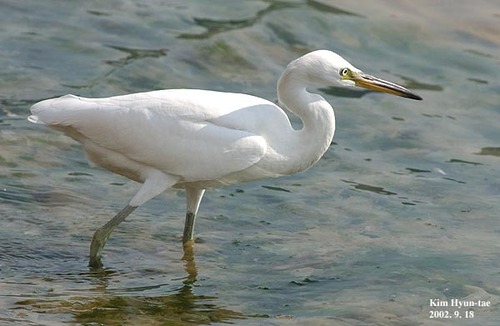
クロサギ (Egretta sacra) クロサギ
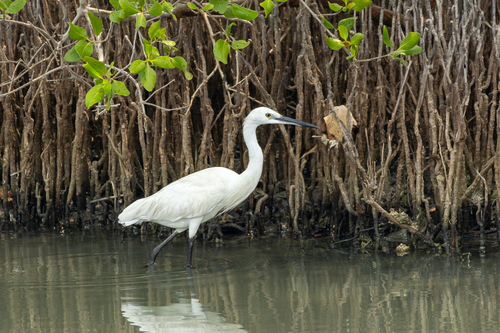
コサギ (Egretta garzetta) コサギ

メディア

読み込み中…

要点

コサギとクロサギを分ける最も信頼できる方法は、脚とくちばしの色です:クロサギ(両方の形態)は黄灰色の脚と茶色のくちばしを持ち、コサギは黄色い足を持つ際立った黒い脚と細長い黒いくちばしを示します。両種は完全に白くなることがありますので、色だけでは不十分です—裸の部分の色をよく見て、暗い鳥の場合は、クロサギだけがスレート灰色の形態を持つことに注意してください。飛んでいる時や休んでいる時、コサギはしばしばより優雅で細長く見え、脚とくちばしが長く、細く、繁殖期には特徴的な長い後頭部と肩羽の羽毛を持っています。幼鳥や非繁殖の鳥はより難しい場合がありますが、脚、くちばし、微妙な顔の色の違いの組み合わせが鍵となります。

識別のコツ

  1. 脚の色が鍵です: クロサギは黄灰色の脚を持ち(すべての年齢、両方の形態)、コサギは明るい黄色の足を持つ黒い脚を持っています(幼鳥は緑がかった黒い脚と鈍い黄色の足を持っています)。これは最も一貫したフィールドマークです。
  2. くちばしの色: クロサギのくちばしは茶色で、コサギのくちばしは細くて黒いです。これは近距離または良い光の下で確認できます。
  3. 羽毛の形態: クロサギだけがスレート灰色の形態を持ちます。このグループで暗いサギを見た場合、それはほぼ確実にクロサギです。コサギはほぼ常に純白で、主な範囲外ではまれに青灰色の形態があります。
  4. 白い形態の混乱: 両種は完全に白くなることがあります。この場合、脚とくちばしの色に頼り、顔の皮膚の色の違いに注意してください(クロサギ:緑がかった/黄色がかった;コサギ:緑がかった灰色の顔、黄色の虹彩)。
  5. 繁殖羽毛: 繁殖期には、コサギは長くてふわふわした後頭部の羽毛と細長い肩羽を示し、クロサギにはこれらの羽毛はありません。
  6. 喉のストライプ: 灰色の形態のクロサギは喉と顎に狭い白いストライプを持ち、コサギにはありません。
  7. 構造と印象: コサギはより細長く、脚と首が長く、くちばしが細くて長いです。クロサギはよりがっしりしていて、脚が短く、しばしばより丸まって見えます。
  8. 行動: クロサギはしばしば動かずに立ち、翼を広げて水を陰にします;コサギはより活発で、獲物を驚かせるために走ったり足を動かしたりします。
  9. 生息地: クロサギは厳密に沿岸に生息し、岩の多い海岸やサンゴ礁にいます;コサギはより多様で、沿岸および淡水の湿地の両方で見られます。
  10. 幼鳥の混乱: 幼鳥のコサギは緑がかった黒い脚と鈍い黄色の足を持っていますが、黒いくちばしと全体的に白い羽毛を示します;幼鳥のクロサギは鈍くて茶色がかっていますが、脚とくちばしの色は診断的です。
  11. 顔の色: クロサギは目の周りに緑がかった黄色の色合いを持ち、コサギは緑がかった灰色の顔と黄色の虹彩を持っています。
  12. 暗い形態: 黄灰色の脚と白い喉のストライプを持つ暗いサギを見た場合、それはクロサギです;コサギのまれな暗い形態は喉のストライプがなく、黒い脚を持っています。
  13. 餌を取る状況: 鳥が潮のある海洋環境で餌を取っている場合、特に岩の多いサンゴ礁で、クロサギを優先します;淡水の湿地や湖であれば、ほぼ確実にコサギです。
  14. 飛行: どちらの種にも特徴的な幼鳥の上翼パターンは見られないため、飛行中は構造と裸の部分の色に頼ります。
  15. サイズ: 両者は長さと翼幅が似ていますが、コサギはわずかに重く、体の構造がより繊細に見えます。

大きさ

両種は全体の長さが似ています(約55〜66 cm)が、コサギは平均してわずかに重いです(350〜550 g、平均532 g [wikidata])クロサギ(平均400 g [wikipedia])よりも。翼幅は重なります(クロサギ90〜110 cm、コサギ88〜106 cm)。フィールドでは、コサギは体に対して脚と首が長く、やや繊細でスリムに見えることがありますが、クロサギはしばしばがっしりしていて脚が短い比率です。

羽色

幼鳥と未成熟のクロサギは大人よりも茶色がかり鈍いですが、これは微妙で、コサギの幼鳥の特徴ほどは目立ちません。コサギの幼鳥は非繁殖の大人に似ていますが、緑がかった黒い脚と鈍い黄色の足を持ち、灰色または茶色の羽毛が見られることがあります。成鳥のクロサギは二つの形態があります:完全に白いかスレート灰色;灰色の形態は狭い白い喉のストライプを持っています。コサギの成鳥は通常純白ですが、まれに暗い形態(主に西パレアクティックの外)で青灰色です。繁殖期には、コサギは長くてふわふわした後頭部の羽毛と細長い肩羽を発達させ、クロサギにはこれらの羽毛はありません。くちばしと脚の色は一貫しています:クロサギは黄灰色の脚と茶色のくちばしを持ち、コサギは黄色い足を持つ黒い脚と黒いくちばしを持っています。顔の色は異なります:クロサギは目の周りに緑がかった黄色の色合いを示し、コサギは緑がかった灰色の顔と黄色の虹彩を持っています。

行動

両種は浅い水で狩りをしますが、クロサギはしばしば独特の技術を使用します:水を陰にするために傘のように翼を広げて動かずに立ち、魚を引き寄せます。コサギはより活発で、頻繁に走ったり、足を動かしたり、他の動的な採餌戦略を使用したりし、他の動物や人々によって引き起こされた混乱を利用する可能性が高いです。コサギは陸上でも餌を取り、獲物を追いかけたり、死骸を漁ったりしますが、クロサギは餌を取る習性がより厳密に沿岸および海洋です。

生息環境

クロサギは南アジアとオセアニアの岩の多い海岸、サンゴ礁、潮間帯に強く結びついており、海から遠くに出ることはほとんどありません。コサギはより柔軟で、淡水の湖、川、湿地、沿岸地域を含む幅広い湿地の生息地で見られます。内陸や淡水の湿地で見られた場合、コサギの方がはるかに可能性が高いです;クロサギはほぼ常に海洋または塩水の環境で見られます。

より良い説明を送る

比較と同じ項目を使ってください。文章はすぐに公開されます。

The most reliable way to separate Pacific Reef-Heron from Little Egret is by leg and bill color: Pacific Reef-Heron (both morphs) has yellow-grey legs and a brown bill, while Little Egret shows striking black legs with yellow feet and a slender black bill. Both species can be entirely white, so color alone is not enough—look closely at bare part colors and, for dark birds, note that only the Reef-Heron comes in a slaty-grey morph. In flight or at rest, the Little Egret often appears more elegant and slender, with longer, thinner legs and bill, and in breeding season, it sports distinctive long nape and scapular plumes. Juvenile and non-breeding birds can be trickier, but the combination of leg, bill, and subtle face color differences remains key.

  1. Leg color is key: Pacific Reef-Heron has yellow-grey legs (all ages, both morphs); Little Egret has black legs with bright yellow feet (juveniles have greenish-black legs and duller yellow feet). This is the most consistent field mark.
  2. Bill color: Reef-Heron's bill is brown, while Little Egret's is slender and black. This is visible at close range or in good light.
  3. Plumage morphs: Only Pacific Reef-Heron comes in a slaty-grey morph; if you see a dark heron in this group, it's almost certainly Reef-Heron. Little Egret is almost always pure white, with rare bluish-grey morphs outside the main range.
  4. White morph confusion: Both species can be entirely white. In this case, rely on leg and bill color, and note any facial skin color differences (Reef-Heron: greenish/yellowish; Little Egret: greenish-grey lores, yellow iris).
  5. Breeding plumes: In breeding season, Little Egret shows long, wispy nape plumes and elongated scapular feathers; Reef-Heron never has these ornamental plumes.
  6. Throat stripe: Grey-morph Pacific Reef-Heron has a narrow white stripe on the throat and chin, absent in Little Egret.
  7. Structure and jizz: Little Egret is more slender, with longer legs and neck, and a finer, longer bill. Reef-Heron is chunkier, shorter-legged, and often appears more hunched.
  8. Behavior: Reef-Heron often stands motionless with wings spread to shade the water; Little Egret is more active, running or shuffling feet to disturb prey.
  9. Habitat: Reef-Heron is strictly coastal, on rocky shores and reefs; Little Egret is more versatile and found in both coastal and freshwater wetlands.
  10. Juvenile confusion: Juvenile Little Egrets have greenish-black legs and duller yellow feet, but still show a black bill and overall white plumage; juvenile Reef-Herons are duller and browner, but leg and bill color remain diagnostic.
  11. Face color: Reef-Heron has a greenish to yellow cast around the eye; Little Egret has greenish-grey lores and a yellow iris.
  12. Dark morphs: If you see a dark heron with yellow-grey legs and a white throat stripe, it's a Pacific Reef-Heron; Little Egret's rare dark morphs lack the throat stripe and have black legs.
  13. Feeding context: If the bird is feeding in a tidal marine environment, especially on rocky reefs, favor Reef-Heron; if in a freshwater marsh or lake, it's almost certainly Little Egret.
  14. Flight: No distinctive juvenile upperwing pattern is noted for either species, so rely on structure and bare part color in flight.
  15. Size: Both are similar in length and wingspan, but Little Egret is slightly heavier and appears more delicate in build.

Both species are similar in overall length (about 55–66 cm), but Little Egret is slightly heavier on average (350–550 g, mean 532 g [wikidata]) than Pacific Reef-Heron (average 400 g [wikipedia]). Wingspans overlap (Pacific Reef-Heron 90–110 cm, Little Egret 88–106 cm). In the field, Little Egret may look a bit more delicate and slim, with longer legs and neck relative to body, while Reef-Heron is often chunkier and shorter-legged in proportions.

Juvenile and immature Pacific Reef-Herons are browner and duller than adults, but this is subtle and not as distinctive as the Little Egret's juvenile features. Little Egret juveniles resemble non-breeding adults but have greenish-black legs and duller yellow feet, and may show some greyish or brownish feathers. Adult Pacific Reef-Herons come in two morphs: entirely white or slaty grey; the grey morph has a narrow white throat stripe. Little Egret adults are normally pure white, but rare dark morphs (mainly outside the Western Palearctic) are bluish-grey. In breeding season, Little Egret develops long, wispy nape plumes and elongated scapular feathers, absent in Pacific Reef-Heron. Bill and leg color are consistent: Reef-Heron has yellow-grey legs and a brown bill, while Little Egret has black legs with yellow feet and a black bill. Face color differs: Reef-Heron shows a greenish to yellow cast around the eye, Little Egret has greenish-grey lores and yellow iris.

Both species hunt in shallow water, but Pacific Reef-Heron often uses a unique technique: standing motionless with wings spread like an umbrella to shade the water and attract fish. Little Egret is more active, frequently running, shuffling feet, or using other dynamic foraging strategies, and is more likely to exploit disturbances caused by other animals or people. Little Egret also feeds on land, chasing prey or scavenging, while Pacific Reef-Heron is more strictly coastal and marine in its feeding habits.

Pacific Reef-Heron is strongly tied to rocky coasts, coral reefs, and tidal flats in southern Asia and Oceania, rarely venturing far from the sea. Little Egret is more flexible, found in a wide range of wetland habitats including freshwater lakes, rivers, marshes, as well as coastal areas. If seen inland or in freshwater wetlands, Little Egret is far more likely; Pacific Reef-Heron is almost always found in marine or brackish environments.

変更を破棄しますか?

保存していない編集があります。今離れると失われます。

クロサギ · コサギ · 苦手な鳥