

Pacific Reef-Heron vs Garzetta
Egretta sacra contro Egretta garzetta
Fai un quiz con Pacific Reef-Heron e Garzetta
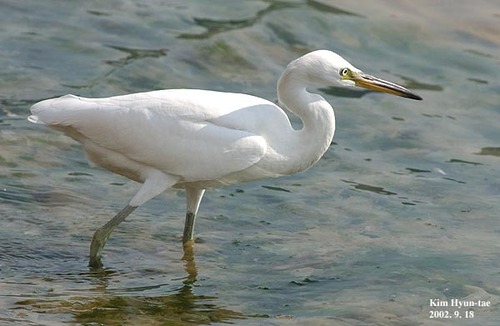 Pacific Reef-Heron
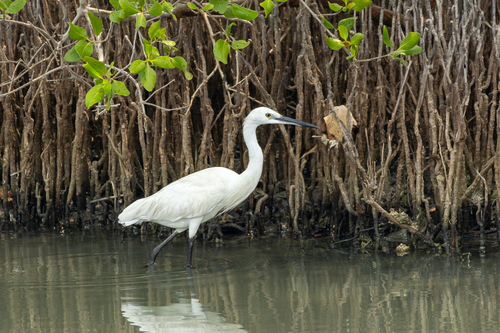 Garzetta
In breve
Il modo più affidabile per separare il Pacific Reef-Heron dalla Garzetta è il colore delle gambe e del becco: il Pacific Reef-Heron (entrambe le forme) ha gambe giallo-grigie e un becco marrone, mentre la Garzetta mostra gambe nere sorprendenti con piedi gialli e un becco nero snello. Entrambe le specie possono essere completamente bianche, quindi il colore da solo non è sufficiente: osserva attentamente i colori delle parti nude e, per gli uccelli scuri, nota che solo il Reef-Heron presenta una forma grigio-ardesia. In volo o a riposo, la Garzetta appare spesso più elegante e snella, con gambe e becco più lunghi e sottili, e durante la stagione di riproduzione, sfoggia distintive piume lunghe sul collo e sulle scapole. Gli uccelli giovani e non in riproduzione possono essere più difficili da identificare, ma la combinazione di differenze nel colore delle gambe, del becco e del viso rimane fondamentale.
Consigli di identificazione
- Il colore delle gambe è fondamentale: il Pacific Reef-Heron ha gambe giallo-grigie (tutte le età, entrambe le forme); la Garzetta ha gambe nere con piedi gialli brillanti (i giovani hanno gambe nero-verdi e piedi gialli più opachi). Questo è il segno di campo più consistente.
- Colore del becco: il becco del Reef-Heron è marrone, mentre quello della Garzetta è snello e nero. Questo è visibile da vicino o in buona luce.
- Forme del piumaggio: solo il Pacific Reef-Heron presenta una forma grigio-ardesia; se vedi un airone scuro in questo gruppo, è quasi certamente un Reef-Heron. La Garzetta è quasi sempre completamente bianca, con rare forme blu-grigie al di fuori dell'area principale.
- Confusione delle forme bianche: entrambe le specie possono essere completamente bianche. In questo caso, fai affidamento sul colore delle gambe e del becco, e nota eventuali differenze nel colore della pelle facciale (Reef-Heron: verde/giallastro; Garzetta: lore grigio-verde, iris gialla).
- Piume di riproduzione: durante la stagione di riproduzione, la Garzetta mostra lunghe piume fluttuanti sul collo e piume scapolari allungate; il Reef-Heron non ha mai queste piume ornamentali.
- Striscia sulla gola: il Pacific Reef-Heron di forma grigia ha una stretta striscia bianca sulla gola e sul mento, assente nella Garzetta.
- Struttura e aspetto: la Garzetta è più snella, con gambe e collo più lunghi, e un becco più fine e lungo. Il Reef-Heron è più robusto, con gambe più corte, e appare spesso più curvo.
- Comportamento: il Reef-Heron spesso rimane immobile con le ali aperte per ombreggiare l'acqua; la Garzetta è più attiva, correndo o muovendo i piedi per disturbare la preda.
- Habitat: il Reef-Heron è strettamente costiero, su coste rocciose e barriere coralline; la Garzetta è più versatile e si trova sia in habitat costieri che in zone umide di acqua dolce.
- Confusione giovanile: i giovani Garzette hanno gambe nero-verdi e piedi gialli più opachi, ma mostrano comunque un becco nero e un piumaggio complessivamente bianco; i giovani Reef-Heron sono più opachi e marroni, ma il colore delle gambe e del becco rimane diagnostico.
- Colore del viso: il Reef-Heron ha una tonalità verde-giallastra attorno all'occhio; la Garzetta ha lore grigio-verde e un'iride gialla.
- Forme scure: se vedi un airone scuro con gambe giallo-grigie e una striscia bianca sulla gola, è un Pacific Reef-Heron; le rare forme scure della Garzetta mancano della striscia sulla gola e hanno gambe nere.
- Contesto alimentare: se l'uccello si sta nutrendo in un ambiente marino di marea, specialmente su barriere rocciose, favorisci il Reef-Heron; se in una palude o lago d'acqua dolce, è quasi certamente una Garzetta.
- Volo: non si nota alcun modello distintivo di ala superiore giovanile per entrambe le specie, quindi fai affidamento sulla struttura e sul colore delle parti nude in volo.
- Dimensione: entrambe sono simili in lunghezza e apertura alare, ma la Garzetta è leggermente più pesante e appare più delicata nella struttura.
Taglia
Entrambe le specie sono simili in lunghezza complessiva (circa 55–66 cm), ma la Garzetta è leggermente più pesante in media (350–550 g, media 532 g [wikidata]) rispetto al Pacific Reef-Heron (media 400 g [wikipedia]). Le aperture alari si sovrappongono (Pacific Reef-Heron 90–110 cm, Garzetta 88–106 cm). Sul campo, la Garzetta può apparire un po' più delicata e snella, con gambe e collo più lunghi rispetto al corpo, mentre il Reef-Heron è spesso più robusto e con gambe più corte in proporzione.
Piumaggio
I giovani e immaturi Pacific Reef-Heron sono più marroni e opachi rispetto agli adulti, ma questo è sottile e non così distintivo come le caratteristiche giovanili della Garzetta. I giovani Garzette assomigliano agli adulti non in riproduzione ma hanno gambe nero-verdi e piedi gialli più opachi, e possono mostrare alcune piume grigio o marrone. Gli adulti Pacific Reef-Heron si presentano in due forme: completamente bianchi o grigio-ardesia; la forma grigia ha una stretta striscia bianca sulla gola. Gli adulti della Garzetta sono normalmente completamente bianchi, ma rare forme scure (principalmente al di fuori del Paleartico Occidentale) sono blu-grigie. Durante la stagione di riproduzione, la Garzetta sviluppa lunghe piume fluttuanti sul collo e piume scapolari allungate, assenti nel Pacific Reef-Heron. Il colore del becco e delle gambe è coerente: il Reef-Heron ha gambe giallo-grigie e un becco marrone, mentre la Garzetta ha gambe nere con piedi gialli e un becco nero. Il colore del viso differisce: il Reef-Heron mostra una tonalità verde-giallastra attorno all'occhio, la Garzetta ha lore grigio-verde e un'iride gialla.
Comportamento
Entrambe le specie cacciano in acque poco profonde, ma il Pacific Reef-Heron utilizza spesso una tecnica unica: rimanere immobile con le ali aperte come un ombrello per ombreggiare l'acqua e attrarre i pesci. La Garzetta è più attiva, correndo frequentemente, muovendo i piedi o utilizzando altre strategie di foraggiamento dinamiche, ed è più propensa a sfruttare le perturbazioni causate da altri animali o persone. La Garzetta si nutre anche a terra, inseguendo prede o facendo scorte, mentre il Pacific Reef-Heron è più strettamente costiero e marino nelle sue abitudini alimentari.
Habitat
Il Pacific Reef-Heron è fortemente legato a coste rocciose, barriere coralline e pianure di marea nel sud dell'Asia e in Oceania, raramente avventurandosi lontano dal mare. La Garzetta è più flessibile, trovandosi in una vasta gamma di habitat umidi, tra cui laghi d'acqua dolce, fiumi, paludi, così come aree costiere. Se vista nell'entroterra o in zone umide d'acqua dolce, è molto più probabile che sia una Garzetta; il Pacific Reef-Heron si trova quasi sempre in ambienti marini o salmastri.