

Motmot

Long-billed Pipit vs Bush Pipit

Anthus similis versus Anthus caffer

Play a quiz with Long-billed Pipit and Bush Pipit
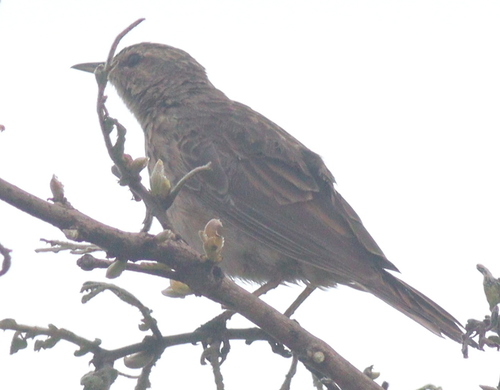
Long-billed Pipit (Anthus similis) Long-billed Pipit
Bush Pipit (Anthus caffer) Bush Pipit

Media

Loading…

In short

Long-billed Pipit and Bush Pipit are both plain, sandy-toned pipits that can be easily confused, especially when seen on the ground. The most reliable field mark is structure: Long-billed Pipit is noticeably larger, with a longer tail and a distinctly longer, darker bill. Bush Pipit is smaller and more compact, with a shorter bill and tail. Both species have similar overall coloration, so focus on size and proportions, especially if the bird is perched. Habitat can also help: Long-billed Pipit prefers rocky, open slopes, while Bush Pipit is more often found in dry woodland or savanna.

Identification tips

  1. Size and Structure: Long-billed Pipit is distinctly larger and bulkier than Bush Pipit. If you get a good look at the bird's proportions, check for a longer tail and especially a longer, darker bill on Long-billed. Bush Pipit is smaller and more compact, with a noticeably shorter bill and tail.
  2. Bill Shape: The bill of Long-billed Pipit is not just longer but also appears heavier and darker, especially at the tip. Bush Pipit's bill is shorter and more delicate, giving it a finer-headed look.
  3. Tail Length: Long-billed Pipit has a longer tail relative to its body, which can be obvious when the bird is perched or walking. Bush Pipit's tail is shorter and less prominent.
  4. Overall Coloration: Both species are sandy-grey above and pale below, with little contrast. Do not rely on subtle differences in tone or buffiness, as these are variable and unreliable in the field.
  5. Plumage Details: Neither species shows strong streaking or distinctive plumage marks in any age or season. Both are plain, so focus on structure rather than color or pattern.
  6. Flight Style: Long-billed Pipit has a strong, direct flight, but this can be hard to judge unless you are familiar with both species.
  7. Habitat: Use habitat as a strong supporting clue. Long-billed Pipit favors dry, rocky slopes with sparse vegetation, while Bush Pipit is found in bushy or wooded savanna and dry forests. If you see a pipit in open, rocky country, lean toward Long-billed; in bushveld or woodland, Bush Pipit is more likely.
  8. Behavior: Long-billed Pipit is often seen walking or running on open ground, sometimes on slopes or rocky areas. Bush Pipit may be more secretive, staying lower in vegetation.
  9. Voice: If you hear a slow, varied 'sri...churr' song or a 'chupp' call, it may indicate Long-billed Pipit, but lack of vocalization is not diagnostic for Bush Pipit.
  10. Range and Overlap: Both species occur in parts of southern and eastern Africa, but Bush Pipit is more widespread in bushveld and savanna regions, while Long-billed Pipit is patchier and more tied to rocky hills.
  11. Pitfalls: Do not rely on subtle differences in underpart color or faint streaking, as these are not consistent. Lighting and wear can make both species look even plainer.
  12. Age and Sex: No reliable age- or sex-specific field marks are described for either species; both sexes and all ages appear similarly plain and sandy.
  13. Comparison with Other Pipits: Both species can be confused with Tawny Pipit and other large pipits, but Long-billed Pipit is the largest and Bush Pipit the smallest of the two.
  14. Group Context: If you see several pipits together, compare their size and bill length directly; Long-billed will stand out as the largest, Bush Pipit as the smallest.
  15. When in Doubt: If you cannot judge size or bill length, and habitat is ambiguous, it may not be possible to separate them with confidence in the field.

Size

Long-billed Pipit is the larger species, with a body mass around 23 g [wikidata] and a length of 16–17.5 cm [wikipedia]. Bush Pipit is smaller and sometimes called 'little pipit,' reflecting its more compact build. In direct comparison, Long-billed Pipit will look bulkier, with a longer tail and bill, while Bush Pipit appears daintier and shorter overall.

Plumage

There are no detailed age-specific wing or flight pattern differences described for these two species in the available sources. Both are generally sandy-grey above and pale below, lacking strong streaking or contrast, and both can appear rather plain. Long-billed Pipit may show slightly more buff or whitish underparts, but this is subtle and unreliable. No distinctive juvenile or immature wing patterns are noted for either species, so focus on structure rather than plumage for separation at all ages.

Behaviour

Long-billed Pipit is described as having a strong, direct flight and is often seen on open rocky slopes, sometimes running or walking on the ground. Bush Pipit is more associated with bushy or wooded savanna and may be less conspicuous, often staying lower in vegetation. Both species forage on the ground, but Long-billed Pipit is more likely to be seen in open, rocky habitats, while Bush Pipit prefers areas with more cover.

Habitat

Habitat is a useful supporting clue. Long-billed Pipit breeds on dry, open slopes with rocks and sparse vegetation, often in hilly or mountainous terrain. Bush Pipit is found in subtropical or tropical dry forests and dry savanna, favoring bushy or lightly wooded areas rather than open rocky ground. If you see a pipit in rocky hills, Long-billed is more likely; in dry woodland or bushveld, Bush Pipit is the default.

Voice

Long-billed Pipit gives a characteristic 'chupp' call, similar to a desert lark, and its song is slower and more varied than Tawny Pipit, described as 'sri...churr...sri...churr.' No specific vocal description is provided for Bush Pipit in the available sources, so voice is not a reliable separator unless you are very familiar with Long-billed Pipit's calls.

Submit a better description

Use the same sections as the comparison. Your text is published immediately.

Long-billed Pipit and Bush Pipit are both plain, sandy-toned pipits that can be easily confused, especially when seen on the ground. The most reliable field mark is structure: Long-billed Pipit is noticeably larger, with a longer tail and a distinctly longer, darker bill. Bush Pipit is smaller and more compact, with a shorter bill and tail. Both species have similar overall coloration, so focus on size and proportions, especially if the bird is perched. Habitat can also help: Long-billed Pipit prefers rocky, open slopes, while Bush Pipit is more often found in dry woodland or savanna.

  1. Size and Structure: Long-billed Pipit is distinctly larger and bulkier than Bush Pipit. If you get a good look at the bird's proportions, check for a longer tail and especially a longer, darker bill on Long-billed. Bush Pipit is smaller and more compact, with a noticeably shorter bill and tail.
  2. Bill Shape: The bill of Long-billed Pipit is not just longer but also appears heavier and darker, especially at the tip. Bush Pipit's bill is shorter and more delicate, giving it a finer-headed look.
  3. Tail Length: Long-billed Pipit has a longer tail relative to its body, which can be obvious when the bird is perched or walking. Bush Pipit's tail is shorter and less prominent.
  4. Overall Coloration: Both species are sandy-grey above and pale below, with little contrast. Do not rely on subtle differences in tone or buffiness, as these are variable and unreliable in the field.
  5. Plumage Details: Neither species shows strong streaking or distinctive plumage marks in any age or season. Both are plain, so focus on structure rather than color or pattern.
  6. Flight Style: Long-billed Pipit has a strong, direct flight, but this can be hard to judge unless you are familiar with both species.
  7. Habitat: Use habitat as a strong supporting clue. Long-billed Pipit favors dry, rocky slopes with sparse vegetation, while Bush Pipit is found in bushy or wooded savanna and dry forests. If you see a pipit in open, rocky country, lean toward Long-billed; in bushveld or woodland, Bush Pipit is more likely.
  8. Behavior: Long-billed Pipit is often seen walking or running on open ground, sometimes on slopes or rocky areas. Bush Pipit may be more secretive, staying lower in vegetation.
  9. Voice: If you hear a slow, varied 'sri...churr' song or a 'chupp' call, it may indicate Long-billed Pipit, but lack of vocalization is not diagnostic for Bush Pipit.
  10. Range and Overlap: Both species occur in parts of southern and eastern Africa, but Bush Pipit is more widespread in bushveld and savanna regions, while Long-billed Pipit is patchier and more tied to rocky hills.
  11. Pitfalls: Do not rely on subtle differences in underpart color or faint streaking, as these are not consistent. Lighting and wear can make both species look even plainer.
  12. Age and Sex: No reliable age- or sex-specific field marks are described for either species; both sexes and all ages appear similarly plain and sandy.
  13. Comparison with Other Pipits: Both species can be confused with Tawny Pipit and other large pipits, but Long-billed Pipit is the largest and Bush Pipit the smallest of the two.
  14. Group Context: If you see several pipits together, compare their size and bill length directly; Long-billed will stand out as the largest, Bush Pipit as the smallest.
  15. When in Doubt: If you cannot judge size or bill length, and habitat is ambiguous, it may not be possible to separate them with confidence in the field.

Long-billed Pipit is the larger species, with a body mass around 23 g [wikidata] and a length of 16–17.5 cm [wikipedia]. Bush Pipit is smaller and sometimes called 'little pipit,' reflecting its more compact build. In direct comparison, Long-billed Pipit will look bulkier, with a longer tail and bill, while Bush Pipit appears daintier and shorter overall.

There are no detailed age-specific wing or flight pattern differences described for these two species in the available sources. Both are generally sandy-grey above and pale below, lacking strong streaking or contrast, and both can appear rather plain. Long-billed Pipit may show slightly more buff or whitish underparts, but this is subtle and unreliable. No distinctive juvenile or immature wing patterns are noted for either species, so focus on structure rather than plumage for separation at all ages.

Long-billed Pipit is described as having a strong, direct flight and is often seen on open rocky slopes, sometimes running or walking on the ground. Bush Pipit is more associated with bushy or wooded savanna and may be less conspicuous, often staying lower in vegetation. Both species forage on the ground, but Long-billed Pipit is more likely to be seen in open, rocky habitats, while Bush Pipit prefers areas with more cover.

Habitat is a useful supporting clue. Long-billed Pipit breeds on dry, open slopes with rocks and sparse vegetation, often in hilly or mountainous terrain. Bush Pipit is found in subtropical or tropical dry forests and dry savanna, favoring bushy or lightly wooded areas rather than open rocky ground. If you see a pipit in rocky hills, Long-billed is more likely; in dry woodland or bushveld, Bush Pipit is the default.

Long-billed Pipit gives a characteristic 'chupp' call, similar to a desert lark, and its song is slower and more varied than Tawny Pipit, described as 'sri...churr...sri...churr.' No specific vocal description is provided for Bush Pipit in the available sources, so voice is not a reliable separator unless you are very familiar with Long-billed Pipit's calls.

Discard your changes?

You have unsaved edits. If you leave now, those changes will be lost.

Long-billed Pipit · Bush Pipit · My Tricky Birds