

Long-billed Pipit vs Bush Pipit
Anthus similis contro Anthus caffer
Fai un quiz con Long-billed Pipit e Bush Pipit
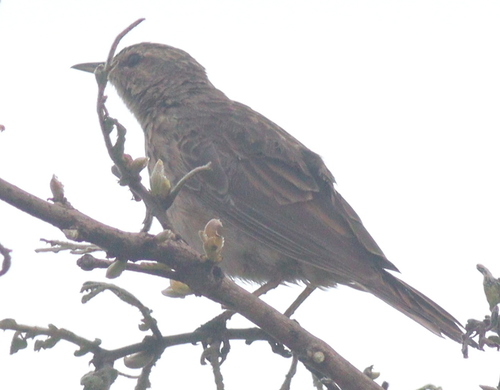 Long-billed Pipit
 Bush Pipit
In breve
Long-billed Pipit e Bush Pipit sono entrambi pipit semplici, di tonalità sabbiosa, che possono essere facilmente confusi, specialmente quando visti a terra. Il segno distintivo più affidabile è la struttura: Long-billed Pipit è notevolmente più grande, con una coda più lunga e un becco visibilmente più lungo e scuro. Bush Pipit è più piccolo e compatto, con un becco e una coda più corti. Entrambe le specie hanno una colorazione generale simile, quindi concentrati su dimensioni e proporzioni, specialmente se l'uccello è posato. L'habitat può anche aiutare: Long-billed Pipit preferisce pendii rocciosi e aperti, mentre Bush Pipit si trova più spesso in boschi asciutti o savanna.
Consigli di identificazione
- Size and Structure: Long-billed Pipit è nettamente più grande e robusto di Bush Pipit. Se hai una buona visione delle proporzioni dell'uccello, controlla una coda più lunga e soprattutto un becco più lungo e scuro su Long-billed. Bush Pipit è più piccolo e compatto, con un becco e una coda visibilmente più corti.
- Bill Shape: Il becco di Long-billed Pipit non è solo più lungo, ma appare anche più pesante e scuro, specialmente alla punta. Il becco di Bush Pipit è più corto e più delicato, conferendogli un aspetto più fine.
- Tail Length: Long-billed Pipit ha una coda più lunga rispetto al suo corpo, il che può essere ovvio quando l'uccello è posato o cammina. La coda di Bush Pipit è più corta e meno prominente.
- Overall Coloration: Entrambe le specie sono grigio-sabbiose sopra e chiare sotto, con poco contrasto. Non fare affidamento su sottili differenze di tonalità o buffiness, poiché queste sono variabili e inaffidabili sul campo.
- Plumage Details: Nessuna delle due specie mostra forti striature o segni distintivi del piumaggio in nessuna età o stagione. Entrambe sono semplici, quindi concentrati sulla struttura piuttosto che sul colore o sul motivo.
- Flight Style: Long-billed Pipit ha un volo forte e diretto, ma questo può essere difficile da giudicare a meno che tu non sia familiare con entrambe le specie.
- Habitat: Usa l'habitat come un forte indizio di supporto. Long-billed Pipit favorisce pendii asciutti e rocciosi con vegetazione scarsa, mentre Bush Pipit si trova in savanna e foreste asciutte. Se vedi un pipit in un paese aperto e roccioso, inclina verso Long-billed; in bushveld o bosco, Bush Pipit è più probabile.
- Behavior: Long-billed Pipit è spesso visto camminare o correre su terreno aperto, a volte su pendii o aree rocciose. Bush Pipit può essere più riservato, rimanendo più in basso nella vegetazione.
- Voice: Se senti una canzone lenta e variata 'sri...churr' o un richiamo 'chupp', potrebbe indicare Long-billed Pipit, ma la mancanza di vocalizzazione non è diagnostica per Bush Pipit.
- Range and Overlap: Entrambe le specie si trovano in parti dell'Africa meridionale e orientale, ma Bush Pipit è più diffuso nelle regioni di bushveld e savanna, mentre Long-billed Pipit è più sporadico e più legato a colline rocciose.
- Pitfalls: Non fare affidamento su sottili differenze nel colore delle parti inferiori o su striature deboli, poiché queste non sono consistenti. L'illuminazione e l'usura possono far sembrare entrambe le specie ancora più semplici.
- Age and Sex: Non ci sono segni di campo affidabili specifici per età o sesso descritti per nessuna delle due specie; entrambi i sessi e tutte le età appaiono simili e semplici.
- Comparison with Other Pipits: Entrambe le specie possono essere confuse con Calandro e altri grandi pipit, ma Long-billed Pipit è il più grande e Bush Pipit il più piccolo dei due.
- Group Context: Se vedi diversi pipit insieme, confronta direttamente le loro dimensioni e la lunghezza del becco; Long-billed si distinguerà come il più grande, Bush Pipit come il più piccolo.
- When in Doubt: Se non riesci a giudicare le dimensioni o la lunghezza del becco, e l'habitat è ambiguo, potrebbe non essere possibile separarli con fiducia sul campo.
Taglia
Long-billed Pipit è la specie più grande, con una massa corporea di circa 23 g [wikidata] e una lunghezza di 16–17,5 cm [wikipedia]. Bush Pipit è più piccolo e talvolta chiamato 'pipit piccolo', a riflettere la sua struttura più compatta. In un confronto diretto, Long-billed Pipit apparirà più robusto, con una coda e un becco più lunghi, mentre Bush Pipit appare più delicato e più corto nel complesso.
Piumaggio
Non ci sono differenze dettagliate specifiche per età nelle ali o nei modelli di volo descritte per queste due specie nelle fonti disponibili. Entrambe sono generalmente grigio-sabbiose sopra e chiare sotto, prive di forti striature o contrasto, e entrambe possono apparire piuttosto semplici. Long-billed Pipit può mostrare leggermente più parti inferiori color sabbia o bianche, ma questo è sottile e inaffidabile. Nessun modello distintivo di ali giovanili o immature è notato per nessuna delle due specie, quindi concentrati sulla struttura piuttosto che sul piumaggio per la separazione in tutte le età.
Comportamento
Long-billed Pipit è descritto come avente un volo forte e diretto ed è spesso visto su pendii rocciosi aperti, a volte correndo o camminando a terra. Bush Pipit è più associato a savanna e boschi e può essere meno appariscente, rimanendo spesso più in basso nella vegetazione. Entrambe le specie si nutrono a terra, ma Long-billed Pipit è più probabile che venga visto in habitat aperti e rocciosi, mentre Bush Pipit preferisce aree con più copertura.
Habitat
L'habitat è un utile indizio di supporto. Long-billed Pipit nidifica su pendii asciutti e aperti con rocce e vegetazione scarsa, spesso in terreni collinari o montuosi. Bush Pipit si trova in foreste asciutte subtropicali o tropicali e in savanna asciutta, favorendo aree cespugliose o leggermente boschive piuttosto che terreni rocciosi aperti. Se vedi un pipit in colline rocciose, Long-billed è più probabile; in boschi asciutti o bushveld, Bush Pipit è la scelta predefinita.
Voce
Long-billed Pipit emette un caratteristico richiamo 'chupp', simile a un allodola del deserto, e la sua canzone è più lenta e variata rispetto a Calandro, descritta come 'sri...churr...sri...churr.' Nessuna descrizione vocale specifica è fornita per Bush Pipit nelle fonti disponibili, quindi la voce non è un separatore affidabile a meno che tu non sia molto familiare con i richiami di Long-billed Pipit.