

Motmot

ハシナガビンズイ 対 クサハラタヒバリ

Anthus similis 対 Anthus caffer

ハシナガビンズイとクサハラタヒバリのクイズ
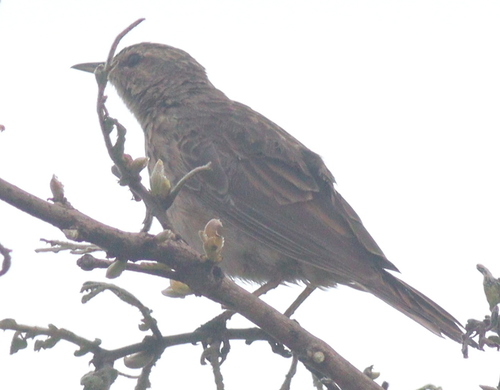
ハシナガビンズイ (Anthus similis) ハシナガビンズイ
クサハラタヒバリ (Anthus caffer) クサハラタヒバリ

メディア

読み込み中…

要点

ハシナガビンズイとクサハラタヒバリはどちらも地味で砂色のタヒバリで、特に地面で見ると混同しやすい。最も信頼できるフィールドマークは構造で、ハシナガビンズイは明らかに大きく、尾が長く、明確に長くて暗いくちばしを持っている。クサハラタヒバリは小さくてコンパクトで、くちばしと尾が短い。両種は全体的に似た色合いを持っているので、特に鳥が止まっている場合はサイズと比率に注目すること。生息地も役立つ:ハシナガビンズイは岩の多い開けた斜面を好むが、クサハラタヒバリは乾燥した森林やサバンナにより多く見られる。

識別のコツ

  1. Size and Structure: ハシナガビンズイはクサハラタヒバリよりも明らかに大きくてがっしりしている。もし鳥の比率をよく見ることができたら、ハシナガビンズイの尾が長く、特に長くて暗いくちばしをチェックすること。クサハラタヒバリは小さくてコンパクトで、くちばしと尾が明らかに短い。
  2. Bill Shape: ハシナガビンズイのくちばしは単に長いだけでなく、特に先端で重くて暗く見える。クサハラタヒバリのくちばしは短くて繊細で、より細い頭の印象を与える。
  3. Tail Length: ハシナガビンズイは体に対して尾が長く、鳥が止まっている時や歩いている時に明らかになることがある。クサハラタヒバリの尾は短くて目立たない。
  4. Overall Coloration: 両種は上面が砂灰色で、下面が淡色で、コントラストがほとんどない。微妙な色合いやバフ色の違いに頼らないこと、これらは変動しやすく、フィールドでは信頼できない。
  5. Plumage Details: どちらの種も、年齢や季節に関係なく強い縞模様や特徴的な羽毛マークを示さない。どちらも地味なので、色やパターンよりも構造に注目すること。
  6. Flight Style: ハシナガビンズイは強くて直接的な飛行を持っているが、これは両種に慣れていないと判断が難しいことがある。
  7. Habitat: 生息地を強力な手がかりとして利用すること。ハシナガビンズイは植生がまばらな乾燥した岩の多い斜面を好むが、クサハラタヒバリは茂みの多いまたは森林のあるサバンナや乾燥した森林に見られる。もし開けた岩の多い国でタヒバリを見た場合はハシナガビンズイの方に傾くべきで、茂みや森林ではクサハラタヒバリの方が可能性が高い。
  8. Behavior: ハシナガビンズイはしばしば開けた地面を歩いたり走ったりしているのが見られ、時には斜面や岩の多い場所でも見られる。クサハラタヒバリはより秘密主義的で、植生の中で低い位置に留まることが多い。
  9. Voice: ゆっくりとした変化に富んだ「sri...churr」という歌や「chupp」という呼び声を聞いた場合、ハシナガビンズイを示すかもしれないが、声の欠如はクサハラタヒバリの診断にはならない。
  10. Range and Overlap: 両種は南部および東部アフリカの一部に生息しているが、クサハラタヒバリは茂みやサバンナ地域でより広範囲に分布しており、ハシナガビンズイはより点在しており、岩の多い丘により結びついている。
  11. Pitfalls: 下部の色や微弱な縞模様の微妙な違いに頼らないこと、これらは一貫性がない。照明や摩耗によって両種はさらに地味に見えることがある。
  12. Age and Sex: どちらの種にも信頼できる年齢や性別に特有のフィールドマークは記載されていない。両性ともすべての年齢が似たように地味で砂色に見える。
  13. Comparison with Other Pipits: 両種はムジタヒバリや他の大型タヒバリと混同されることがあるが、ハシナガビンズイが最も大きく、クサハラタヒバリが二つの中で最も小さい。
  14. Group Context: いくつかのタヒバリを一緒に見る場合は、サイズとくちばしの長さを直接比較すること。ハシナガビンズイは最も大きく、クサハラタヒバリは最も小さいことが目立つ。
  15. When in Doubt: サイズやくちばしの長さを判断できず、生息地が曖昧な場合、フィールドで自信を持って区別することは難しいかもしれない。

大きさ

ハシナガビンズイは大きな種で、体重は約23 g [wikidata]、長さは16–17.5 cm [wikipedia]である。クサハラタヒバリは小さく、時には「小さなタヒバリ」と呼ばれ、そのよりコンパクトな体型を反映している。直接比較すると、ハシナガビンズイはがっしりして見え、尾とくちばしが長く、クサハラタヒバリは全体的により華奢で短く見える。

羽色

利用可能な情報源には、これら二種の年齢特有の翼や飛行パターンの違いについての詳細は記載されていない。両種は一般的に上面が砂灰色で、下面が淡色で、強い縞模様やコントラストがなく、どちらもかなり地味に見える。ハシナガビンズイはわずかにバフ色または白っぽい下面を示すことがあるが、これは微妙で信頼できない。どちらの種にも特徴的な幼鳥や未成熟の翼のパターンは記載されていないので、すべての年齢での区別には羽毛よりも構造に注目すること。

行動

ハシナガビンズイは強くて直接的な飛行を持ち、しばしば開けた岩の多い斜面で見られ、時には地面を走ったり歩いたりする。クサハラタヒバリは茂みの多いまたは森林のあるサバンナに関連しており、目立たないことが多く、しばしば植生の中で低い位置に留まる。両種は地面で餌を探すが、ハシナガビンズイは開けた岩の多い生息地で見られる可能性が高く、クサハラタヒバリはより多くのカバーのある場所を好む。

生息環境

生息地は有用な手がかりである。ハシナガビンズイは岩やまばらな植生のある乾燥した開けた斜面で繁殖し、しばしば丘陵や山岳地帯に生息する。クサハラタヒバリは亜熱帯または熱帯の乾燥した森林や乾燥したサバンナに見られ、開けた岩の多い地面よりも茂みの多いまたは軽く木立のある地域を好む。岩の多い丘でタヒバリを見た場合はハシナガビンズイの可能性が高く、乾燥した森林や茂みではクサハラタヒバリがデフォルトである。

声

ハシナガビンズイは砂漠のヒバリに似た特徴的な「chupp」という呼び声を出し、その歌はムジタヒバリよりも遅くて多様で、「sri...churr...sri...churr」と表現される。利用可能な情報源にはクサハラタヒバリの特定の声の説明は提供されていないため、声はハシナガビンズイの呼び声に非常に慣れていない限り、信頼できる区別にはならない。

より良い説明を送る

比較と同じ項目を使ってください。文章はすぐに公開されます。

Long-billed Pipit and Bush Pipit are both plain, sandy-toned pipits that can be easily confused, especially when seen on the ground. The most reliable field mark is structure: Long-billed Pipit is noticeably larger, with a longer tail and a distinctly longer, darker bill. Bush Pipit is smaller and more compact, with a shorter bill and tail. Both species have similar overall coloration, so focus on size and proportions, especially if the bird is perched. Habitat can also help: Long-billed Pipit prefers rocky, open slopes, while Bush Pipit is more often found in dry woodland or savanna.

  1. Size and Structure: Long-billed Pipit is distinctly larger and bulkier than Bush Pipit. If you get a good look at the bird's proportions, check for a longer tail and especially a longer, darker bill on Long-billed. Bush Pipit is smaller and more compact, with a noticeably shorter bill and tail.
  2. Bill Shape: The bill of Long-billed Pipit is not just longer but also appears heavier and darker, especially at the tip. Bush Pipit's bill is shorter and more delicate, giving it a finer-headed look.
  3. Tail Length: Long-billed Pipit has a longer tail relative to its body, which can be obvious when the bird is perched or walking. Bush Pipit's tail is shorter and less prominent.
  4. Overall Coloration: Both species are sandy-grey above and pale below, with little contrast. Do not rely on subtle differences in tone or buffiness, as these are variable and unreliable in the field.
  5. Plumage Details: Neither species shows strong streaking or distinctive plumage marks in any age or season. Both are plain, so focus on structure rather than color or pattern.
  6. Flight Style: Long-billed Pipit has a strong, direct flight, but this can be hard to judge unless you are familiar with both species.
  7. Habitat: Use habitat as a strong supporting clue. Long-billed Pipit favors dry, rocky slopes with sparse vegetation, while Bush Pipit is found in bushy or wooded savanna and dry forests. If you see a pipit in open, rocky country, lean toward Long-billed; in bushveld or woodland, Bush Pipit is more likely.
  8. Behavior: Long-billed Pipit is often seen walking or running on open ground, sometimes on slopes or rocky areas. Bush Pipit may be more secretive, staying lower in vegetation.
  9. Voice: If you hear a slow, varied 'sri...churr' song or a 'chupp' call, it may indicate Long-billed Pipit, but lack of vocalization is not diagnostic for Bush Pipit.
  10. Range and Overlap: Both species occur in parts of southern and eastern Africa, but Bush Pipit is more widespread in bushveld and savanna regions, while Long-billed Pipit is patchier and more tied to rocky hills.
  11. Pitfalls: Do not rely on subtle differences in underpart color or faint streaking, as these are not consistent. Lighting and wear can make both species look even plainer.
  12. Age and Sex: No reliable age- or sex-specific field marks are described for either species; both sexes and all ages appear similarly plain and sandy.
  13. Comparison with Other Pipits: Both species can be confused with Tawny Pipit and other large pipits, but Long-billed Pipit is the largest and Bush Pipit the smallest of the two.
  14. Group Context: If you see several pipits together, compare their size and bill length directly; Long-billed will stand out as the largest, Bush Pipit as the smallest.
  15. When in Doubt: If you cannot judge size or bill length, and habitat is ambiguous, it may not be possible to separate them with confidence in the field.

Long-billed Pipit is the larger species, with a body mass around 23 g [wikidata] and a length of 16–17.5 cm [wikipedia]. Bush Pipit is smaller and sometimes called 'little pipit,' reflecting its more compact build. In direct comparison, Long-billed Pipit will look bulkier, with a longer tail and bill, while Bush Pipit appears daintier and shorter overall.

There are no detailed age-specific wing or flight pattern differences described for these two species in the available sources. Both are generally sandy-grey above and pale below, lacking strong streaking or contrast, and both can appear rather plain. Long-billed Pipit may show slightly more buff or whitish underparts, but this is subtle and unreliable. No distinctive juvenile or immature wing patterns are noted for either species, so focus on structure rather than plumage for separation at all ages.

Long-billed Pipit is described as having a strong, direct flight and is often seen on open rocky slopes, sometimes running or walking on the ground. Bush Pipit is more associated with bushy or wooded savanna and may be less conspicuous, often staying lower in vegetation. Both species forage on the ground, but Long-billed Pipit is more likely to be seen in open, rocky habitats, while Bush Pipit prefers areas with more cover.

Habitat is a useful supporting clue. Long-billed Pipit breeds on dry, open slopes with rocks and sparse vegetation, often in hilly or mountainous terrain. Bush Pipit is found in subtropical or tropical dry forests and dry savanna, favoring bushy or lightly wooded areas rather than open rocky ground. If you see a pipit in rocky hills, Long-billed is more likely; in dry woodland or bushveld, Bush Pipit is the default.

Long-billed Pipit gives a characteristic 'chupp' call, similar to a desert lark, and its song is slower and more varied than Tawny Pipit, described as 'sri...churr...sri...churr.' No specific vocal description is provided for Bush Pipit in the available sources, so voice is not a reliable separator unless you are very familiar with Long-billed Pipit's calls.

変更を破棄しますか?

保存していない編集があります。今離れると失われます。

ハシナガビンズイ · クサハラタヒバリ · 苦手な鳥