

Least Bittern vs Yellow Bittern
Botaurus exilis versus Botaurus sinensis
Play a quiz with Least Bittern and Yellow Bittern
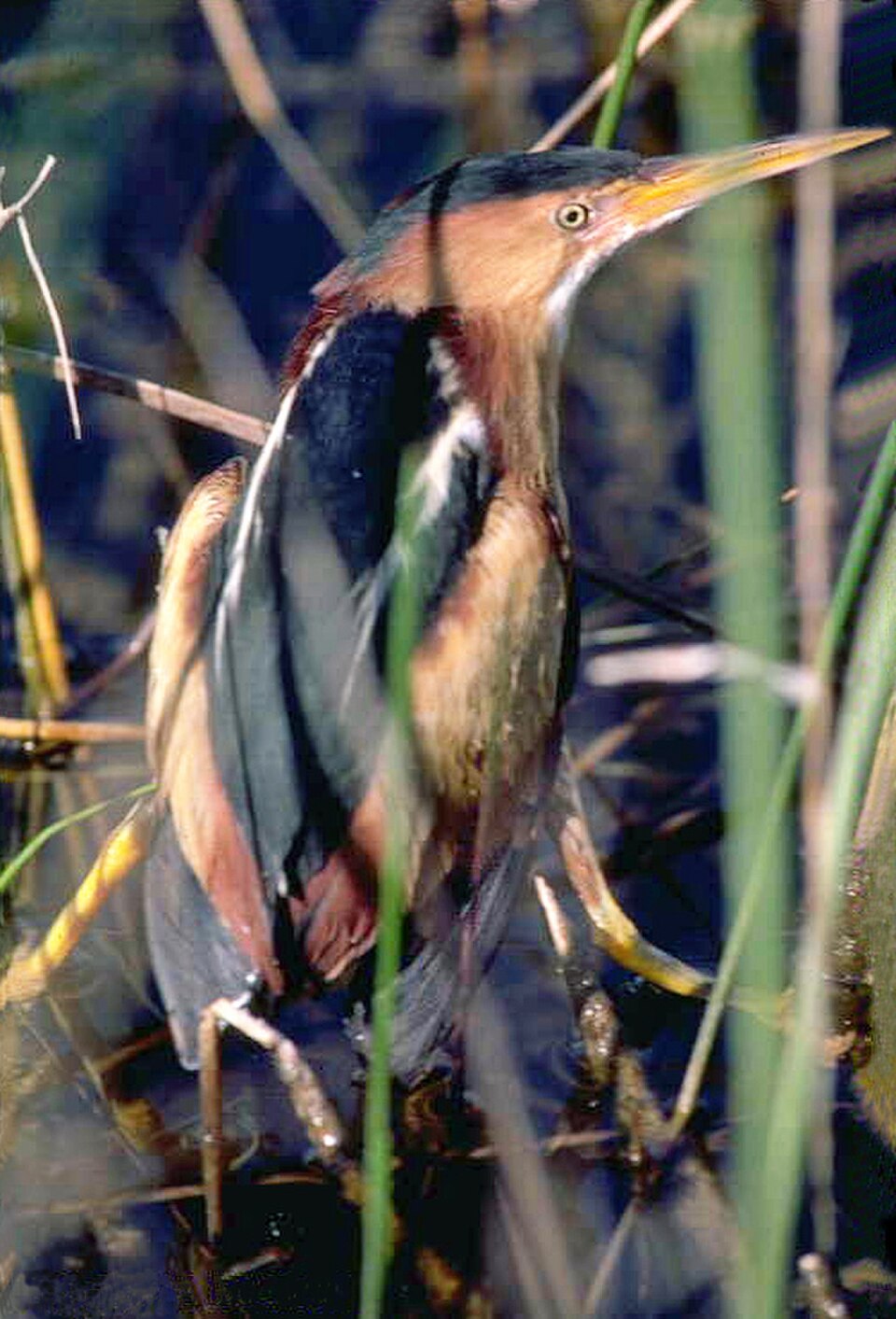 Least Bittern
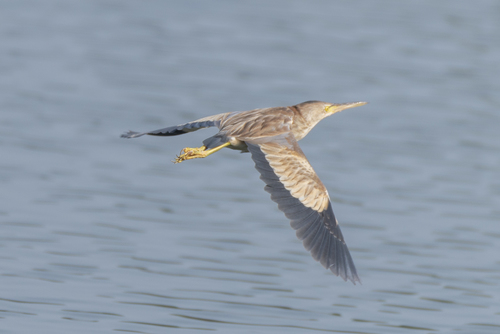 Yellow Bittern
In short
The most reliable way to separate Least Bittern and Yellow Bittern is by overall size and key plumage details, especially in adult males: Least Bittern is distinctly smaller and lighter, with a greenish-black or brown back and crown (depending on sex), while Yellow Bittern is larger, with males showing a dark cap and chestnut head and neck. Females and immatures of both species are streaked and brownish, but Yellow Bitterns are always bulkier and have a more uniform yellowish or buff tone below. In flight, Least Bitterns show pale patches on the wings, while Yellow Bitterns appear more uniformly buff or rufous. Structural differences—especially bill length and leg color—also help, but look for the combination of size, plumage, and flight pattern for the most confident ID.
Identification tips
- Size is a major clue: Least Bittern is much smaller and lighter than Yellow Bittern—if the bird looks especially tiny and delicate for a heron, Least Bittern is likely.
- Adult male plumage: Least Bittern males have a glossy greenish-black back and crown, while Yellow Bittern males have a dark cap but a chestnut head and neck with dull yellow above and buff below. No greenish gloss in Yellow Bittern.
- Adult female plumage: Female Least Bitterns are glossy brown above with white shoulder lines; female Yellow Bitterns are streaked on the cap, neck, and breast, with a rufous hindneck and streaked underparts.
- Juvenile/immature pattern: Juvenile Yellow Bitterns are more boldly streaked and mottled with buff above, while Least Bittern juveniles are paler below with lighter brown streaks and less contrast.
- Wing pattern in flight: Least Bitterns show pale brown patches on the wings (from the coverts) in flight; Yellow Bitterns appear more uniformly buff or rufous, lacking strong pale panels.
- Bill color and shape: Least Bittern has a yellow bill; Yellow Bittern's bill is ivory (darker on top) and appears longer and heavier in proportion to the head.
- Leg color: Yellow Bittern has yellow-green legs, which can be a subtle but helpful mark if seen well.
- Eye color: Both species have yellow irises, so this is not a useful separator.
- Tail: Yellow Bittern has a short black tail, which may be visible in good views; Least Bittern's tail is not described as contrastingly dark.
- Shoulder lines: White lines on the shoulders are present in both sexes of Least Bittern but not in Yellow Bittern.
- Behavior: Least Bittern is more likely to be seen climbing among reeds or straddling them, often above water; Yellow Bittern is more robust and less acrobatic.
- Freezing posture: Both species freeze with bill up, but Least Bittern is especially known for swaying to mimic reeds.
- Habitat and range: If you are in the Americas, especially in cattail marshes, Least Bittern is expected; in Asia, Yellow Bittern is the default. Only rare vagrants appear outside these ranges.
- Voice: No diagnostic vocal differences are described in the sources provided.
- Pitfalls: Females and juveniles of both species are streaked and brownish, so size, wing pattern in flight, and structural differences (bill, leg color) are most reliable in these ages.
Size
Least Bittern is one of the smallest herons globally, measuring 28–36 cm in length and weighing about 80 g on average. Yellow Bittern is noticeably larger, at 36–38 cm in length (no mass given, but clearly heavier and bulkier in direct comparison). In the field, Least Bittern often appears much more delicate and slim, while Yellow Bittern has a stouter, more robust look. If both are seen together (rare outside vagrancy), the size gap is obvious.
Plumage
- Juvenile/Immature: Both species have streaked brown and buff plumage, but Yellow Bittern juveniles are more boldly streaked above and below, with brown on the head and back and a generally more mottled appearance. Least Bittern immatures are paler below with lighter brown streaks and less contrast overall.
- Adult Male: Least Bittern males have a glossy greenish-black back and crown, with white lines on the shoulders and light brown wing coverts; underparts are white with light brown streaks. Yellow Bittern males have a dark cap, chestnut head and neck, and a dull yellow body above with buff underparts—no greenish gloss or white shoulder lines.
- Adult Female: Female Least Bitterns have a glossy brown back and crown, with similar white shoulder lines and pale underparts. Female Yellow Bitterns are streaked on the cap, neck, and breast, with a rufous hindneck and upper back, and the underparts are streaked dark red-brown and buff.
- Flight: Least Bitterns show pale brown patches on the wings in flight (from the coverts); Yellow Bitterns appear more uniformly buff or rufous in flight, lacking obvious pale panels.
Behaviour
Least Bittern is highly secretive, often straddling reeds and freezing with bill pointed skyward when alarmed, sometimes swaying to mimic marsh vegetation. It is adapted to moving through dense reeds and can compress its body to fit through narrow spaces. Yellow Bittern is also secretive but tends to be less acrobatic and more robust in posture, with a shorter neck and a heavier, more deliberate movement. Both species are more often heard than seen, but Least Bittern is especially elusive and spends more time climbing among reeds above water.
Habitat
Least Bittern is found in large marshes with dense vegetation in the Americas, especially cattail and sawgrass marshes. Yellow Bittern occupies similar wetland habitats but is restricted to the Old World (Asia, from the Indian subcontinent to Japan and Indonesia). Both prefer dense emergent vegetation, but their ranges do not overlap except for rare vagrancy (Yellow Bittern to Alaska).