

Motmot

コヨシゴイ 対 ヨシゴイ

Botaurus exilis 対 Botaurus sinensis

コヨシゴイとヨシゴイのクイズ
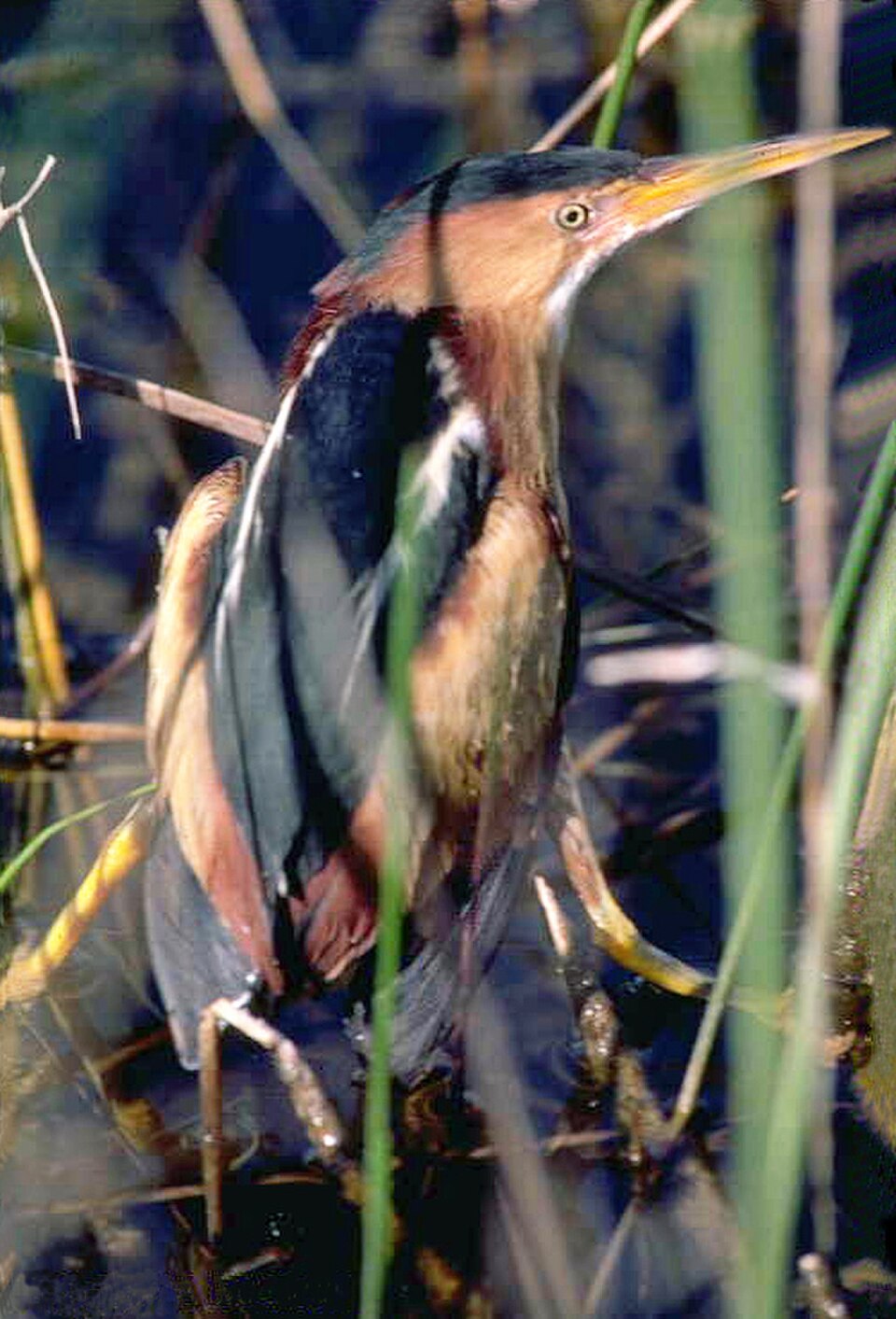
コヨシゴイ (Botaurus exilis) コヨシゴイ
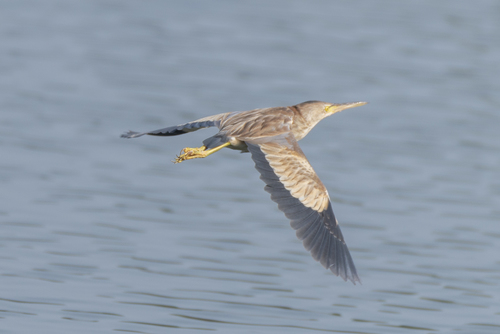
ヨシゴイ (Botaurus sinensis) ヨシゴイ

メディア

読み込み中…

要点

コヨシゴイとヨシゴイを区別する最も信頼できる方法は、全体のサイズと重要な羽毛の詳細、特に成鳥のオスにあります。コヨシゴイは明らかに小さく、軽く、性別に応じて緑がかった黒または茶色の背中と冠を持っています。一方、ヨシゴイは大きく、オスは暗い帽子と栗色の頭と首を示します。両種の雌と幼鳥は縞模様で茶色がかっていますが、ヨシゴイは常によりがっしりとしており、下側はより均一な黄色またはバフのトーンを持っています。飛行中、コヨシゴイは翼に淡い斑点を示しますが、ヨシゴイはより均一にバフまたは赤褐色に見えます。構造的な違い、特にくちばしの長さと脚の色も役立ちますが、最も自信のある識別のためにはサイズ、羽毛、飛行パターンの組み合わせを探してください。

識別のコツ

  1. サイズは重要な手がかりです: コヨシゴイはヨシゴイよりもはるかに小さく、軽いです。もしその鳥が特に小さくて繊細に見えるなら、コヨシゴイの可能性が高いです。
  2. 成鳥のオスの羽毛: コヨシゴイのオスは光沢のある緑がかった黒の背中と冠を持っていますが、ヨシゴイのオスは暗い帽子を持ち、栗色の頭と首は上が鈍い黄色、下がバフです。ヨシゴイには緑がかった光沢はありません。
  3. 成鳥の雌の羽毛: 雌のコヨシゴイは光沢のある茶色で、白い肩のラインがあります。雌のヨシゴイは帽子、首、胸に縞模様があり、赤褐色の後頭部と縞模様の下部があります。
  4. 幼鳥/未成熟のパターン: 幼いヨシゴイは上と下でより大胆に縞模様があり、コヨシゴイの幼鳥は下がより淡く、明るい茶色の縞模様があり、全体的にコントラストが少ないです。
  5. 飛行中の翼のパターン: コヨシゴイは飛行中に翼に淡い茶色の斑点を示します(覆羽から);ヨシゴイは飛行中により均一にバフまたは赤褐色に見え、明確な淡いパネルはありません。
  6. くちばしの色と形: コヨシゴイは黄色のくちばしを持っています;ヨシゴイのくちばしはアイボリー(上が暗い)で、頭に対して長くて重く見えます。
  7. 脚の色: ヨシゴイは黄色がかった緑の脚を持っており、よく見れば微妙ですが役立つ特徴です。
  8. 目の色: 両種ともに黄色の虹彩を持っているため、これは有用な区別にはなりません。
  9. 尾: ヨシゴイは短い黒い尾を持っており、良い視界で見えることがあります;コヨシゴイの尾は対照的に暗いとは記述されていません。
  10. 肩のライン: コヨシゴイの両性に白い肩のラインがありますが、ヨシゴイにはありません。
  11. 行動: コヨシゴイは葦の間を登るのが見られる可能性が高く、しばしば水の上でそれらをまたいでいます;ヨシゴイはよりがっしりとしており、アクロバティックではありません。
  12. 凍結姿勢: 両種ともにくちばしを上に向けて凍りつきますが、コヨシゴイは特に葦を模倣するために揺れることで知られています。
  13. 生息地と範囲: アメリカにいる場合、特にカヤツリグサの湿地ではコヨシゴイが期待されます;アジアではヨシゴイがデフォルトです。これらの範囲の外に出るのは稀な迷鳥だけです。
  14. 声: 提供された情報源には診断的な声の違いは記述されていません。
  15. 落とし穴: 両種の雌と幼鳥は縞模様で茶色がかっているため、サイズ、飛行中の翼のパターン、構造的な違い(くちばし、脚の色)がこれらの年齢で最も信頼できるものです。

大きさ

コヨシゴイは世界で最も小さなサギの一つで、全長28〜36 cm、平均で約80 gの重さです。ヨシゴイは明らかに大きく、全長36〜38 cm(質量は記載されていませんが、明らかに直接比較で重く、がっしりとしています)。現場では、コヨシゴイはしばしばより繊細でスリムに見え、ヨシゴイはよりがっしりとした、より頑丈な外観を持っています。両者が一緒に見られる場合(迷鳥以外では稀)、サイズの差は明らかです。

羽色

行動

コヨシゴイは非常に秘密主義で、しばしば葦の間をまたいで、警戒するときにくちばしを空に向けて凍りつき、時には湿地の植物を模倣するために揺れます。密集した葦の中を移動するように適応しており、狭い空間を通るために体を圧縮できます。ヨシゴイも秘密主義ですが、アクロバティックではなく、より頑丈な姿勢を持ち、首が短く、より重く、意図的な動きをします。両種は見られるよりも聞かれることが多いですが、コヨシゴイは特に捉えにくく、水の上の葦の間を登る時間が多いです。

生息環境

コヨシゴイはアメリカの密集した植生のある大きな湿地、特にカヤツリグサやサワグルミの湿地で見られます。ヨシゴイは同様の湿地生息地を占めていますが、旧世界(アジア、インド亜大陸から日本とインドネシア)に制限されています。両者は密集した浮遊植物を好みますが、範囲は重複せず、稀な迷鳥(ヨシゴイがアラスカに)を除きます。

より良い説明を送る

比較と同じ項目を使ってください。文章はすぐに公開されます。

The most reliable way to separate Least Bittern and Yellow Bittern is by overall size and key plumage details, especially in adult males: Least Bittern is distinctly smaller and lighter, with a greenish-black or brown back and crown (depending on sex), while Yellow Bittern is larger, with males showing a dark cap and chestnut head and neck. Females and immatures of both species are streaked and brownish, but Yellow Bitterns are always bulkier and have a more uniform yellowish or buff tone below. In flight, Least Bitterns show pale patches on the wings, while Yellow Bitterns appear more uniformly buff or rufous. Structural differences—especially bill length and leg color—also help, but look for the combination of size, plumage, and flight pattern for the most confident ID.

  1. Size is a major clue: Least Bittern is much smaller and lighter than Yellow Bittern—if the bird looks especially tiny and delicate for a heron, Least Bittern is likely.
  2. Adult male plumage: Least Bittern males have a glossy greenish-black back and crown, while Yellow Bittern males have a dark cap but a chestnut head and neck with dull yellow above and buff below. No greenish gloss in Yellow Bittern.
  3. Adult female plumage: Female Least Bitterns are glossy brown above with white shoulder lines; female Yellow Bitterns are streaked on the cap, neck, and breast, with a rufous hindneck and streaked underparts.
  4. Juvenile/immature pattern: Juvenile Yellow Bitterns are more boldly streaked and mottled with buff above, while Least Bittern juveniles are paler below with lighter brown streaks and less contrast.
  5. Wing pattern in flight: Least Bitterns show pale brown patches on the wings (from the coverts) in flight; Yellow Bitterns appear more uniformly buff or rufous, lacking strong pale panels.
  6. Bill color and shape: Least Bittern has a yellow bill; Yellow Bittern's bill is ivory (darker on top) and appears longer and heavier in proportion to the head.
  7. Leg color: Yellow Bittern has yellow-green legs, which can be a subtle but helpful mark if seen well.
  8. Eye color: Both species have yellow irises, so this is not a useful separator.
  9. Tail: Yellow Bittern has a short black tail, which may be visible in good views; Least Bittern's tail is not described as contrastingly dark.
  10. Shoulder lines: White lines on the shoulders are present in both sexes of Least Bittern but not in Yellow Bittern.
  11. Behavior: Least Bittern is more likely to be seen climbing among reeds or straddling them, often above water; Yellow Bittern is more robust and less acrobatic.
  12. Freezing posture: Both species freeze with bill up, but Least Bittern is especially known for swaying to mimic reeds.
  13. Habitat and range: If you are in the Americas, especially in cattail marshes, Least Bittern is expected; in Asia, Yellow Bittern is the default. Only rare vagrants appear outside these ranges.
  14. Voice: No diagnostic vocal differences are described in the sources provided.
  15. Pitfalls: Females and juveniles of both species are streaked and brownish, so size, wing pattern in flight, and structural differences (bill, leg color) are most reliable in these ages.

Least Bittern is one of the smallest herons globally, measuring 28–36 cm in length and weighing about 80 g on average. Yellow Bittern is noticeably larger, at 36–38 cm in length (no mass given, but clearly heavier and bulkier in direct comparison). In the field, Least Bittern often appears much more delicate and slim, while Yellow Bittern has a stouter, more robust look. If both are seen together (rare outside vagrancy), the size gap is obvious.

  • Juvenile/Immature: Both species have streaked brown and buff plumage, but Yellow Bittern juveniles are more boldly streaked above and below, with brown on the head and back and a generally more mottled appearance. Least Bittern immatures are paler below with lighter brown streaks and less contrast overall.
  • Adult Male: Least Bittern males have a glossy greenish-black back and crown, with white lines on the shoulders and light brown wing coverts; underparts are white with light brown streaks. Yellow Bittern males have a dark cap, chestnut head and neck, and a dull yellow body above with buff underparts—no greenish gloss or white shoulder lines.
  • Adult Female: Female Least Bitterns have a glossy brown back and crown, with similar white shoulder lines and pale underparts. Female Yellow Bitterns are streaked on the cap, neck, and breast, with a rufous hindneck and upper back, and the underparts are streaked dark red-brown and buff.
  • Flight: Least Bitterns show pale brown patches on the wings in flight (from the coverts); Yellow Bitterns appear more uniformly buff or rufous in flight, lacking obvious pale panels.

Least Bittern is highly secretive, often straddling reeds and freezing with bill pointed skyward when alarmed, sometimes swaying to mimic marsh vegetation. It is adapted to moving through dense reeds and can compress its body to fit through narrow spaces. Yellow Bittern is also secretive but tends to be less acrobatic and more robust in posture, with a shorter neck and a heavier, more deliberate movement. Both species are more often heard than seen, but Least Bittern is especially elusive and spends more time climbing among reeds above water.

Least Bittern is found in large marshes with dense vegetation in the Americas, especially cattail and sawgrass marshes. Yellow Bittern occupies similar wetland habitats but is restricted to the Old World (Asia, from the Indian subcontinent to Japan and Indonesia). Both prefer dense emergent vegetation, but their ranges do not overlap except for rare vagrancy (Yellow Bittern to Alaska).

変更を破棄しますか?

保存していない編集があります。今離れると失われます。

コヨシゴイ · ヨシゴイ · 苦手な鳥