

Least Bittern vs Yellow Bittern
Botaurus exilis contro Botaurus sinensis
Fai un quiz con Least Bittern e Yellow Bittern
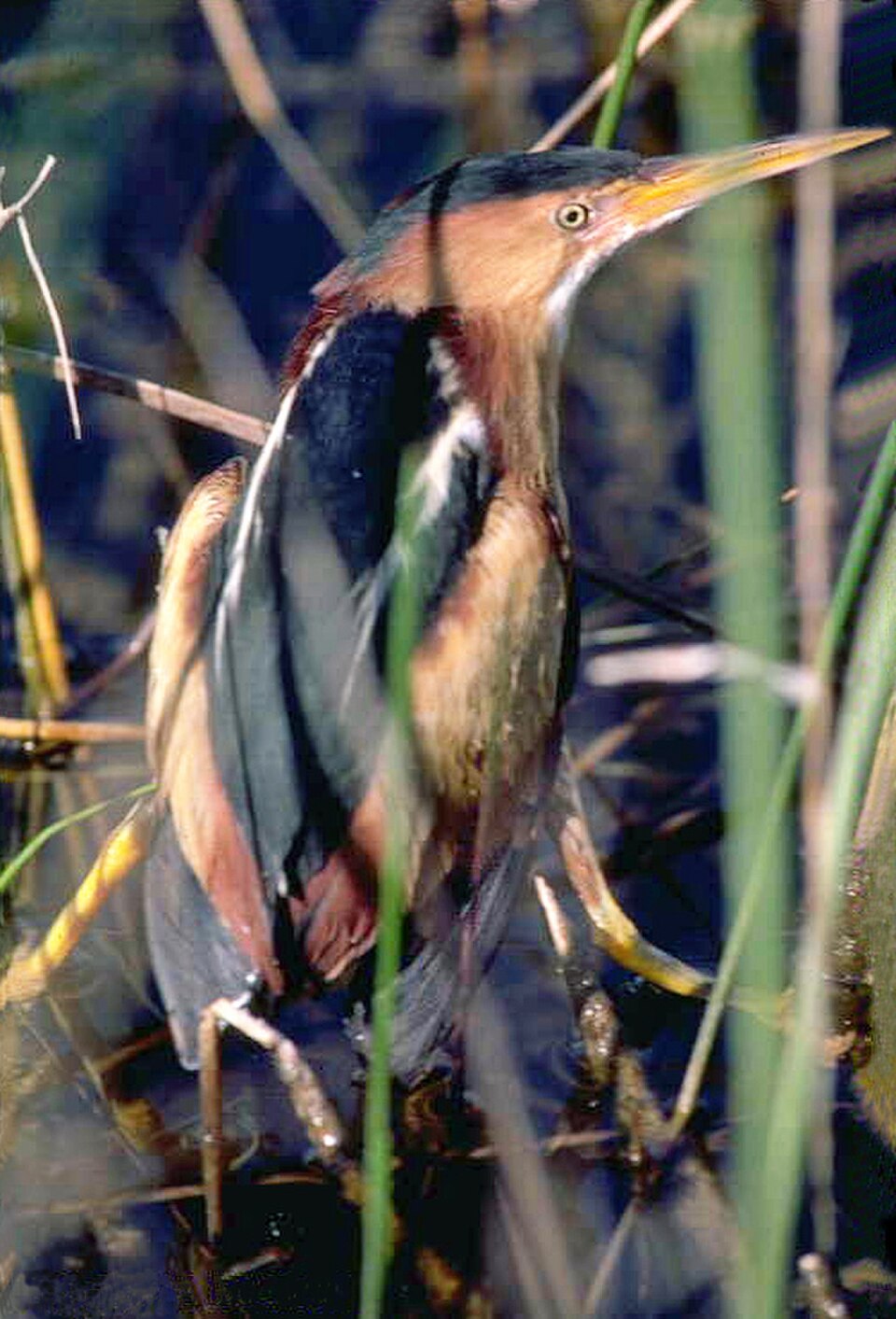 Least Bittern
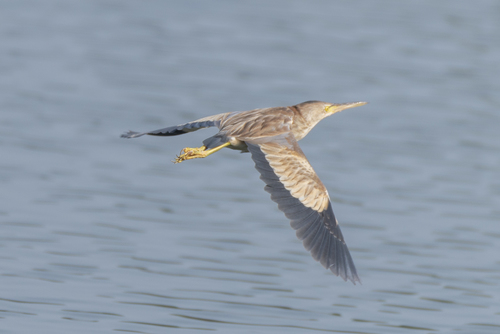 Yellow Bittern
In breve
Il modo più affidabile per separare Least Bittern e Yellow Bittern è attraverso le dimensioni complessive e i dettagli chiave del piumaggio, specialmente nei maschi adulti: il Least Bittern è decisamente più piccolo e leggero, con un dorso e una corona di colore verde-nero o marrone (a seconda del sesso), mentre il Yellow Bittern è più grande, con i maschi che mostrano un cappello scuro e una testa e un collo castano. Le femmine e gli immaturi di entrambe le specie sono striati e marroni, ma i Yellow Bittern sono sempre più robusti e hanno un tono più uniforme giallastro o buff sotto. In volo, i Least Bittern mostrano macchie chiare sulle ali, mentre i Yellow Bittern appaiono più uniformemente buff o rufous. Le differenze strutturali—specialmente la lunghezza del becco e il colore delle gambe—aiutano anche, ma cerca la combinazione di dimensioni, piumaggio e schema di volo per l'identificazione più sicura.
Consigli di identificazione
- Size is a major clue: Least Bittern è molto più piccolo e leggero rispetto a Yellow Bittern—se l'uccello appare particolarmente piccolo e delicato per un airone, è probabile che sia un Least Bittern.
- Adult male plumage: I maschi di Least Bittern hanno un dorso e una corona verde-neri lucidi, mentre i maschi di Yellow Bittern hanno un cappello scuro ma una testa e un collo castano con giallo opaco sopra e buff sotto. Nessun riflesso verde in Yellow Bittern.
- Adult female plumage: Le femmine di Least Bittern sono marroni lucide sopra con linee bianche sulle spalle; le femmine di Yellow Bittern sono striate sul cappello, collo e petto, con un collo posteriore rufous e parti inferiori striate.
- Juvenile/immature pattern: I giovani Yellow Bittern sono più audacemente striati e maculati con buff sopra, mentre i giovani Least Bittern sono più chiari sotto con striature marroni più chiare e meno contrasto.
- Wing pattern in flight: I Least Bittern mostrano macchie marroni chiare sulle ali (dalle copritrici) in volo; i Yellow Bittern appaiono più uniformemente buff o rufous, privi di forti pannelli chiari.
- Bill color and shape: Least Bittern ha un becco giallo; il becco di Yellow Bittern è avorio (più scuro sopra) e appare più lungo e pesante in proporzione alla testa.
- Leg color: Yellow Bittern ha gambe giallo-verdi, che possono essere un segno sottile ma utile se viste bene.
- Eye color: Entrambe le specie hanno iridi gialle, quindi questo non è un separatore utile.
- Tail: Yellow Bittern ha una coda nera corta, che può essere visibile in buone viste; la coda di Least Bittern non è descritta come contrastante scura.
- Shoulder lines: Le linee bianche sulle spalle sono presenti in entrambi i sessi di Least Bittern ma non in Yellow Bittern.
- Behavior: Least Bittern è più probabile che venga visto arrampicarsi tra le canne o sorreggerle, spesso sopra l'acqua; Yellow Bittern è più robusto e meno acrobatico.
- Freezing posture: Entrambe le specie si congelano con il becco in alto, ma Least Bittern è particolarmente noto per dondolarsi per imitare le canne.
- Habitat and range: Se ti trovi nelle Americhe, specialmente nelle paludi di giunco, ci si aspetta di vedere Least Bittern; in Asia, Yellow Bittern è la norma. Solo rari vagabondi appaiono al di fuori di queste aree.
- Voice: Non sono descritte differenze vocali diagnostiche nelle fonti fornite.
- Pitfalls: Le femmine e i giovani di entrambe le specie sono striati e marroni, quindi dimensioni, schema delle ali in volo e differenze strutturali (becco, colore delle gambe) sono più affidabili in queste età.
Taglia
Least Bittern è uno dei più piccoli aironi a livello globale, misurando 28–36 cm di lunghezza e pesando circa 80 g in media. Yellow Bittern è notevolmente più grande, con una lunghezza di 36–38 cm (nessuna massa fornita, ma chiaramente più pesante e robusto in confronto diretto). Sul campo, il Least Bittern appare spesso molto più delicato e snello, mentre il Yellow Bittern ha un aspetto più robusto e massiccio. Se entrambi sono visti insieme (raro al di fuori della vagabondaggio), il divario di dimensioni è ovvio.
Piumaggio
- Juvenile/Immature: Entrambe le specie hanno piumaggio marrone e buff striato, ma i giovani Yellow Bittern sono più audacemente striati sopra e sotto, con marrone sulla testa e sul dorso e un aspetto generalmente più maculato. Gli immaturi di Least Bittern sono più chiari sotto con striature marroni più chiare e meno contrasto complessivo.
- Adult Male: I maschi di Least Bittern hanno un dorso e una corona verde-neri lucidi, con linee bianche sulle spalle e copritrici delle ali marroni chiare; le parti inferiori sono bianche con striature marroni chiare. I maschi di Yellow Bittern hanno un cappello scuro, testa e collo castano, e un corpo giallo opaco sopra con parti inferiori buff—nessun riflesso verde o linee bianche sulle spalle.
- Adult Female: Le femmine di Least Bittern hanno un dorso e una corona marroni lucidi, con simili linee bianche sulle spalle e parti inferiori chiare. Le femmine di Yellow Bittern sono striate sul cappello, collo e petto, con un collo posteriore rufous e parte superiore della schiena, e le parti inferiori sono striate di rosso-marrone scuro e buff.
- Flight: I Least Bittern mostrano macchie marroni chiare sulle ali in volo (dalle copritrici); i Yellow Bittern appaiono più uniformemente buff o rufous in volo, privi di pannelli chiari evidenti.
Comportamento
Least Bittern è altamente segreto, spesso sorreggendo le canne e congelandosi con il becco puntato verso il cielo quando allarmato, a volte dondolandosi per imitare la vegetazione palustre. È adattato a muoversi attraverso dense canne e può comprimere il suo corpo per adattarsi a spazi ristretti. Anche il Yellow Bittern è segreto ma tende a essere meno acrobatico e più robusto nella postura, con un collo più corto e un movimento più pesante e deliberato. Entrambe le specie sono più spesso ascoltate che viste, ma il Least Bittern è particolarmente sfuggente e trascorre più tempo arrampicandosi tra le canne sopra l'acqua.
Habitat
Least Bittern si trova in grandi paludi con vegetazione densa nelle Americhe, specialmente nelle paludi di giunco e di erba seghettata. Il Yellow Bittern occupa habitat umidi simili ma è ristretto al Vecchio Mondo (Asia, dal subcontinente indiano al Giappone e all'Indonesia). Entrambi preferiscono vegetazione emergente densa, ma i loro areali non si sovrappongono tranne che per rari vagabondi (Yellow Bittern in Alaska).