

Motmot

Grey-headed Swamphen vs White-browed Crake

Porphyrio poliocephalus versus Poliolimnas cinereus

Play a quiz with Grey-headed Swamphen and White-browed Crake
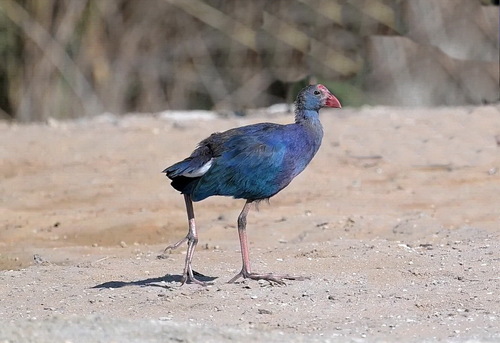
Grey-headed Swamphen (Porphyrio poliocephalus) Grey-headed Swamphen
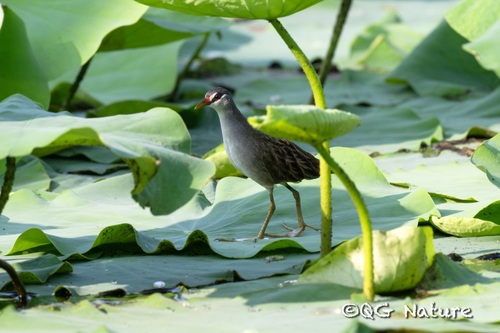
White-browed Crake (Poliolimnas cinereus) White-browed Crake

Media

Loading…

In short

The most reliable field mark to separate Grey-headed Swamphen from White-browed Crake is sheer size and bulk: swamphens are much larger, with a thick red bill and pale grey head, while the crake is a small, slender rail with a distinct white eyebrow. In flight or on the water, the swamphen’s greenish wings, red legs, and robust structure stand out, compared to the crake’s daintier build and subtler plumage. If you see a large, purple-blue bird with a pale head and obvious red bill, it’s the swamphen; if it’s a small, brownish rail with a white supercilium, it’s the crake. Both can occur in similar wetland habitats, but their size, structure, and head pattern are unmistakably different.

Identification tips

  1. Size is the fastest separator: Swamphen is huge for a rail (43 cm), towering over the tiny White-browed Crake. If the bird is chicken-sized, it’s a swamphen; if sparrow- to starling-sized, it’s a crake.
  2. Bill color and shape: Swamphen has a thick, bright red bill and frontal shield, always obvious even at a distance. Crake’s bill is not red and is much finer.
  3. Head pattern: Swamphen shows a pale grey head contrasting with darker body; crake has a distinct white eyebrow (supercilium) but no pale head.
  4. Leg color: Both have red legs, so this is not diagnostic, but the swamphen’s legs are much thicker and longer.
  5. Wing color: Swamphen’s wings are greenish, especially in good light; crake’s wings are brownish or greyish, blending with the body.
  6. Body shape and posture: Swamphen stands tall and upright, often in the open. Crake is compact, crouched, and moves low through vegetation.
  7. Behavior: Swamphen is bold, often feeding in the open or swimming; crake is secretive, rarely venturing far from cover.
  8. Habitat context: In open marshes or jheels, swamphen is expected; in mangroves or dense swamp, crake is more likely, though ranges can overlap.
  9. Flight: Swamphen is heavy and slow in flight, with broad wings and trailing legs; crake is quick, low, and fluttery, often dropping back into cover.
  10. Courtship display: Only swamphen males perform the bowing-with-weeds display with loud chuckles.
  11. Juvenile/immature confusion: No distinctive juvenile wing patterns are described for either, so rely on size and structure at all ages.
  12. Plumage pitfalls: Swamphen’s pale head and red bill are never matched by crake; crake’s white eyebrow is never matched by swamphen.
  13. Voice: If you hear loud chuckling from a large rail, it’s swamphen; crake’s voice is not described here.
  14. Group context: Swamphens may be seen in small groups; crakes are usually solitary or in pairs.
  15. When in doubt: If you are unsure, compare the bird’s size to nearby moorhens or coots—swamphen will be larger, crake much smaller.

Size

Grey-headed Swamphen is a giant among rails, reaching about 43 cm in length [wikipedia], with a heavy body, thick legs, and a massive red bill. In contrast, White-browed Crake is much smaller and lighter, typical of small crakes, and appears delicate and slim. Even at a distance, the swamphen’s bulk and height above the vegetation are obvious, while the crake is easily overlooked among reeds due to its small size and secretive habits.

Plumage

No age-specific upperwing or juvenile flight pattern marks are described for either species in the available notes. For adults, Grey-headed Swamphen is a striking mix of greyish-blue to greyish-purple, with a pale grey head and greenish wings. Its bill and legs are bright red. White-browed Crake, by contrast, is generally brownish or greyish with a clear white eyebrow (supercilium) and lacks the swamphen’s vivid colors. The crake’s plumage is more subdued overall, and it does not show the greenish wing or pale head of the swamphen at any age. Both species have red legs, but only the swamphen has a red bill; the crake’s bill is not described as red.

Behaviour

Grey-headed Swamphen is often seen walking boldly in the open, feeding on aquatic vegetation, and sometimes performing elaborate courtship displays (males bowing with water weeds and chuckling). It is less secretive than most rails. White-browed Crake, on the other hand, is a classic skulking rail: it moves quietly through dense wetland vegetation and is much less likely to be seen in the open. The swamphen’s behavior is more gallinule-like, while the crake is more furtive and mouse-like.

Habitat

Both species use wetland habitats, but with some differences. Grey-headed Swamphen prefers marshes and large freshwater wetlands (jheels), often with open water and emergent vegetation [wikipedia]. White-browed Crake is more associated with subtropical or tropical mangrove forests and can also be found in other dense wetland vegetation. If you are in a mangrove or densely vegetated swamp, crake is more likely; in open marshes, swamphen dominates.

Voice

Only the swamphen’s voice is described: males give loud chuckles during courtship. No vocal description is provided for White-browed Crake in the notes, so voice is not a reliable separator with this information.

Submit a better description

Use the same sections as the comparison. Your text is published immediately.

The most reliable field mark to separate Grey-headed Swamphen from White-browed Crake is sheer size and bulk: swamphens are much larger, with a thick red bill and pale grey head, while the crake is a small, slender rail with a distinct white eyebrow. In flight or on the water, the swamphen’s greenish wings, red legs, and robust structure stand out, compared to the crake’s daintier build and subtler plumage. If you see a large, purple-blue bird with a pale head and obvious red bill, it’s the swamphen; if it’s a small, brownish rail with a white supercilium, it’s the crake. Both can occur in similar wetland habitats, but their size, structure, and head pattern are unmistakably different.

  1. Size is the fastest separator: Swamphen is huge for a rail (43 cm), towering over the tiny White-browed Crake. If the bird is chicken-sized, it’s a swamphen; if sparrow- to starling-sized, it’s a crake.
  2. Bill color and shape: Swamphen has a thick, bright red bill and frontal shield, always obvious even at a distance. Crake’s bill is not red and is much finer.
  3. Head pattern: Swamphen shows a pale grey head contrasting with darker body; crake has a distinct white eyebrow (supercilium) but no pale head.
  4. Leg color: Both have red legs, so this is not diagnostic, but the swamphen’s legs are much thicker and longer.
  5. Wing color: Swamphen’s wings are greenish, especially in good light; crake’s wings are brownish or greyish, blending with the body.
  6. Body shape and posture: Swamphen stands tall and upright, often in the open. Crake is compact, crouched, and moves low through vegetation.
  7. Behavior: Swamphen is bold, often feeding in the open or swimming; crake is secretive, rarely venturing far from cover.
  8. Habitat context: In open marshes or jheels, swamphen is expected; in mangroves or dense swamp, crake is more likely, though ranges can overlap.
  9. Flight: Swamphen is heavy and slow in flight, with broad wings and trailing legs; crake is quick, low, and fluttery, often dropping back into cover.
  10. Courtship display: Only swamphen males perform the bowing-with-weeds display with loud chuckles.
  11. Juvenile/immature confusion: No distinctive juvenile wing patterns are described for either, so rely on size and structure at all ages.
  12. Plumage pitfalls: Swamphen’s pale head and red bill are never matched by crake; crake’s white eyebrow is never matched by swamphen.
  13. Voice: If you hear loud chuckling from a large rail, it’s swamphen; crake’s voice is not described here.
  14. Group context: Swamphens may be seen in small groups; crakes are usually solitary or in pairs.
  15. When in doubt: If you are unsure, compare the bird’s size to nearby moorhens or coots—swamphen will be larger, crake much smaller.

Grey-headed Swamphen is a giant among rails, reaching about 43 cm in length [wikipedia], with a heavy body, thick legs, and a massive red bill. In contrast, White-browed Crake is much smaller and lighter, typical of small crakes, and appears delicate and slim. Even at a distance, the swamphen’s bulk and height above the vegetation are obvious, while the crake is easily overlooked among reeds due to its small size and secretive habits.

No age-specific upperwing or juvenile flight pattern marks are described for either species in the available notes. For adults, Grey-headed Swamphen is a striking mix of greyish-blue to greyish-purple, with a pale grey head and greenish wings. Its bill and legs are bright red. White-browed Crake, by contrast, is generally brownish or greyish with a clear white eyebrow (supercilium) and lacks the swamphen’s vivid colors. The crake’s plumage is more subdued overall, and it does not show the greenish wing or pale head of the swamphen at any age. Both species have red legs, but only the swamphen has a red bill; the crake’s bill is not described as red.

Grey-headed Swamphen is often seen walking boldly in the open, feeding on aquatic vegetation, and sometimes performing elaborate courtship displays (males bowing with water weeds and chuckling). It is less secretive than most rails. White-browed Crake, on the other hand, is a classic skulking rail: it moves quietly through dense wetland vegetation and is much less likely to be seen in the open. The swamphen’s behavior is more gallinule-like, while the crake is more furtive and mouse-like.

Both species use wetland habitats, but with some differences. Grey-headed Swamphen prefers marshes and large freshwater wetlands (jheels), often with open water and emergent vegetation [wikipedia]. White-browed Crake is more associated with subtropical or tropical mangrove forests and can also be found in other dense wetland vegetation. If you are in a mangrove or densely vegetated swamp, crake is more likely; in open marshes, swamphen dominates.

Only the swamphen’s voice is described: males give loud chuckles during courtship. No vocal description is provided for White-browed Crake in the notes, so voice is not a reliable separator with this information.

Discard your changes?

You have unsaved edits. If you leave now, those changes will be lost.

Grey-headed Swamphen · White-browed Crake · My Tricky Birds