

Motmot

ハイガシラセイケイ 対 マミジロクイナ

Porphyrio poliocephalus 対 Poliolimnas cinereus

ハイガシラセイケイとマミジロクイナのクイズ
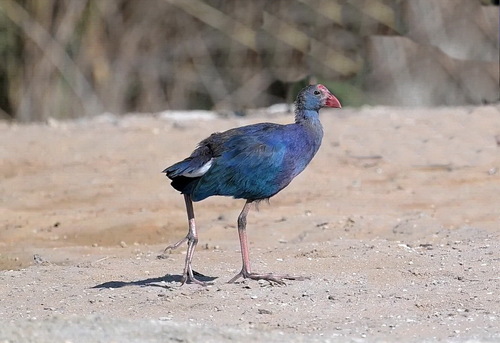
ハイガシラセイケイ (Porphyrio poliocephalus) ハイガシラセイケイ
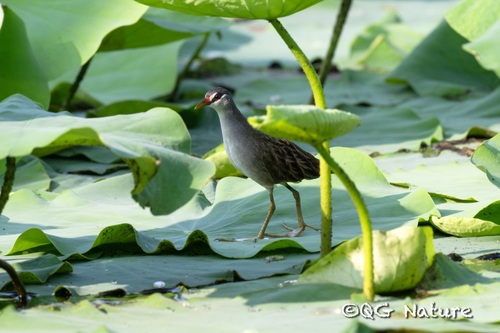
マミジロクイナ (Poliolimnas cinereus) マミジロクイナ

メディア

読み込み中…

要点

ハイガシラセイケイとマミジロクイナを区別する最も信頼できるフィールドマークは、サイズと体格の違いです:ハイガシラセイケイははるかに大きく、厚い赤いくちばしと淡い灰色の頭を持っていますが、マミジロクイナは小さく、細身のクイナで、明確な白い眉があります。飛んでいるときや水面にいるとき、ハイガシラセイケイの緑がかった翼、赤い脚、頑丈な体格が際立ち、マミジロクイナのより繊細な体型や控えめな羽毛と対照的です。大きな紫青色の鳥で淡い頭と明らかな赤いくちばしを見たら、それはハイガシラセイケイです;小さく、茶色がかったクイナで白いスーペルシリウムを持っていたら、それはマミジロクイナです。両者は似たような湿地生息地に出現することがありますが、サイズ、構造、頭の模様は明らかに異なります。

識別のコツ

  1. Size is the fastest separator: ハイガシラセイケイはクイナの中では巨大で(43 cm)、小さなマミジロクイナを圧倒しています。もし鳥が鶏のサイズなら、それはハイガシラセイケイです;もしスズメからムクドリのサイズなら、それはマミジロクイナです。
  2. Bill color and shape: ハイガシラセイケイは厚く、明るい赤いくちばしと前面のシールドを持ち、遠くからでも常に明らかです。マミジロクイナのくちばしは赤くなく、はるかに細いです。
  3. Head pattern: ハイガシラセイケイは暗い体と対照的な淡い灰色の頭を示します;マミジロクイナは明確な白い眉(スーペルシリウム)を持っていますが、淡い頭はありません。
  4. Leg color: 両者とも赤い脚を持っているため、これは診断には使えませんが、ハイガシラセイケイの脚ははるかに太く長いです。
  5. Wing color: ハイガシラセイケイの翼は緑がかっており、特に良い光の中で目立ちます;マミジロクイナの翼は茶色がかっていたり灰色がかっており、体と混ざり合っています。
  6. Body shape and posture: ハイガシラセイケイは高く直立して立ち、しばしば開けた場所にいます。マミジロクイナはコンパクトで、しゃがんでいて、植生の中を低く移動します。
  7. Behavior: ハイガシラセイケイは大胆で、しばしば開けた場所で餌を食べたり泳いだりします;マミジロクイナは秘密主義で、カバーから遠くに出ることはめったにありません。
  8. Habitat context: 開けた湿地やジールではハイガシラセイケイが期待されます;マングローブや密な湿地ではマミジロクイナがより可能性が高いですが、範囲は重なることがあります。
  9. Flight: ハイガシラセイケイは重く、飛ぶのが遅く、広い翼と引きずる脚を持っています;マミジロクイナは速く、低く、ひらひらと飛び、しばしばカバーに戻ります。
  10. Courtship display: ハイガシラセイケイのオスだけが、草を使ったお辞儀のディスプレイを大きな笑い声と共に行います。
  11. Juvenile/immature confusion: どちらの種にも特有の幼鳥の翼の模様は記載されていないため、すべての年齢でサイズと構造に頼る必要があります。
  12. Plumage pitfalls: ハイガシラセイケイの淡い頭と赤いくちばしは決してマミジロクイナに匹敵しません;マミジロクイナの白い眉は決してハイガシラセイケイに匹敵しません。
  13. Voice: 大きなクイナから大きな笑い声が聞こえたら、それはハイガシラセイケイです;マミジロクイナの声はここでは記載されていません。
  14. Group context: ハイガシラセイケイは小さな群れで見られることがあります;マミジロクイナは通常、単独またはペアでいます。
  15. When in doubt: もし不明な場合は、近くのモーリヘンやクートと比較してください—ハイガシラセイケイは大きく、マミジロクイナははるかに小さいです。

大きさ

ハイガシラセイケイはクイナの中で巨大で、約43 cmの長さに達します [wikipedia]。重い体、太い脚、巨大な赤いくちばしを持っています。それに対して、マミジロクイナははるかに小さく、軽量で、小さなクイナの典型的な特徴を持ち、繊細でスリムに見えます。遠くからでも、ハイガシラセイケイの体格と植生の上にある高さは明らかで、マミジロクイナは小さなサイズと秘密主義的な習性のために葦の中で見落とされがちです。

羽色

利用可能なノートには、どちらの種についても年齢特有の上翼や幼鳥の飛行パターンのマークは記載されていません。成鳥の場合、ハイガシラセイケイは灰色がかった青から灰色がかった紫の目を引く混合色で、淡い灰色の頭と緑がかった翼を持っています。そのくちばしと脚は明るい赤です。対照的に、マミジロクイナは一般的に茶色がかっていたり灰色がかっており、明確な白い眉(スーペルシリウム)を持ち、ハイガシラセイケイの鮮やかな色は欠けています。マミジロクイナの羽毛は全体的に控えめで、どの年齢でもハイガシラセイケイの緑がかった翼や淡い頭を示しません。両種とも赤い脚を持っていますが、ハイガシラセイケイだけが赤いくちばしを持ち、マミジロクイナのくちばしは赤いとは記載されていません。

行動

ハイガシラセイケイはしばしば開けた場所で大胆に歩き、水生植物を食べ、時には複雑な求愛行動(オスが水草でお辞儀をし、笑い声を上げる)を行う姿が見られます。これはほとんどのクイナよりも秘密主義ではありません。一方、マミジロクイナは典型的な隠れたクイナです:密な湿地の植生の中を静かに移動し、開けた場所で見られる可能性ははるかに低いです。ハイガシラセイケイの行動はよりガリヌールに似ており、マミジロクイナはより隠密でマウスのようです。

生息環境

両種は湿地生息地を利用しますが、いくつかの違いがあります。ハイガシラセイケイは湿地や大きな淡水湿地(ジール)を好み、しばしば開けた水と浮遊植物があります [wikipedia]。マミジロクイナは亜熱帯または熱帯のマングローブ林により関連しており、他の密な湿地植生でも見られます。もしマングローブや密に植生した湿地にいるなら、マミジロクイナの可能性が高いです;開けた湿地ではハイガシラセイケイが優勢です。

声

ハイガシラセイケイの声だけが記載されています:オスは求愛中に大きな笑い声を上げます。ノートにはマミジロクイナの声に関する記載はないため、声はこの情報では信頼できる区別にはなりません。

より良い説明を送る

比較と同じ項目を使ってください。文章はすぐに公開されます。

The most reliable field mark to separate Grey-headed Swamphen from White-browed Crake is sheer size and bulk: swamphens are much larger, with a thick red bill and pale grey head, while the crake is a small, slender rail with a distinct white eyebrow. In flight or on the water, the swamphen’s greenish wings, red legs, and robust structure stand out, compared to the crake’s daintier build and subtler plumage. If you see a large, purple-blue bird with a pale head and obvious red bill, it’s the swamphen; if it’s a small, brownish rail with a white supercilium, it’s the crake. Both can occur in similar wetland habitats, but their size, structure, and head pattern are unmistakably different.

  1. Size is the fastest separator: Swamphen is huge for a rail (43 cm), towering over the tiny White-browed Crake. If the bird is chicken-sized, it’s a swamphen; if sparrow- to starling-sized, it’s a crake.
  2. Bill color and shape: Swamphen has a thick, bright red bill and frontal shield, always obvious even at a distance. Crake’s bill is not red and is much finer.
  3. Head pattern: Swamphen shows a pale grey head contrasting with darker body; crake has a distinct white eyebrow (supercilium) but no pale head.
  4. Leg color: Both have red legs, so this is not diagnostic, but the swamphen’s legs are much thicker and longer.
  5. Wing color: Swamphen’s wings are greenish, especially in good light; crake’s wings are brownish or greyish, blending with the body.
  6. Body shape and posture: Swamphen stands tall and upright, often in the open. Crake is compact, crouched, and moves low through vegetation.
  7. Behavior: Swamphen is bold, often feeding in the open or swimming; crake is secretive, rarely venturing far from cover.
  8. Habitat context: In open marshes or jheels, swamphen is expected; in mangroves or dense swamp, crake is more likely, though ranges can overlap.
  9. Flight: Swamphen is heavy and slow in flight, with broad wings and trailing legs; crake is quick, low, and fluttery, often dropping back into cover.
  10. Courtship display: Only swamphen males perform the bowing-with-weeds display with loud chuckles.
  11. Juvenile/immature confusion: No distinctive juvenile wing patterns are described for either, so rely on size and structure at all ages.
  12. Plumage pitfalls: Swamphen’s pale head and red bill are never matched by crake; crake’s white eyebrow is never matched by swamphen.
  13. Voice: If you hear loud chuckling from a large rail, it’s swamphen; crake’s voice is not described here.
  14. Group context: Swamphens may be seen in small groups; crakes are usually solitary or in pairs.
  15. When in doubt: If you are unsure, compare the bird’s size to nearby moorhens or coots—swamphen will be larger, crake much smaller.

Grey-headed Swamphen is a giant among rails, reaching about 43 cm in length [wikipedia], with a heavy body, thick legs, and a massive red bill. In contrast, White-browed Crake is much smaller and lighter, typical of small crakes, and appears delicate and slim. Even at a distance, the swamphen’s bulk and height above the vegetation are obvious, while the crake is easily overlooked among reeds due to its small size and secretive habits.

No age-specific upperwing or juvenile flight pattern marks are described for either species in the available notes. For adults, Grey-headed Swamphen is a striking mix of greyish-blue to greyish-purple, with a pale grey head and greenish wings. Its bill and legs are bright red. White-browed Crake, by contrast, is generally brownish or greyish with a clear white eyebrow (supercilium) and lacks the swamphen’s vivid colors. The crake’s plumage is more subdued overall, and it does not show the greenish wing or pale head of the swamphen at any age. Both species have red legs, but only the swamphen has a red bill; the crake’s bill is not described as red.

Grey-headed Swamphen is often seen walking boldly in the open, feeding on aquatic vegetation, and sometimes performing elaborate courtship displays (males bowing with water weeds and chuckling). It is less secretive than most rails. White-browed Crake, on the other hand, is a classic skulking rail: it moves quietly through dense wetland vegetation and is much less likely to be seen in the open. The swamphen’s behavior is more gallinule-like, while the crake is more furtive and mouse-like.

Both species use wetland habitats, but with some differences. Grey-headed Swamphen prefers marshes and large freshwater wetlands (jheels), often with open water and emergent vegetation [wikipedia]. White-browed Crake is more associated with subtropical or tropical mangrove forests and can also be found in other dense wetland vegetation. If you are in a mangrove or densely vegetated swamp, crake is more likely; in open marshes, swamphen dominates.

Only the swamphen’s voice is described: males give loud chuckles during courtship. No vocal description is provided for White-browed Crake in the notes, so voice is not a reliable separator with this information.

変更を破棄しますか?

保存していない編集があります。今離れると失われます。

ハイガシラセイケイ · マミジロクイナ · 苦手な鳥