

Pollo sultano testagrigia vs White-browed Crake
Porphyrio poliocephalus contro Poliolimnas cinereus
Fai un quiz con Pollo sultano testagrigia e White-browed Crake
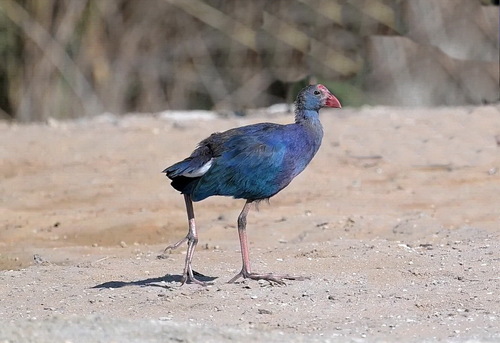 Pollo sultano testagrigia
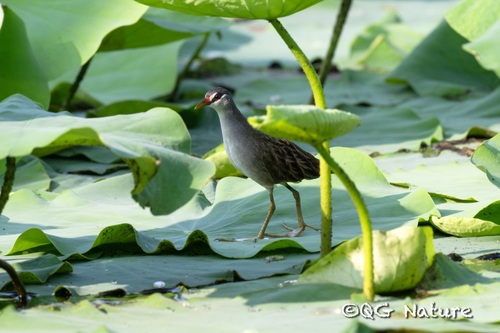 White-browed Crake
In breve
Il segno distintivo più affidabile per separare il Pollo sultano testagrigia dal White-browed Crake è la dimensione e la massa: i polli sultani sono molto più grandi, con un becco rosso spesso e una testa grigia chiara, mentre il crake è un rail piccolo e snello con un evidente sopracciglio bianco. In volo o sull'acqua, le ali verdastre del pollo sultano, le gambe rosse e la struttura robusta si distinguono, rispetto alla costruzione più delicata e al piumaggio più sottile del crake. Se vedi un grande uccello blu-viola con una testa chiara e un evidente becco rosso, è il pollo sultano; se è un piccolo rail marrone con un supercilium bianco, è il crake. Entrambi possono trovarsi in habitat umidi simili, ma la loro dimensione, struttura e pattern della testa sono indiscutibilmente diversi.
Consigli di identificazione
- Size is the fastest separator: Il pollo sultano è enorme per un rail (43 cm), che sovrasta il piccolo White-browed Crake. Se l'uccello è delle dimensioni di un pollo, è un pollo sultano; se è delle dimensioni di un passero o di un merlo, è un crake.
- Bill color and shape: Il pollo sultano ha un becco spesso e rosso brillante e uno scudo frontale, sempre evidente anche da lontano. Il becco del crake non è rosso ed è molto più fine.
- Head pattern: Il pollo sultano mostra una testa grigia chiara in contrasto con il corpo più scuro; il crake ha un evidente sopracciglio bianco (supercilium) ma nessuna testa chiara.
- Leg color: Entrambi hanno gambe rosse, quindi questo non è diagnostico, ma le gambe del pollo sultano sono molto più spesse e lunghe.
- Wing color: Le ali del pollo sultano sono verdastre, specialmente in buona luce; le ali del crake sono marroni o grigie, fondendosi con il corpo.
- Body shape and posture: Il pollo sultano sta in piedi alto e dritto, spesso in aperto. Il crake è compatto, accovacciato e si muove basso attraverso la vegetazione.
- Behavior: Il pollo sultano è audace, spesso si nutre in aperto o nuota; il crake è segreto, raramente si allontana molto dalla copertura.
- Habitat context: Nei marsh aperti o nei jheels, ci si aspetta di trovare il pollo sultano; nei mangrovieti o nelle paludi dense, è più probabile trovare il crake, anche se gli areali possono sovrapporsi.
- Flight: Il pollo sultano è pesante e lento in volo, con ali larghe e gambe che penzolano; il crake è veloce, basso e svolazzante, spesso tornando indietro nella copertura.
- Courtship display: Solo i maschi del pollo sultano eseguono la danza del inchino con le erbe con forti risate.
- Juvenile/immature confusion: Non sono descritti pattern distintivi delle ali giovanili per nessuna delle due specie, quindi fai affidamento su dimensione e struttura a tutte le età.
- Plumage pitfalls: La testa chiara e il becco rosso del pollo sultano non sono mai abbinati al crake; il sopracciglio bianco del crake non è mai abbinato al pollo sultano.
- Voice: Se senti forti risate provenire da un grande rail, è il pollo sultano; la voce del crake non è descritta qui.
- Group context: I polli sultani possono essere visti in piccoli gruppi; i crake sono solitamente solitari o in coppie.
- When in doubt: Se non sei sicuro, confronta la dimensione dell'uccello con quella di gallinelle o folaghe vicine: il pollo sultano sarà più grande, il crake molto più piccolo.
Taglia
Il Pollo sultano testagrigia è un gigante tra i rail, raggiungendo circa 43 cm di lunghezza [wikipedia], con un corpo pesante, gambe spesse e un enorme becco rosso. Al contrario, il White-browed Crake è molto più piccolo e leggero, tipico dei piccoli crake, e appare delicato e snello. Anche da lontano, la massa e l'altezza del pollo sultano sopra la vegetazione sono evidenti, mentre il crake è facilmente trascurato tra le canne a causa delle sue dimensioni ridotte e delle sue abitudini segrete.
Piumaggio
Non sono descritti segni specifici per l'età delle ali superiori o pattern di volo giovanili per nessuna delle due specie nelle note disponibili. Per gli adulti, il Pollo sultano testagrigia è una miscela sorprendente di blu-grigiastro a viola-grigiastro, con una testa grigia chiara e ali verdastre. Il suo becco e le sue gambe sono di un rosso brillante. Il White-browed Crake, al contrario, è generalmente marrone o grigio con un chiaro sopracciglio bianco (supercilium) e manca dei colori vivaci del pollo sultano. Il piumaggio del crake è complessivamente più sobrio e non mostra mai l'ala verdastra o la testa chiara del pollo sultano a nessuna età. Entrambe le specie hanno gambe rosse, ma solo il pollo sultano ha un becco rosso; il becco del crake non è descritto come rosso.
Comportamento
Il Pollo sultano testagrigia è spesso visto camminare audacemente in aperto, nutrendosi di vegetazione acquatica e talvolta eseguendo elaborate danze di corteggiamento (maschi che si inchinano con le erbe acquatiche e ridono). È meno segreto rispetto alla maggior parte dei rail. Il White-browed Crake, d'altra parte, è un classico rail furtivo: si muove silenziosamente attraverso la densa vegetazione umida ed è molto meno probabile essere visto in aperto. Il comportamento del pollo sultano è più simile a quello delle gallinule, mentre il crake è più furtivo e simile a un topo.
Habitat
Entrambe le specie utilizzano habitat umidi, ma con alcune differenze. Il Pollo sultano testagrigia preferisce le paludi e i grandi habitat umidi di acqua dolce (jheels), spesso con acqua aperta e vegetazione emergente [wikipedia]. Il White-browed Crake è più associato a foreste di mangrovie subtropicali o tropicali e può anche essere trovato in altre vegetazioni umide dense. Se ti trovi in un mangrovia o in una palude densamente vegetata, è più probabile trovare il crake; nelle paludi aperte, il pollo sultano domina.
Voce
Solo la voce del pollo sultano è descritta: i maschi emettono forti risate durante il corteggiamento. Nessuna descrizione vocale è fornita per il White-browed Crake nelle note, quindi la voce non è un separatore affidabile con queste informazioni.
Pollo sultano testagrigia · White-browed Crake · I miei uccelli difficili