

Motmot

Green Sandpiper vs Marsh Sandpiper

Tringa ochropus versus Tringa stagnatilis

Play a quiz with Green Sandpiper and Marsh Sandpiper
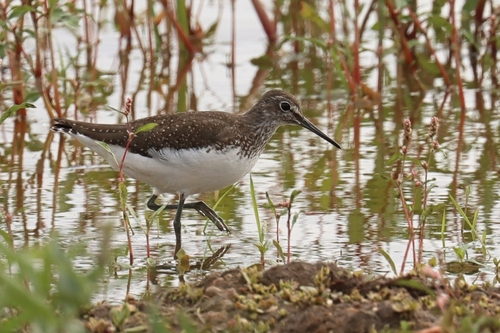
Green Sandpiper (Tringa ochropus) Green Sandpiper
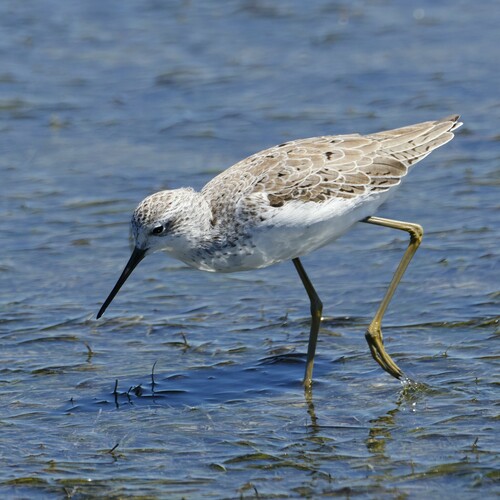
Marsh Sandpiper (Tringa stagnatilis) Marsh Sandpiper

Media

Loading…

In short

The most reliable field mark to separate Green Sandpiper from Marsh Sandpiper is the flight pattern: Green Sandpiper shows a strikingly white rump and dark wings both above and below, while Marsh Sandpiper displays a white wedge up the back but lacks the bold white rump. Green Sandpiper is plumper with a shorter, dark green bill and legs, whereas Marsh Sandpiper is slimmer, longer-legged, and has yellowish legs and a finer, longer bill. Both can appear grey-brown above and white below, but Green Sandpiper’s back is more heavily spotted (especially in breeding adults), while Marsh Sandpiper is more subtly mottled. Structure and leg color are key when birds are standing, but flight views are often decisive.

Identification tips

  1. White rump in flight (all ages/seasons): Green Sandpiper shows a brilliant white rump and dark wings above and below—this is the most reliable mark, especially when birds flush. Marsh Sandpiper lacks a white rump, instead showing a white wedge up the back but not extending onto the rump.
  2. Wing color in flight: Green Sandpiper’s wings are dark both above and below, contrasting with the white rump. Marsh Sandpiper’s wings are not as dark below, and the upperparts are paler and more uniform.
  3. Back spotting (breeding adults): Green Sandpiper has a dark greenish-brown back heavily spotted with white in breeding plumage; this spotting is less in winter and young birds. Marsh Sandpiper is more subtly mottled, with diffuse small brownish spots, never as bold as Green Sandpiper.
  4. Leg color: Green Sandpiper has dark green legs, while Marsh Sandpiper’s legs are yellowish and appear much longer, especially when wading or in flight.
  5. Bill shape and color: Green Sandpiper’s bill is short and dark; Marsh Sandpiper’s is longer, finer, and paler at the base.
  6. Structure and jizz: Green Sandpiper is plump, compact, and short-legged, with a dumpy look. Marsh Sandpiper is slim, elegant, with a longer neck and very long, spindly legs, giving a dainty appearance.
  7. Feeding behavior: Green Sandpiper often forages alone, hugging the edge of small pools and muddy margins, and is quick to flush. Marsh Sandpiper is more likely to be seen in small groups, feeding in open, shallow water.
  8. Flight style: Green Sandpiper’s flight is strong and direct, with rapid wingbeats and compact shape. Marsh Sandpiper is lighter and more buoyant, with legs trailing noticeably.
  9. Vocalization: Listen for Green Sandpiper’s loud, three-note whistle when flushed; Marsh Sandpiper does not give this call.
  10. Breast and neck pattern: Both have some spotting or mottling on the breast and neck, but Green Sandpiper’s is more sharply defined, especially in adults, while Marsh Sandpiper’s is more diffuse and subtle.
  11. Underpart contrast: Green Sandpiper’s white underparts contrast more strongly with the dark upperparts; Marsh Sandpiper’s contrast is less marked.
  12. Habitat context: If the bird is in a small, wooded or bushy pool, Green Sandpiper is more likely; in open, sunlit marshes, Marsh Sandpiper is more typical.
  13. Group size: Solitary birds are more likely Green Sandpiper; small groups suggest Marsh Sandpiper, though overlap occurs.
  14. Seasonal variation: Green Sandpiper’s back spotting is most obvious in breeding adults; in winter and juveniles, spotting is reduced but still more than Marsh Sandpiper ever shows.
  15. When in doubt: Prioritize rump and wing pattern in flight, then leg color and structure when perched. Voice can clinch the ID if heard.

Size

Green Sandpiper is slightly heavier (80.0g vs 71.55g) and appears more robust and compact in the field. Marsh Sandpiper is slimmer, with a more delicate build, longer neck, and especially longer, spindly yellowish legs. Both are small waders, but Marsh Sandpiper’s proportions are more reminiscent of a tiny greenshank, while Green Sandpiper is noticeably dumpier and shorter-legged.

Plumage

Juvenile and non-breeding Green Sandpipers have a dark greenish-brown back with varying amounts of white spotting (most in breeding adults, less in immatures and winter birds), a greyish head and breast, and otherwise white underparts. In flight, all ages show dark wings above and below and a brilliant white rump—this is the single most diagnostic feature, present year-round and in all plumages. Marsh Sandpiper, by contrast, is pale brown or greyish brown above in breeding plumage, paler in winter, with diffuse small brownish spots on the breast and neck. In flight, it shows a white wedge up the back but not a full white rump, and the wings are not as dark below as Green Sandpiper’s. Leg color is also a clue: Green Sandpiper’s legs are dark green, while Marsh Sandpiper’s are yellowish. Bill color and length differ: Green Sandpiper has a short, dark bill; Marsh Sandpiper’s is longer and finer. Both species have white underparts, but Green Sandpiper’s contrast is sharper due to the darker upperparts and more defined spotting.

Behaviour

Green Sandpiper often appears solitary, foraging along the edges of small pools or muddy margins, and is typically more secretive, flushing with a loud, three-note whistle and strong, direct flight. Marsh Sandpiper is more likely to be seen in open wetlands, often in small groups, and has a daintier, more graceful feeding style, picking delicately in shallow water. In flight, Green Sandpiper’s jizz is compact and powerful, while Marsh Sandpiper is lighter and more buoyant, with longer legs trailing behind.

Habitat

Green Sandpiper favors wooded or bushy wetlands, small ponds, and muddy margins, often in more enclosed or shaded settings. Marsh Sandpiper prefers open, grassy steppe or taiga wetlands, and is more likely to be found in broad, open, shallow marshes. While both can occur at the same muddy pools on migration, Green Sandpiper is more tied to enclosed, freshwater habitats, while Marsh Sandpiper is more typical of open, sunlit marshes.

Voice

Green Sandpiper gives a distinctive, loud, three-note whistle when flushed, which is a useful field clue. Marsh Sandpiper’s call is less described in the notes, but it does not share the Green Sandpiper’s characteristic flight call. If you hear the three-note whistle, Green Sandpiper is almost certain.

Submit a better description

Use the same sections as the comparison. Your text is published immediately.

The most reliable field mark to separate Green Sandpiper from Marsh Sandpiper is the flight pattern: Green Sandpiper shows a strikingly white rump and dark wings both above and below, while Marsh Sandpiper displays a white wedge up the back but lacks the bold white rump. Green Sandpiper is plumper with a shorter, dark green bill and legs, whereas Marsh Sandpiper is slimmer, longer-legged, and has yellowish legs and a finer, longer bill. Both can appear grey-brown above and white below, but Green Sandpiper’s back is more heavily spotted (especially in breeding adults), while Marsh Sandpiper is more subtly mottled. Structure and leg color are key when birds are standing, but flight views are often decisive.

  1. White rump in flight (all ages/seasons): Green Sandpiper shows a brilliant white rump and dark wings above and below—this is the most reliable mark, especially when birds flush. Marsh Sandpiper lacks a white rump, instead showing a white wedge up the back but not extending onto the rump.
  2. Wing color in flight: Green Sandpiper’s wings are dark both above and below, contrasting with the white rump. Marsh Sandpiper’s wings are not as dark below, and the upperparts are paler and more uniform.
  3. Back spotting (breeding adults): Green Sandpiper has a dark greenish-brown back heavily spotted with white in breeding plumage; this spotting is less in winter and young birds. Marsh Sandpiper is more subtly mottled, with diffuse small brownish spots, never as bold as Green Sandpiper.
  4. Leg color: Green Sandpiper has dark green legs, while Marsh Sandpiper’s legs are yellowish and appear much longer, especially when wading or in flight.
  5. Bill shape and color: Green Sandpiper’s bill is short and dark; Marsh Sandpiper’s is longer, finer, and paler at the base.
  6. Structure and jizz: Green Sandpiper is plump, compact, and short-legged, with a dumpy look. Marsh Sandpiper is slim, elegant, with a longer neck and very long, spindly legs, giving a dainty appearance.
  7. Feeding behavior: Green Sandpiper often forages alone, hugging the edge of small pools and muddy margins, and is quick to flush. Marsh Sandpiper is more likely to be seen in small groups, feeding in open, shallow water.
  8. Flight style: Green Sandpiper’s flight is strong and direct, with rapid wingbeats and compact shape. Marsh Sandpiper is lighter and more buoyant, with legs trailing noticeably.
  9. Vocalization: Listen for Green Sandpiper’s loud, three-note whistle when flushed; Marsh Sandpiper does not give this call.
  10. Breast and neck pattern: Both have some spotting or mottling on the breast and neck, but Green Sandpiper’s is more sharply defined, especially in adults, while Marsh Sandpiper’s is more diffuse and subtle.
  11. Underpart contrast: Green Sandpiper’s white underparts contrast more strongly with the dark upperparts; Marsh Sandpiper’s contrast is less marked.
  12. Habitat context: If the bird is in a small, wooded or bushy pool, Green Sandpiper is more likely; in open, sunlit marshes, Marsh Sandpiper is more typical.
  13. Group size: Solitary birds are more likely Green Sandpiper; small groups suggest Marsh Sandpiper, though overlap occurs.
  14. Seasonal variation: Green Sandpiper’s back spotting is most obvious in breeding adults; in winter and juveniles, spotting is reduced but still more than Marsh Sandpiper ever shows.
  15. When in doubt: Prioritize rump and wing pattern in flight, then leg color and structure when perched. Voice can clinch the ID if heard.

Green Sandpiper is slightly heavier (80.0g vs 71.55g) and appears more robust and compact in the field. Marsh Sandpiper is slimmer, with a more delicate build, longer neck, and especially longer, spindly yellowish legs. Both are small waders, but Marsh Sandpiper’s proportions are more reminiscent of a tiny greenshank, while Green Sandpiper is noticeably dumpier and shorter-legged.

Juvenile and non-breeding Green Sandpipers have a dark greenish-brown back with varying amounts of white spotting (most in breeding adults, less in immatures and winter birds), a greyish head and breast, and otherwise white underparts. In flight, all ages show dark wings above and below and a brilliant white rump—this is the single most diagnostic feature, present year-round and in all plumages. Marsh Sandpiper, by contrast, is pale brown or greyish brown above in breeding plumage, paler in winter, with diffuse small brownish spots on the breast and neck. In flight, it shows a white wedge up the back but not a full white rump, and the wings are not as dark below as Green Sandpiper’s. Leg color is also a clue: Green Sandpiper’s legs are dark green, while Marsh Sandpiper’s are yellowish. Bill color and length differ: Green Sandpiper has a short, dark bill; Marsh Sandpiper’s is longer and finer. Both species have white underparts, but Green Sandpiper’s contrast is sharper due to the darker upperparts and more defined spotting.

Green Sandpiper often appears solitary, foraging along the edges of small pools or muddy margins, and is typically more secretive, flushing with a loud, three-note whistle and strong, direct flight. Marsh Sandpiper is more likely to be seen in open wetlands, often in small groups, and has a daintier, more graceful feeding style, picking delicately in shallow water. In flight, Green Sandpiper’s jizz is compact and powerful, while Marsh Sandpiper is lighter and more buoyant, with longer legs trailing behind.

Green Sandpiper favors wooded or bushy wetlands, small ponds, and muddy margins, often in more enclosed or shaded settings. Marsh Sandpiper prefers open, grassy steppe or taiga wetlands, and is more likely to be found in broad, open, shallow marshes. While both can occur at the same muddy pools on migration, Green Sandpiper is more tied to enclosed, freshwater habitats, while Marsh Sandpiper is more typical of open, sunlit marshes.

Green Sandpiper gives a distinctive, loud, three-note whistle when flushed, which is a useful field clue. Marsh Sandpiper’s call is less described in the notes, but it does not share the Green Sandpiper’s characteristic flight call. If you hear the three-note whistle, Green Sandpiper is almost certain.

Discard your changes?

You have unsaved edits. If you leave now, those changes will be lost.

Green Sandpiper · Marsh Sandpiper · My Tricky Birds