

Andarríos Grande vs Archibebe Fino
Tringa ochropus frente a Tringa stagnatilis
Juega un quiz con Andarríos Grande y Archibebe Fino
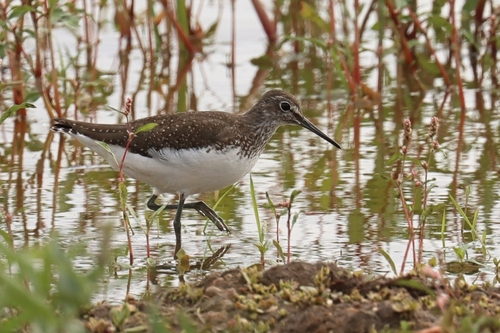 Andarríos Grande
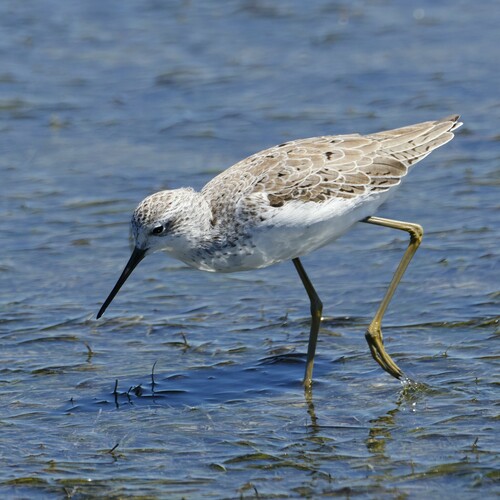 Archibebe Fino
En breve
La marca de campo más confiable para separar el Andarríos Grande del Archibebe Fino es el patrón de vuelo: el Andarríos Grande muestra una rabadilla notablemente blanca y alas oscuras tanto arriba como abajo, mientras que el Archibebe Fino presenta una cuña blanca en la parte posterior pero carece de la rabadilla blanca audaz. El Andarríos Grande es más robusto con un pico y patas más cortos y de color verde oscuro, mientras que el Archibebe Fino es más delgado, con patas más largas y tiene patas amarillentas y un pico más fino y largo. Ambos pueden parecer gris-marrón arriba y blanco abajo, pero la espalda del Andarríos Grande está más intensamente manchada (especialmente en adultos en época de cría), mientras que el Archibebe Fino está más sutilmente moteado. La estructura y el color de las patas son clave cuando los pájaros están de pie, pero las vistas en vuelo son a menudo decisivas.
Consejos de identificación
- Rabadilla blanca en vuelo (todas las edades/estaciones): El Andarríos Grande muestra una rabadilla brillante y blanca y alas oscuras arriba y abajo—esta es la marca más confiable, especialmente cuando los pájaros se asustan. El Archibebe Fino carece de rabadilla blanca, mostrando en su lugar una cuña blanca en la parte posterior pero que no se extiende a la rabadilla.
- Color de alas en vuelo: Las alas del Andarríos Grande son oscuras tanto arriba como abajo, contrastando con la rabadilla blanca. Las alas del Archibebe Fino no son tan oscuras por debajo, y las partes superiores son más pálidas y uniformes.
- Manchado de la espalda (adultos en época de cría): El Andarríos Grande tiene una espalda de color marrón verdoso oscuro intensamente manchada de blanco en plumaje de cría; este manchado es menor en invierno y en aves jóvenes. El Archibebe Fino está más sutilmente moteado, con pequeñas manchas marrones difusas, nunca tan audaces como las del Andarríos Grande.
- Color de patas: El Andarríos Grande tiene patas de color verde oscuro, mientras que las patas del Archibebe Fino son amarillentas y parecen mucho más largas, especialmente al vadear o en vuelo.
- Forma y color del pico: El pico del Andarríos Grande es corto y oscuro; el del Archibebe Fino es más largo, más fino y más pálido en la base.
- Estructura y apariencia: El Andarríos Grande es robusto, compacto y de patas cortas, con un aspecto rechoncho. El Archibebe Fino es delgado, elegante, con un cuello más largo y patas muy largas y delgadas, lo que le da una apariencia delicada.
- Comportamiento alimenticio: El Andarríos Grande a menudo forrajea solo, abrazando el borde de pequeños estanques y márgenes fangosos, y es rápido para asustarse. El Archibebe Fino es más probable que se vea en pequeños grupos, alimentándose en aguas abiertas y poco profundas.
- Estilo de vuelo: El vuelo del Andarríos Grande es fuerte y directo, con batidos de alas rápidos y una forma compacta. El Archibebe Fino es más ligero y más flotante, con las patas colgando notablemente.
- Vocalización: Escucha el fuerte silbido de tres notas del Andarríos Grande cuando se asusta; el Archibebe Fino no emite este llamado.
- Patrón del pecho y cuello: Ambos tienen algo de manchado o moteado en el pecho y el cuello, pero el del Andarríos Grande está más claramente definido, especialmente en adultos, mientras que el del Archibebe Fino es más difuso y sutil.
- Contraste de las partes inferiores: Las partes inferiores blancas del Andarríos Grande contrastan más fuertemente con las partes superiores oscuras; el contraste del Archibebe Fino es menos marcado.
- Contexto del hábitat: Si el pájaro está en un pequeño estanque boscoso o arbustivo, es más probable que sea un Andarríos Grande; en marismas abiertas y soleadas, el Archibebe Fino es más típico.
- Tamaño del grupo: Los pájaros solitarios son más probablemente Andarríos Grande; pequeños grupos sugieren Archibebe Fino, aunque puede haber superposición.
- Variación estacional: El manchado de la espalda del Andarríos Grande es más obvio en adultos en época de cría; en invierno y en juveniles, el manchado se reduce pero sigue siendo más que lo que el Archibebe Fino muestra nunca.
- Cuando haya dudas: Prioriza el patrón de la rabadilla y las alas en vuelo, luego el color y la estructura de las patas cuando estén posados. La voz puede confirmar la identificación si se escucha.
Tamaño
El Andarríos Grande es ligeramente más pesado (80.0g vs 71.55g) y parece más robusto y compacto en el campo. El Archibebe Fino es más delgado, con una construcción más delicada, cuello más largo y especialmente patas amarillentas más largas y delgadas. Ambos son pequeños limícolas, pero las proporciones del Archibebe Fino son más reminiscentes de un pequeño andarríos, mientras que el Andarríos Grande es notablemente más rechoncho y de patas más cortas.
Plumaje
Los Andarríos Grandes juveniles y no reproductores tienen una espalda de color marrón verdoso oscuro con cantidades variables de manchas blancas (más en adultos en época de cría, menos en inmaduros y aves de invierno), una cabeza y pecho grisáceos, y partes inferiores blancas. En vuelo, todas las edades muestran alas oscuras arriba y abajo y una rabadilla blanca brillante—esta es la característica más diagnóstica, presente durante todo el año y en todos los plumajes. El Archibebe Fino, en contraste, es de color marrón pálido o marrón grisáceo arriba en plumaje de cría, más pálido en invierno, con pequeñas manchas marrones difusas en el pecho y el cuello. En vuelo, muestra una cuña blanca en la parte posterior pero no una rabadilla blanca completa, y las alas no son tan oscuras por debajo como las del Andarríos Grande. El color de las patas también es una pista: las patas del Andarríos Grande son de color verde oscuro, mientras que las del Archibebe Fino son amarillentas. El color y la longitud del pico difieren: el Andarríos Grande tiene un pico corto y oscuro; el del Archibebe Fino es más largo y más fino. Ambas especies tienen partes inferiores blancas, pero el contraste del Andarríos Grande es más agudo debido a las partes superiores más oscuras y el manchado más definido.
Comportamiento
El Andarríos Grande a menudo aparece solitario, forrajeando a lo largo de los bordes de pequeños estanques o márgenes fangosos, y es típicamente más secreto, asustándose con un fuerte silbido de tres notas y un vuelo fuerte y directo. El Archibebe Fino es más probable que se vea en humedales abiertos, a menudo en pequeños grupos, y tiene un estilo de alimentación más delicado y elegante, picoteando con delicadeza en aguas poco profundas. En vuelo, la apariencia del Andarríos Grande es compacta y poderosa, mientras que el Archibebe Fino es más ligero y más flotante, con patas más largas colgando detrás.
Hábitat
El Andarríos Grande prefiere humedales boscosos o arbustivos, pequeños estanques y márgenes fangosos, a menudo en entornos más cerrados o sombreados. El Archibebe Fino prefiere humedales abiertos de estepa o taiga, y es más probable que se encuentre en marismas amplias, abiertas y poco profundas. Aunque ambos pueden ocurrir en los mismos estanques fangosos durante la migración, el Andarríos Grande está más vinculado a hábitats de agua dulce cerrados, mientras que el Archibebe Fino es más típico de marismas abiertas y soleadas.
Voz
El Andarríos Grande emite un silbido distintivo, fuerte y de tres notas cuando se asusta, lo cual es una pista útil en el campo. El llamado del Archibebe Fino está menos descrito en las notas, pero no comparte el llamado característico de vuelo del Andarríos Grande. Si escuchas el silbido de tres notas, es casi seguro que es un Andarríos Grande.