

Piro piro culbianco vs Albastrello
Tringa ochropus contro Tringa stagnatilis
Fai un quiz con Piro piro culbianco e Albastrello
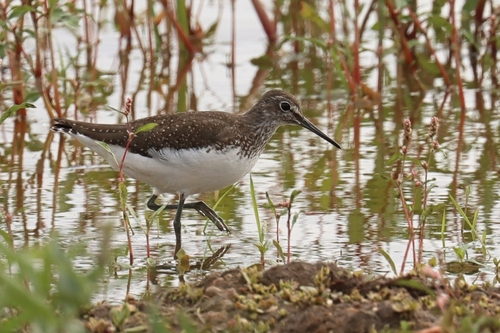 Piro piro culbianco
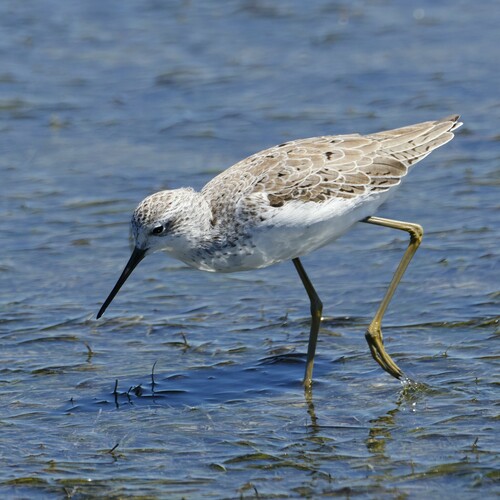 Albastrello
In breve
Il segno di campo più affidabile per separare il Piro piro culbianco dall'Albastrello è il modello di volo: il Piro piro culbianco mostra un caratteristico sottocoda bianco e ali scure sia sopra che sotto, mentre l'Albastrello presenta una cuneo bianco lungo la schiena ma manca del caratteristico sottocoda bianco. Il Piro piro culbianco è più robusto con un becco e zampe più corti e di un verde scuro, mentre l'Albastrello è più snello, con zampe più lunghe e zampe giallastre e un becco più fine e lungo. Entrambi possono apparire grigio-marroni sopra e bianchi sotto, ma la schiena del Piro piro culbianco è più pesantemente macchiata (soprattutto negli adulti in riproduzione), mentre l'Albastrello è più sottilmente macchiato. La struttura e il colore delle zampe sono fondamentali quando gli uccelli sono in piedi, ma le viste in volo sono spesso decisive.
Consigli di identificazione
- Sottocoda bianco in volo (tutte le età/stagioni): Il Piro piro culbianco mostra un brillante sottocoda bianco e ali scure sopra e sotto—questo è il segno più affidabile, soprattutto quando gli uccelli si alzano in volo. L'Albastrello manca di un sottocoda bianco, mostrando invece un cuneo bianco lungo la schiena ma non estendendosi sul sottocoda.
- Colore delle ali in volo: Le ali del Piro piro culbianco sono scure sia sopra che sotto, in contrasto con il sottocoda bianco. Le ali dell'Albastrello non sono così scure sotto, e le parti superiori sono più chiare e più uniformi.
- Macchie sulla schiena (adulti in riproduzione): Il Piro piro culbianco ha una schiena marrone-verde scuro pesantemente macchiata di bianco in abito nuziale; queste macchie sono meno evidenti in inverno e nei giovani uccelli. L'Albastrello è più sottilmente macchiato, con piccole macchie marroni diffuse, mai così audaci come nel Piro piro culbianco.
- Colore delle zampe: Il Piro piro culbianco ha zampe di un verde scuro, mentre le zampe dell'Albastrello sono giallastre e appaiono molto più lunghe, soprattutto quando si muovono nell'acqua o in volo.
- Forma e colore del becco: Il becco del Piro piro culbianco è corto e scuro; quello dell'Albastrello è più lungo, più fine e più chiaro alla base.
- Struttura e jizz: Il Piro piro culbianco è robusto, compatto e con zampe corte, con un aspetto tozzo. L'Albastrello è snello, elegante, con un collo più lungo e zampe molto lunghe e esili, dando un aspetto delicato.
- Comportamento alimentare: Il Piro piro culbianco spesso cerca cibo da solo, rimanendo vicino ai bordi di piccole pozzanghere e margini fangosi, ed è veloce a volare via. L'Albastrello è più propenso a essere visto in piccoli gruppi, alimentandosi in acque aperte e poco profonde.
- Stile di volo: Il volo del Piro piro culbianco è forte e diretto, con battiti d'ali rapidi e una forma compatta. L'Albastrello è più leggero e più galleggiante, con le zampe che si allungano visibilmente.
- Vocalizzazione: Ascolta il forte fischio a tre note del Piro piro culbianco quando si alza in volo; l'Albastrello non emette questo richiamo.
- Motivo del petto e del collo: Entrambi hanno alcune macchie o maculature sul petto e sul collo, ma quelle del Piro piro culbianco sono più nettamente definite, soprattutto negli adulti, mentre quelle dell'Albastrello sono più diffuse e sottili.
- Contrasto delle parti inferiori: Le parti inferiori bianche del Piro piro culbianco contrastano più fortemente con le parti superiori scure; il contrasto dell'Albastrello è meno marcato.
- Contesto dell'habitat: Se l'uccello si trova in una piccola pozzanghera boscosa o cespugliosa, è più probabile che sia un Piro piro culbianco; in paludi aperte e soleggiate, l'Albastrello è più tipico.
- Dimensione del gruppo: Gli uccelli solitari sono più probabilmente Piro piro culbianco; piccoli gruppi suggeriscono Albastrello, anche se ci sono sovrapposizioni.
- Variazione stagionale: Le macchie sulla schiena del Piro piro culbianco sono più evidenti negli adulti in riproduzione; in inverno e nei giovani, le macchie sono ridotte ma ancora più di quanto mostri mai l'Albastrello.
- Quando hai dubbi: Dai priorità al modello del sottocoda e delle ali in volo, poi al colore e alla struttura delle zampe quando sono posati. La voce può confermare l'identificazione se udita.
Taglia
Il Piro piro culbianco è leggermente più pesante (80.0g vs 71.55g) e appare più robusto e compatto in campo. L'Albastrello è più snello, con una struttura più delicata, collo più lungo e zampe giallastre, lunghe e esili. Entrambi sono piccoli trampolieri, ma le proporzioni dell'Albastrello ricordano di più un piccolo piro piro, mentre il Piro piro culbianco è visibilmente più tozzo e con zampe più corte.
Piumaggio
I Piro piro culbianco giovani e non in riproduzione hanno una schiena marrone-verde scuro con variazioni di macchie bianche (più nei maschi in riproduzione, meno nei giovani e negli uccelli invernali), una testa e un petto grigi, e parti inferiori bianche. In volo, tutte le età mostrano ali scure sopra e sotto e un brillante sottocoda bianco—questo è il segno diagnostico più importante, presente tutto l'anno e in tutti gli abiti. L'Albastrello, al contrario, è marrone chiaro o grigio-marrone sopra in abito nuziale, più chiaro in inverno, con piccole macchie marroni diffuse sul petto e sul collo. In volo, mostra un cuneo bianco lungo la schiena ma non un sottocoda bianco completo, e le ali non sono così scure sotto come quelle del Piro piro culbianco. Anche il colore delle zampe è un indizio: le zampe del Piro piro culbianco sono di un verde scuro, mentre quelle dell'Albastrello sono giallastre. Il colore e la lunghezza del becco differiscono: il Piro piro culbianco ha un becco corto e scuro; quello dell'Albastrello è più lungo e più fine. Entrambe le specie hanno parti inferiori bianche, ma il contrasto del Piro piro culbianco è più netto a causa delle parti superiori più scure e delle macchie più definite.
Comportamento
Il Piro piro culbianco appare spesso solitario, cercando cibo lungo i bordi di piccole pozzanghere o margini fangosi, ed è tipicamente più riservato, alzandosi in volo con un forte fischio a tre note e un volo forte e diretto. L'Albastrello è più propenso a essere visto in zone umide aperte, spesso in piccoli gruppi, e ha uno stile di alimentazione più delicato e aggraziato, beccando delicatamente in acque poco profonde. In volo, il jizz del Piro piro culbianco è compatto e potente, mentre l'Albastrello è più leggero e più galleggiante, con zampe più lunghe che si allungano dietro.
Habitat
Il Piro piro culbianco predilige zone umide boscose o cespugliose, piccole pozzanghere e margini fangosi, spesso in ambienti più chiusi o ombreggiati. L'Albastrello preferisce zone umide aperte e erbose o zone umide di taiga, ed è più probabile trovarlo in ampie paludi aperte e poco profonde. Anche se entrambi possono trovarsi nelle stesse pozzanghere fangose durante la migrazione, il Piro piro culbianco è più legato a habitat d'acqua dolce chiusi, mentre l'Albastrello è più tipico delle paludi aperte e soleggiate.
Voce
Il Piro piro culbianco emette un distintivo e forte fischio a tre note quando si alza in volo, che è un utile indizio di campo. Il richiamo dell'Albastrello è meno descritto nelle note, ma non condivide il caratteristico richiamo in volo del Piro piro culbianco. Se senti il fischio a tre note, è quasi certo che sia un Piro piro culbianco.
Piro piro culbianco · Albastrello · I miei uccelli difficili