

Motmot

Fasciated Antshrike vs Silvered Antbird

Cymbilaimus lineatus versus Sclateria naevia

Play a quiz with Fasciated Antshrike and Silvered Antbird
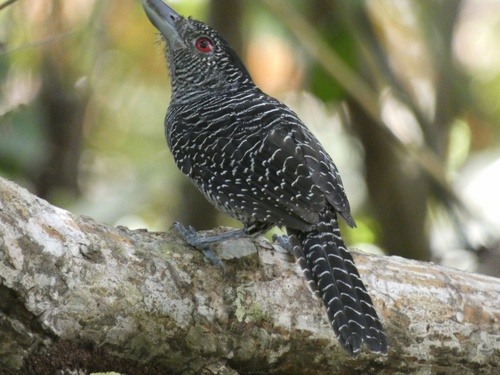
Fasciated Antshrike (Cymbilaimus lineatus) Fasciated Antshrike
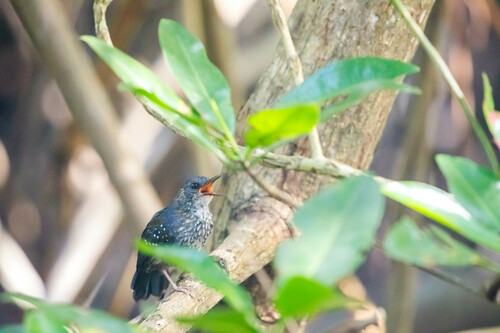
Silvered Antbird (Sclateria naevia) Silvered Antbird

Media

Loading…

In short

Fasciated Antshrike and Silvered Antbird can be confused by birders, especially when seen in shaded forest understory. The most reliable field mark is the strong, all-over black-and-white barring on the Fasciated Antshrike (especially males), versus the Silvered Antbird’s more uniform gray or brown upperparts and white underparts with scalloping or mottling. Females and immatures of both can be tricky, but the Antshrike’s heavier bill, red iris, and rufous or cinnamon crown in females are good clues. Silvered Antbird is notably smaller and slimmer, with a less robust bill and a more subtle, scalloped or mottled underpart pattern. Pay close attention to head pattern, bill shape, and overall size when plumage is ambiguous.

Identification tips

  1. All-over barring (males and subadult males): Fasciated Antshrike males show thin black-and-white bars across the entire body, wings, and tail. Silvered Antbird never shows this pattern; instead, look for uniform gray or brown upperparts and white underparts with scalloping or mottling.
  2. Female head color: Fasciated Antshrike females have a rufous (reddish) crown, while Silvered Antbird females have a grayish-brown crown. This is a key mark in shaded understory.
  3. Bill structure: Fasciated Antshrike has a heavy, hooked bill reminiscent of true shrikes; Silvered Antbird’s bill is finer and lacks the pronounced hook. This is visible even in poor light or partial views.
  4. Iris color: Fasciated Antshrike of both sexes has a red iris, which can be a clincher at close range. Silvered Antbird’s iris is not described as red.
  5. Body size: Fasciated Antshrike is larger and bulkier (17–18 cm, ~35 g) compared to the smaller, slimmer Silvered Antbird (14–16 cm, 21–27 g). If you see both together, the difference is obvious; alone, use bill and plumage as well.
  6. Underpart pattern: Silvered Antbird shows white underparts with gray scalloping or mottling (never bars); Fasciated Antshrike is barred below (males) or shows brown and buff barring (females).
  7. Wing covert pattern: Silvered Antbird males have white tips or dots on the wing coverts (depending on subspecies); Fasciated Antshrike has barred wings without white tips.
  8. Tail pattern: Fasciated Antshrike females have brown and cinnamon bars on the tail; Silvered Antbird’s tail is blackish gray, sometimes with white tips but never barred.
  9. Crown and nape: Male Fasciated Antshrike has a black forehead and crown with thin white bars (or all black in some subspecies); Silvered Antbird males have a dark gray crown and nape without barring.
  10. Habitat preference: If the bird is foraging over water or in tangled streamside vegetation, Silvered Antbird is more likely. Away from water, especially in drier forest, suspect Fasciated Antshrike.
  11. Behavior: Fasciated Antshrike may perch more openly and appear more robust; Silvered Antbird is more skulking and agile, often low to the ground or water.
  12. Voice: If you hear a long, rapid trill with an abrupt, emphatic start and a steep drop-off, it is Silvered Antbird. Lack of this song does not confirm Fasciated Antshrike, but presence is diagnostic for the Antbird.
  13. Sexual dimorphism: Both species show sex differences, but the Antshrike’s are more pronounced (especially the rufous crown in females and strong barring in males). Silvered Antbird’s sexes are more similar, with females browner and males grayer.
  14. Subadult confusion: Subadult Fasciated Antshrike males have wider white bars but retain the barred look; subadult Silvered Antbird males resemble adult females (grayish brown above, white or buff below, never barred).
  15. Mixed flocks: Fasciated Antshrike may join mixed-species flocks, while Silvered Antbird is often alone or in pairs, especially near water.

Size

Fasciated Antshrike is distinctly larger and bulkier (body mass ~34.7 g, length 17–18 cm) compared to the Silvered Antbird (21–27 g, length 14–16 cm) [wikidata][wikipedia]. The Antshrike’s size is accentuated by its heavy, hooked bill and more robust body, while the Silvered Antbird is noticeably lighter and more slender in both build and posture. This size difference is usually apparent when both are seen in the same context, but can be subtle if seen alone or at a distance.

Plumage

Immature and female plumages are the main source of confusion. Fasciated Antshrike males (adult and subadult) show thin, sharp black-and-white barring across the entire body, including the wings and tail; subadult males have wider white bars. Females have a rufous crown (not gray), and their body and tail are barred with dark brown and pale yellowish or buff tones. Silvered Antbird males (adult) have dark gray upperparts, blackish gray wings and tail with white tips on the wing coverts, and white underparts with gray scalloping (not bars). Females are grayish brown above, with cinnamon or ochraceous tips on the wing coverts and variable underparts from white with buffy sides to deep buff. Subadult Silvered Antbird males look like adult females. Notably, Silvered Antbird never shows the all-over barring of Fasciated Antshrike; instead, look for scalloping or mottling on the underparts and a more uniform upperpart color. The Antshrike’s red iris and heavy, hooked bill are also distinctive, while the Antbird’s iris is not described as red and the bill is finer.

Behaviour

Both species forage in dense forest understory, but Fasciated Antshrike often appears more robust and deliberate in its movements, sometimes perching more conspicuously and showing off its heavy bill. Silvered Antbird tends to be more skulking and is often found near water, moving quickly and low through tangled vegetation. The Antshrike may be more likely to join mixed-species flocks, while the Antbird is often seen alone or in pairs.

Habitat

Both species overlap broadly in range across Central and South America (except the southern cone), but Silvered Antbird is more closely associated with water, often found near streams or overhanging branches above water [wikipedia]. Fasciated Antshrike is more generalist, found in a variety of forest types, including terra firme and secondary growth, and is not tied to water. If you find the bird in dense vegetation overhanging a stream or river, Silvered Antbird is more likely; in drier forest or away from water, favor Fasciated Antshrike.

Voice

Silvered Antbird has a distinctive song: a long, rapid trill of abrupt notes, starting with more emphatic, higher notes that build in intensity and then drop off steeply. Calls include abrupt 'pit' notes and a long downslurred whistle. Fasciated Antshrike’s vocalizations are not described here, so voice is only diagnostic if you hear the Silvered Antbird’s characteristic trill or whistle.

Submit a better description

Use the same sections as the comparison. Your text is published immediately.

Fasciated Antshrike and Silvered Antbird can be confused by birders, especially when seen in shaded forest understory. The most reliable field mark is the strong, all-over black-and-white barring on the Fasciated Antshrike (especially males), versus the Silvered Antbird’s more uniform gray or brown upperparts and white underparts with scalloping or mottling. Females and immatures of both can be tricky, but the Antshrike’s heavier bill, red iris, and rufous or cinnamon crown in females are good clues. Silvered Antbird is notably smaller and slimmer, with a less robust bill and a more subtle, scalloped or mottled underpart pattern. Pay close attention to head pattern, bill shape, and overall size when plumage is ambiguous.

  1. All-over barring (males and subadult males): Fasciated Antshrike males show thin black-and-white bars across the entire body, wings, and tail. Silvered Antbird never shows this pattern; instead, look for uniform gray or brown upperparts and white underparts with scalloping or mottling.
  2. Female head color: Fasciated Antshrike females have a rufous (reddish) crown, while Silvered Antbird females have a grayish-brown crown. This is a key mark in shaded understory.
  3. Bill structure: Fasciated Antshrike has a heavy, hooked bill reminiscent of true shrikes; Silvered Antbird’s bill is finer and lacks the pronounced hook. This is visible even in poor light or partial views.
  4. Iris color: Fasciated Antshrike of both sexes has a red iris, which can be a clincher at close range. Silvered Antbird’s iris is not described as red.
  5. Body size: Fasciated Antshrike is larger and bulkier (17–18 cm, ~35 g) compared to the smaller, slimmer Silvered Antbird (14–16 cm, 21–27 g). If you see both together, the difference is obvious; alone, use bill and plumage as well.
  6. Underpart pattern: Silvered Antbird shows white underparts with gray scalloping or mottling (never bars); Fasciated Antshrike is barred below (males) or shows brown and buff barring (females).
  7. Wing covert pattern: Silvered Antbird males have white tips or dots on the wing coverts (depending on subspecies); Fasciated Antshrike has barred wings without white tips.
  8. Tail pattern: Fasciated Antshrike females have brown and cinnamon bars on the tail; Silvered Antbird’s tail is blackish gray, sometimes with white tips but never barred.
  9. Crown and nape: Male Fasciated Antshrike has a black forehead and crown with thin white bars (or all black in some subspecies); Silvered Antbird males have a dark gray crown and nape without barring.
  10. Habitat preference: If the bird is foraging over water or in tangled streamside vegetation, Silvered Antbird is more likely. Away from water, especially in drier forest, suspect Fasciated Antshrike.
  11. Behavior: Fasciated Antshrike may perch more openly and appear more robust; Silvered Antbird is more skulking and agile, often low to the ground or water.
  12. Voice: If you hear a long, rapid trill with an abrupt, emphatic start and a steep drop-off, it is Silvered Antbird. Lack of this song does not confirm Fasciated Antshrike, but presence is diagnostic for the Antbird.
  13. Sexual dimorphism: Both species show sex differences, but the Antshrike’s are more pronounced (especially the rufous crown in females and strong barring in males). Silvered Antbird’s sexes are more similar, with females browner and males grayer.
  14. Subadult confusion: Subadult Fasciated Antshrike males have wider white bars but retain the barred look; subadult Silvered Antbird males resemble adult females (grayish brown above, white or buff below, never barred).
  15. Mixed flocks: Fasciated Antshrike may join mixed-species flocks, while Silvered Antbird is often alone or in pairs, especially near water.

Fasciated Antshrike is distinctly larger and bulkier (body mass ~34.7 g, length 17–18 cm) compared to the Silvered Antbird (21–27 g, length 14–16 cm) [wikidata][wikipedia]. The Antshrike’s size is accentuated by its heavy, hooked bill and more robust body, while the Silvered Antbird is noticeably lighter and more slender in both build and posture. This size difference is usually apparent when both are seen in the same context, but can be subtle if seen alone or at a distance.

Immature and female plumages are the main source of confusion. Fasciated Antshrike males (adult and subadult) show thin, sharp black-and-white barring across the entire body, including the wings and tail; subadult males have wider white bars. Females have a rufous crown (not gray), and their body and tail are barred with dark brown and pale yellowish or buff tones. Silvered Antbird males (adult) have dark gray upperparts, blackish gray wings and tail with white tips on the wing coverts, and white underparts with gray scalloping (not bars). Females are grayish brown above, with cinnamon or ochraceous tips on the wing coverts and variable underparts from white with buffy sides to deep buff. Subadult Silvered Antbird males look like adult females. Notably, Silvered Antbird never shows the all-over barring of Fasciated Antshrike; instead, look for scalloping or mottling on the underparts and a more uniform upperpart color. The Antshrike’s red iris and heavy, hooked bill are also distinctive, while the Antbird’s iris is not described as red and the bill is finer.

Both species forage in dense forest understory, but Fasciated Antshrike often appears more robust and deliberate in its movements, sometimes perching more conspicuously and showing off its heavy bill. Silvered Antbird tends to be more skulking and is often found near water, moving quickly and low through tangled vegetation. The Antshrike may be more likely to join mixed-species flocks, while the Antbird is often seen alone or in pairs.

Both species overlap broadly in range across Central and South America (except the southern cone), but Silvered Antbird is more closely associated with water, often found near streams or overhanging branches above water [wikipedia]. Fasciated Antshrike is more generalist, found in a variety of forest types, including terra firme and secondary growth, and is not tied to water. If you find the bird in dense vegetation overhanging a stream or river, Silvered Antbird is more likely; in drier forest or away from water, favor Fasciated Antshrike.

Silvered Antbird has a distinctive song: a long, rapid trill of abrupt notes, starting with more emphatic, higher notes that build in intensity and then drop off steeply. Calls include abrupt 'pit' notes and a long downslurred whistle. Fasciated Antshrike’s vocalizations are not described here, so voice is only diagnostic if you hear the Silvered Antbird’s characteristic trill or whistle.

Discard your changes?

You have unsaved edits. If you leave now, those changes will be lost.

Fasciated Antshrike · Silvered Antbird · My Tricky Birds