

Fasciated Antshrike vs Silvered Antbird
Cymbilaimus lineatus contro Sclateria naevia
Fai un quiz con Fasciated Antshrike e Silvered Antbird
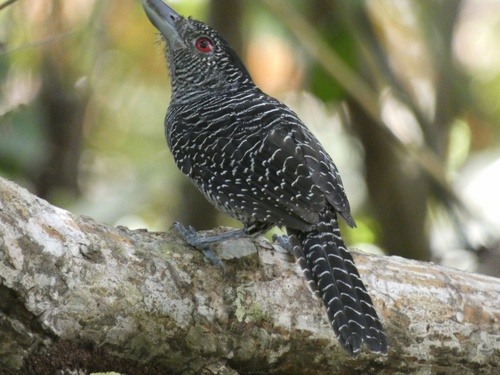 Fasciated Antshrike
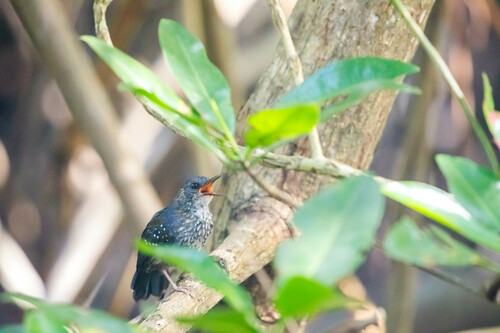 Silvered Antbird
In breve
Fasciated Antshrike e Silvered Antbird possono essere confusi dai birdwatcher, specialmente quando visti nel sottobosco ombreggiato della foresta. Il segno distintivo più affidabile è la forte barratura nera e bianca su tutto il corpo del Fasciated Antshrike (soprattutto nei maschi), rispetto alla parte superiore più uniforme grigia o marrone dello Silvered Antbird e alla parte inferiore bianca con scalloping o mottling. Le femmine e gli immaturi di entrambi possono essere difficili da distinguere, ma il becco più pesante dell'Antshrike, l'iride rossa e la corona rufous o cannella nelle femmine sono buoni indizi. Lo Silvered Antbird è notevolmente più piccolo e snello, con un becco meno robusto e un modello di parte inferiore più sottile, scallopato o maculato. Presta particolare attenzione al modello della testa, alla forma del becco e alle dimensioni complessive quando il piumaggio è ambiguo.
Consigli di identificazione
- All-over barring (males and subadult males): I maschi di Fasciated Antshrike mostrano sottili barre nere e bianche su tutto il corpo, le ali e la coda. Lo Silvered Antbird non mostra mai questo modello; invece, cerca parti superiori uniformi grigie o marroni e parti inferiori bianche con scalloping o mottling.
- Female head color: Le femmine di Fasciated Antshrike hanno una corona rufous (rossiccia), mentre le femmine di Silvered Antbird hanno una corona grigio-marrone. Questo è un segno chiave nel sottobosco ombreggiato.
- Bill structure: Il Fasciated Antshrike ha un becco pesante e ricurvo che ricorda i veri shrike; il becco dello Silvered Antbird è più fine e privo del gancio pronunciato. Questo è visibile anche in scarsa luce o in viste parziali.
- Iris color: Il Fasciated Antshrike di entrambi i sessi ha un'iride rossa, che può essere un indizio decisivo a distanza ravvicinata. L'iride dello Silvered Antbird non è descritta come rossa.
- Body size: Il Fasciated Antshrike è più grande e massiccio (17–18 cm, ~35 g) rispetto allo Silvered Antbird più piccolo e snello (14–16 cm, 21–27 g). Se vedi entrambi insieme, la differenza è ovvia; da solo, usa anche il becco e il piumaggio.
- Underpart pattern: Lo Silvered Antbird mostra parti inferiori bianche con scalloping o mottling grigio (mai barre); il Fasciated Antshrike è barrato sotto (maschi) o mostra barre marroni e buff (femmine).
- Wing covert pattern: I maschi di Silvered Antbird hanno punte bianche o macchie sulle copritrici delle ali (a seconda della sottospecie); il Fasciated Antshrike ha ali barrate senza punte bianche.
- Tail pattern: Le femmine di Fasciated Antshrike hanno barre marroni e cannella sulla coda; la coda dello Silvered Antbird è grigio scuro, a volte con punte bianche ma mai barrata.
- Crown and nape: Il maschio di Fasciated Antshrike ha una fronte e una corona nere con sottili barre bianche (o completamente nere in alcune sottospecie); i maschi di Silvered Antbird hanno una corona e una nuca grigio scuro senza barrature.
- Habitat preference: Se l'uccello sta foraggiando sopra l'acqua o in vegetazione intricata lungo il corso d'acqua, è più probabile che sia uno Silvered Antbird. Lontano dall'acqua, specialmente in foreste più secche, sospetta il Fasciated Antshrike.
- Behavior: Il Fasciated Antshrike può posarsi più apertamente e apparire più robusto; lo Silvered Antbird è più schivo e agile, spesso vicino al suolo o all'acqua.
- Voice: Se senti un lungo trillo rapido con un inizio brusco ed enfatico e un forte calo, è lo Silvered Antbird. La mancanza di questo canto non conferma il Fasciated Antshrike, ma la presenza è diagnostica per l'Antbird.
- Sexual dimorphism: Entrambe le specie mostrano differenze sessuali, ma quelle dell'Antshrike sono più pronunciate (soprattutto la corona rufous nelle femmine e la forte barratura nei maschi). I sessi dello Silvered Antbird sono più simili, con le femmine più marroni e i maschi più grigi.
- Subadult confusion: I maschi subadulti di Fasciated Antshrike hanno barre bianche più larghe ma mantengono l'aspetto barrato; i maschi subadulti di Silvered Antbird somigliano a femmine adulte (grigio-marrone sopra, bianco o buff sotto, mai barrati).
- Mixed flocks: Il Fasciated Antshrike può unirsi a stormi di specie miste, mentre lo Silvered Antbird è spesso solo o in coppie, specialmente vicino all'acqua.
Taglia
Il Fasciated Antshrike è nettamente più grande e massiccio (massa corporea ~34.7 g, lunghezza 17–18 cm) rispetto allo Silvered Antbird (21–27 g, lunghezza 14–16 cm) [wikidata][wikipedia]. La dimensione dell'Antshrike è accentuata dal suo becco pesante e ricurvo e dal corpo più robusto, mentre lo Silvered Antbird è notevolmente più leggero e più snello sia nella struttura che nella postura. Questa differenza di dimensioni è solitamente evidente quando entrambi sono visti nello stesso contesto, ma può essere sottile se visti da soli o a distanza.
Piumaggio
I piumaggi immaturi e femminili sono la principale fonte di confusione. I maschi di Fasciated Antshrike (adulto e subadulto) mostrano sottili barre nere e bianche su tutto il corpo, comprese le ali e la coda; i maschi subadulti hanno barre bianche più larghe. Le femmine hanno una corona rufous (non grigia), e il loro corpo e la coda sono barrati con toni marroni scuri e giallastri o buff. I maschi di Silvered Antbird (adulto) hanno parti superiori grigio scuro, ali e coda grigio scuro con punte bianche sulle copritrici delle ali, e parti inferiori bianche con scalloping grigio (non barre). Le femmine sono grigio-marroni sopra, con punte cannella o ocra sulle copritrici delle ali e parti inferiori variabili da bianche con lati buff a buff profondo. I maschi subadulti di Silvered Antbird assomigliano a femmine adulte. È notevole che lo Silvered Antbird non mostra mai la barratura su tutto il corpo del Fasciated Antshrike; invece, cerca scalloping o mottling sulle parti inferiori e un colore più uniforme delle parti superiori. L'iride rossa dell'Antshrike e il suo becco pesante e ricurvo sono anche distintivi, mentre l'iride dell'Antbird non è descritta come rossa e il becco è più fine.
Comportamento
Entrambe le specie foraggiano nel denso sottobosco della foresta, ma il Fasciated Antshrike appare spesso più robusto e deliberato nei suoi movimenti, a volte posandosi più in modo evidente e mostrando il suo becco pesante. Lo Silvered Antbird tende a essere più schivo e si trova spesso vicino all'acqua, muovendosi rapidamente e in basso attraverso la vegetazione intricata. L'Antshrike può essere più propenso a unirsi a stormi di specie miste, mentre l'Antbird è spesso visto da solo o in coppie.
Habitat
Entrambe le specie si sovrappongono ampiamente nel loro areale in Centro e Sud America (eccetto il cono meridionale), ma lo Silvered Antbird è più strettamente associato all'acqua, spesso trovato vicino a corsi d'acqua o rami sporgenti sopra l'acqua [wikipedia]. Il Fasciated Antshrike è più generalista, trovato in una varietà di tipi di foresta, comprese le foreste terra firme e la crescita secondaria, e non è legato all'acqua. Se trovi l'uccello in vegetazione densa che sporge su un corso d'acqua o un fiume, è più probabile che sia uno Silvered Antbird; in foreste più secche o lontano dall'acqua, favorisci il Fasciated Antshrike.
Voce
Lo Silvered Antbird ha un canto distintivo: un lungo trillo rapido di note brusche, che inizia con note più enfatiche e alte che aumentano di intensità e poi calano bruscamente. I richiami includono note 'pit' brusche e un lungo fischio discendente. Le vocalizzazioni del Fasciated Antshrike non sono descritte qui, quindi la voce è solo diagnostica se senti il trillo o il fischio caratteristico dello Silvered Antbird.
Fasciated Antshrike · Silvered Antbird · I miei uccelli difficili