

Motmot

サザナミアリモズ 対 ギンムネアリドリ

Cymbilaimus lineatus 対 Sclateria naevia

サザナミアリモズとギンムネアリドリのクイズ
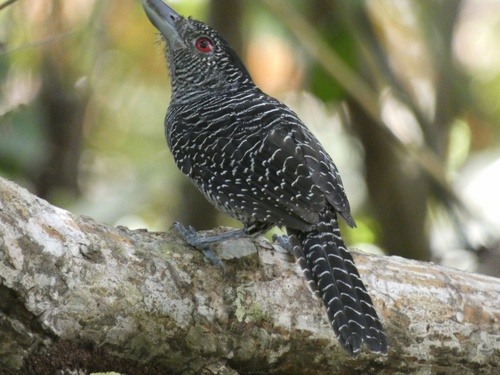
サザナミアリモズ (Cymbilaimus lineatus) サザナミアリモズ
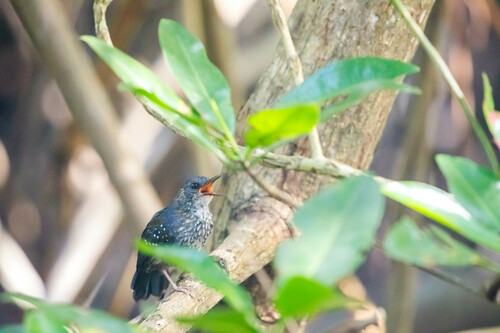
ギンムネアリドリ (Sclateria naevia) ギンムネアリドリ

メディア

読み込み中…

要点

サザナミアリモズとギンムネアリドリは、特に日陰の森林の下層で見られるときにバーダーによって混同されることがあります。最も信頼できるフィールドマークは、サザナミアリモズ(特にオス)の全体にわたる強い黒と白の縞模様であり、対してギンムネアリドリはより均一な灰色または茶色の上面と、スカロッピングまたはモッティングのある白い下面を持っています。両者の雌や幼鳥は難しい場合がありますが、サザナミアリモズの雌の重いくちばし、赤い虹彩、ルフスまたはシナモン色の冠は良い手がかりです。ギンムネアリドリは特に小さく、スリムで、より頑丈でないくちばしと、より微妙なスカロッピングまたはモッティングのある下面パターンを持っています。羽毛が曖昧な場合は、頭のパターン、くちばしの形、全体のサイズに注意を払ってください。

識別のコツ

  1. 全体の縞模様(オスと幼鳥のオス): サザナミアリモズのオスは、全身、翼、尾にわたって薄い黒と白の縞を示します。ギンムネアリドリはこのパターンを示さず、代わりに均一な灰色または茶色の上面と、スカロッピングまたはモッティングのある白い下面を探してください。
  2. 雌の頭の色: サザナミアリモズの雌はルフス(赤みがかった)冠を持ち、ギンムネアリドリの雌は灰色がかった茶色の冠を持っています。これは日陰の下層での重要なマークです。
  3. くちばしの構造: サザナミアリモズは本物のシュライクを思わせる重いフック状のくちばしを持ち、ギンムネアリドリのくちばしは細く、顕著なフックがありません。これは、暗い光や部分的な視界でも見えます。
  4. 虹彩の色: 両性のサザナミアリモズは赤い虹彩を持ち、近距離での決め手となることがあります。ギンムネアリドリの虹彩は赤とは記述されていません。
  5. 体のサイズ: サザナミアリモズは大きくて頑丈(17–18 cm、約35 g)で、より小さくスリムなギンムネアリドリ(14–16 cm、21–27 g)と比較されます。両者を一緒に見ると、違いは明らかですが、単独で見る場合はくちばしや羽毛も考慮してください。
  6. 下面のパターン: ギンムネアリドリは灰色のスカロッピングまたはモッティングのある白い下面を示し(縞は決してない)、サザナミアリモズは下面に縞模様(オス)を持つか、雌は茶色とバフの縞模様を示します。
  7. 翼の覆い羽のパターン: ギンムネアリドリのオスは翼の覆い羽に白い先端または点を持っています(亜種によって異なる)。サザナミアリモズは白い先端のない縞模様の翼を持っています。
  8. 尾のパターン: サザナミアリモズの雌は尾に茶色とシナモン色の縞を持ち、ギンムネアリドリの尾は黒っぽい灰色で、時々白い先端を持ちますが、決して縞模様はありません。
  9. 冠と後頭部: オスのサザナミアリモズは薄い白い縞のある黒い額と冠を持ち(または一部の亜種では全て黒)、ギンムネアリドリのオスは縞模様のない暗い灰色の冠と後頭部を持っています。
  10. 生息地の好み: 鳥が水の上や絡まった川岸の植生の中で餌を探している場合、ギンムネアリドリの可能性が高いです。水から離れている場合、特に乾燥した森林では、サザナミアリモズを疑ってください。
  11. 行動: サザナミアリモズはよりオープンに止まることが多く、より頑丈に見えることがあります。ギンムネアリドリはより隠れがちで、しばしば地面や水の近くで素早く低く動きます。
  12. 声: 長く急速なトリルが急に強調されて始まり、急激に落ちる音を聞いた場合、それはギンムネアリドリです。この歌がないからといってサザナミアリモズが確認されるわけではありませんが、ギンムネアリドリの存在は診断的です。
  13. 性的二形性: 両種は性差を示しますが、サザナミアリモズの方がより顕著です(特に雌のルフス冠とオスの強い縞模様)。ギンムネアリドリの性はより似ており、雌はより茶色がかり、オスはより灰色がかります。
  14. 幼鳥の混乱: 幼鳥のサザナミアリモズのオスはより広い白い縞を持っていますが、縞模様の外観を保持しています。幼鳥のギンムネアリドリのオスは成鳥の雌に似ています(灰色がかった茶色、白またはバフの下面、決して縞模様はありません)。
  15. 混合群れ: サザナミアリモズは混合種の群れに参加することがありますが、ギンムネアリドリはしばしば単独またはペアで見られ、特に水の近くで見られます。

大きさ

サザナミアリモズは明らかに大きくて頑丈(体重約34.7 g、長さ17–18 cm)で、ギンムネアリドリ(21–27 g、長さ14–16 cm)と比較されます。サザナミアリモズのサイズは、その重いフック状のくちばしとより頑丈な体によって強調され、ギンムネアリドリは明らかに軽く、よりスリムな体型と姿勢を持っています。このサイズの違いは、通常、両者が同じ文脈で見られるときに明らかですが、単独または遠くで見ると微妙な場合があります。

羽色

幼鳥と雌の羽毛は混乱の主な原因です。サザナミアリモズのオス(成鳥と幼鳥)は、全身、翼、尾にわたって薄く鋭い黒と白の縞を示します。幼鳥のオスはより広い白い縞を持っています。雌はルフスの冠(灰色ではない)を持ち、体と尾は暗い茶色と淡い黄色またはバフのトーンで縞模様があります。ギンムネアリドリのオス(成鳥)は、暗い灰色の上面、黒っぽい灰色の翼と尾に翼の覆い羽に白い先端を持ち、白い下面には灰色のスカロッピング(縞ではない)があります。雌は上面が灰色がかった茶色で、翼の覆い羽にシナモンまたはオクラ色の先端を持ち、白い側面から深いバフまでの変動する下面を持っています。幼鳥のギンムネアリドリのオスは成鳥の雌に似ています。特に、ギンムネアリドリはサザナミアリモズの全体の縞模様を示さず、代わりに下面のスカロッピングまたはモッティングと、より均一な上面の色を探してください。サザナミアリモズの赤い虹彩と重いフック状のくちばしも特徴的で、ギンムネアリドリの虹彩は赤とは記述されておらず、くちばしは細いです。

行動

両種は密な森林の下層で餌を探しますが、サザナミアリモズはしばしばより頑丈で意図的に動くように見え、時にはより目立つ場所に止まり、その重いくちばしを見せびらかします。ギンムネアリドリはより隠れがちで、水の近くで見られることが多く、絡まった植生の中を素早く低く移動します。サザナミアリモズは混合種の群れに参加する可能性が高いですが、ギンムネアリドリはしばしば単独またはペアで見られます。

生息環境

両種は中央アメリカと南アメリカ(南部のコーンを除く)で広く分布していますが、ギンムネアリドリは水により密接に関連しており、しばしば水の上の小川や枝の近くで見られます。サザナミアリモズはより一般的で、テラフィルメや二次成長を含むさまざまな森林タイプで見られ、水に依存していません。もし鳥が小川や川の上にある密な植生の中にいるのを見つけた場合、ギンムネアリドリの可能性が高いです。乾燥した森林や水から離れた場所では、サザナミアリモズを優先してください。

声

ギンムネアリドリは特徴的な歌を持っています:急激な音の長く急速なトリルで、より強調された高い音から始まり、強度が増し、その後急激に落ちます。呼び声には急な「ピット」音と長い下がり音のホイッスルが含まれます。サザナミアリモズの声はここでは記述されていないため、声はギンムネアリドリの特徴的なトリルやホイッスルを聞いた場合にのみ診断的です。

より良い説明を送る

比較と同じ項目を使ってください。文章はすぐに公開されます。

Fasciated Antshrike and Silvered Antbird can be confused by birders, especially when seen in shaded forest understory. The most reliable field mark is the strong, all-over black-and-white barring on the Fasciated Antshrike (especially males), versus the Silvered Antbird’s more uniform gray or brown upperparts and white underparts with scalloping or mottling. Females and immatures of both can be tricky, but the Antshrike’s heavier bill, red iris, and rufous or cinnamon crown in females are good clues. Silvered Antbird is notably smaller and slimmer, with a less robust bill and a more subtle, scalloped or mottled underpart pattern. Pay close attention to head pattern, bill shape, and overall size when plumage is ambiguous.

  1. All-over barring (males and subadult males): Fasciated Antshrike males show thin black-and-white bars across the entire body, wings, and tail. Silvered Antbird never shows this pattern; instead, look for uniform gray or brown upperparts and white underparts with scalloping or mottling.
  2. Female head color: Fasciated Antshrike females have a rufous (reddish) crown, while Silvered Antbird females have a grayish-brown crown. This is a key mark in shaded understory.
  3. Bill structure: Fasciated Antshrike has a heavy, hooked bill reminiscent of true shrikes; Silvered Antbird’s bill is finer and lacks the pronounced hook. This is visible even in poor light or partial views.
  4. Iris color: Fasciated Antshrike of both sexes has a red iris, which can be a clincher at close range. Silvered Antbird’s iris is not described as red.
  5. Body size: Fasciated Antshrike is larger and bulkier (17–18 cm, ~35 g) compared to the smaller, slimmer Silvered Antbird (14–16 cm, 21–27 g). If you see both together, the difference is obvious; alone, use bill and plumage as well.
  6. Underpart pattern: Silvered Antbird shows white underparts with gray scalloping or mottling (never bars); Fasciated Antshrike is barred below (males) or shows brown and buff barring (females).
  7. Wing covert pattern: Silvered Antbird males have white tips or dots on the wing coverts (depending on subspecies); Fasciated Antshrike has barred wings without white tips.
  8. Tail pattern: Fasciated Antshrike females have brown and cinnamon bars on the tail; Silvered Antbird’s tail is blackish gray, sometimes with white tips but never barred.
  9. Crown and nape: Male Fasciated Antshrike has a black forehead and crown with thin white bars (or all black in some subspecies); Silvered Antbird males have a dark gray crown and nape without barring.
  10. Habitat preference: If the bird is foraging over water or in tangled streamside vegetation, Silvered Antbird is more likely. Away from water, especially in drier forest, suspect Fasciated Antshrike.
  11. Behavior: Fasciated Antshrike may perch more openly and appear more robust; Silvered Antbird is more skulking and agile, often low to the ground or water.
  12. Voice: If you hear a long, rapid trill with an abrupt, emphatic start and a steep drop-off, it is Silvered Antbird. Lack of this song does not confirm Fasciated Antshrike, but presence is diagnostic for the Antbird.
  13. Sexual dimorphism: Both species show sex differences, but the Antshrike’s are more pronounced (especially the rufous crown in females and strong barring in males). Silvered Antbird’s sexes are more similar, with females browner and males grayer.
  14. Subadult confusion: Subadult Fasciated Antshrike males have wider white bars but retain the barred look; subadult Silvered Antbird males resemble adult females (grayish brown above, white or buff below, never barred).
  15. Mixed flocks: Fasciated Antshrike may join mixed-species flocks, while Silvered Antbird is often alone or in pairs, especially near water.

Fasciated Antshrike is distinctly larger and bulkier (body mass ~34.7 g, length 17–18 cm) compared to the Silvered Antbird (21–27 g, length 14–16 cm) [wikidata][wikipedia]. The Antshrike’s size is accentuated by its heavy, hooked bill and more robust body, while the Silvered Antbird is noticeably lighter and more slender in both build and posture. This size difference is usually apparent when both are seen in the same context, but can be subtle if seen alone or at a distance.

Immature and female plumages are the main source of confusion. Fasciated Antshrike males (adult and subadult) show thin, sharp black-and-white barring across the entire body, including the wings and tail; subadult males have wider white bars. Females have a rufous crown (not gray), and their body and tail are barred with dark brown and pale yellowish or buff tones. Silvered Antbird males (adult) have dark gray upperparts, blackish gray wings and tail with white tips on the wing coverts, and white underparts with gray scalloping (not bars). Females are grayish brown above, with cinnamon or ochraceous tips on the wing coverts and variable underparts from white with buffy sides to deep buff. Subadult Silvered Antbird males look like adult females. Notably, Silvered Antbird never shows the all-over barring of Fasciated Antshrike; instead, look for scalloping or mottling on the underparts and a more uniform upperpart color. The Antshrike’s red iris and heavy, hooked bill are also distinctive, while the Antbird’s iris is not described as red and the bill is finer.

Both species forage in dense forest understory, but Fasciated Antshrike often appears more robust and deliberate in its movements, sometimes perching more conspicuously and showing off its heavy bill. Silvered Antbird tends to be more skulking and is often found near water, moving quickly and low through tangled vegetation. The Antshrike may be more likely to join mixed-species flocks, while the Antbird is often seen alone or in pairs.

Both species overlap broadly in range across Central and South America (except the southern cone), but Silvered Antbird is more closely associated with water, often found near streams or overhanging branches above water [wikipedia]. Fasciated Antshrike is more generalist, found in a variety of forest types, including terra firme and secondary growth, and is not tied to water. If you find the bird in dense vegetation overhanging a stream or river, Silvered Antbird is more likely; in drier forest or away from water, favor Fasciated Antshrike.

Silvered Antbird has a distinctive song: a long, rapid trill of abrupt notes, starting with more emphatic, higher notes that build in intensity and then drop off steeply. Calls include abrupt 'pit' notes and a long downslurred whistle. Fasciated Antshrike’s vocalizations are not described here, so voice is only diagnostic if you hear the Silvered Antbird’s characteristic trill or whistle.

変更を破棄しますか?

保存していない編集があります。今離れると失われます。

サザナミアリモズ · ギンムネアリドリ · 苦手な鳥