

Double-crested Cormorant vs Neotropic Cormorant
Nannopterum auritum versus Nannopterum brasilianum
Play a quiz with Double-crested Cormorant and Neotropic Cormorant
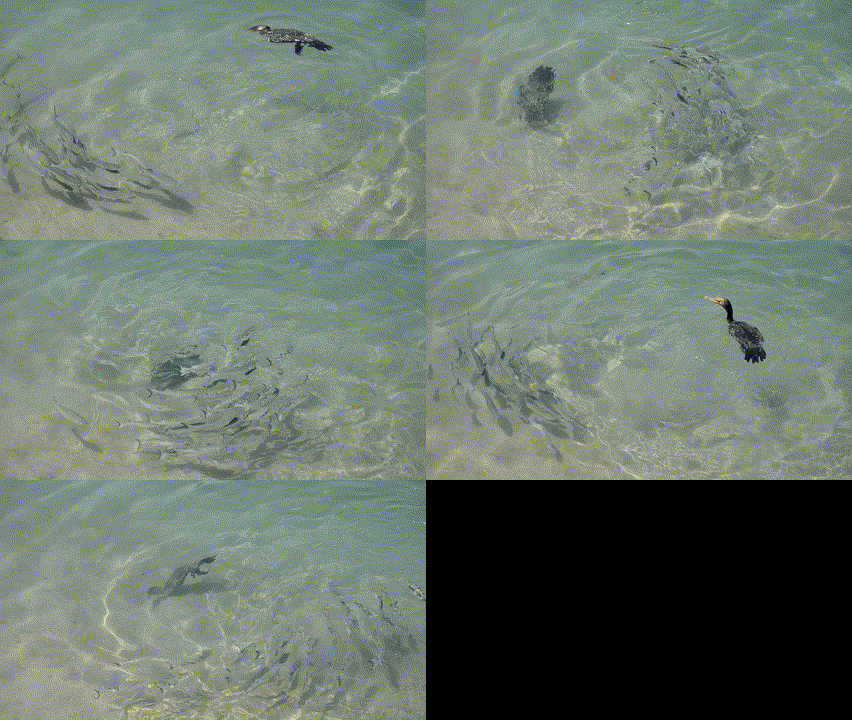 Double-crested Cormorant
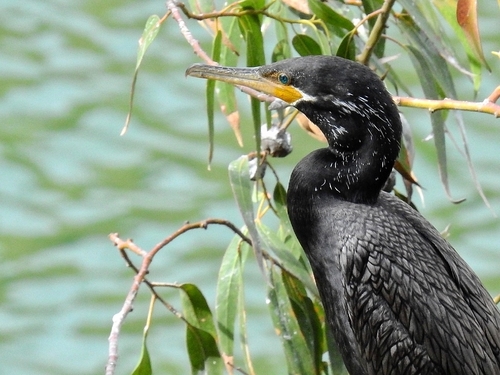 Neotropic Cormorant
In short
The most reliable field mark between Double-crested and Neotropic Cormorants is overall structure: Double-crested is bulkier with a thicker neck and shorter tail, while Neotropic is noticeably slimmer with a long tail and a more delicate, S-shaped neck. In flight or perched, Neotropic’s tail appears proportionally longer, and its bill is thinner and more pointed. Juvenile plumages are similar but Neotropic juveniles are generally browner and less contrasty below. Adult Double-cresteds in breeding season show distinctive double head crests, while Neotropic adults have white tufts and a white-edged throat patch. Size is also a clue, but overlap and distance can make this tricky. Use a combination of structure and subtle plumage details for confident identification.
Identification tips
- Tail length and shape: Neotropic Cormorant has a noticeably longer tail, which often projects well past the folded wings when perched and is conspicuous in flight. Double-crested’s tail is shorter and less prominent. This is reliable in all plumages.
- Overall structure: Double-crested is bulkier, with a thicker neck and heavier body. Neotropic is slim, with a thinner, more delicate neck and a more graceful, S-shaped posture, especially when swimming or perched.
- Bill shape: Double-crested has a thicker, more robust bill with a strong hook; Neotropic’s bill is thinner, more pointed, and appears more delicate. This is best seen at close range.
- Head and gular patch: Double-crested shows a large, orange-yellow gular patch (bare skin at the base of the bill), especially bright in breeding adults. Neotropic’s gular patch is smaller, yellow-brown, and in breeding season is edged with white.
- Breeding crests: In breeding season, Double-crested adults have distinctive double crests (tufts) above the eyes, which can be white, black, or mixed. Neotropic adults lack these crests but show small white tufts and scattered white filoplumes on the head and neck.
- Juvenile underparts: Juvenile Double-crested has a pale throat and breast that darkens toward the belly, creating a contrast. Juvenile Neotropic is more uniformly brownish below, with less contrast between throat and belly.
- Upperwing pattern: Neither species shows a strong age-specific upperwing pattern, so this is not a primary separator in flight, but Neotropic’s wings may look slightly grayer above in adults.
- Perched jizz: Neotropic often appears longer-tailed and more upright, with the tail sometimes drooping below the perch. Double-crested is more horizontal and compact.
- Flight profile: Double-crested flies with a heavier, more labored wingbeat and thicker neck; Neotropic’s flight is lighter, with a thinner neck and longer tail trailing behind.
- Bill color: Double-crested adults have a dark bill; Neotropic’s bill may look paler at the base, especially in good light.
- Facial skin: Double-crested’s facial skin is orange to yellow, more extensive and brighter than Neotropic’s yellow-brown patch.
- Group behavior: Neotropic sometimes forages in coordinated groups, beating the water; Double-crested is more likely to be seen in lines or loose flocks.
- Habitat context: In the southern U.S., both species can occur together, but Neotropic is more likely in mangroves and tropical wetlands. Double-crested is more widespread in temperate zones.
- Size in direct comparison: If seen side-by-side, Double-crested is clearly larger and heavier, but beware of lone birds or misleading perspective.
- Seasonal marks: Breeding Double-crested shows double crests and brighter orange facial skin; breeding Neotropic has white tufts and a white-edged throat patch. Non-breeding birds lose these features, so rely more on structure and tail length.
Size
Double-crested Cormorant is significantly larger: 70–90 cm (28–35 in) long with a 114–123 cm (45–48 in) wingspan and weighs 1.2–2.5 kg (2.6–5.5 lb) [wikipedia]. Neotropic Cormorant is smaller and more slender: 64 cm (25 in) long, 100 cm (39 in) wingspan, and weighs 1.1–1.5 kg (2.4–3.3 lb) for males (females slightly less) [wikipedia]. While size is helpful when birds are side-by-side, beware of lone birds or perspective at a distance—structure and plumage are more reliable.
Plumage
Juvenile and immature birds of both species are brownish with paler underparts, but Double-crested juveniles have a more distinct contrast between the pale throat/breast and darker belly, whereas Neotropic juveniles are more uniformly brown below. In adults, Double-crested is all black with a yellow-orange gular patch and, in breeding season, shows prominent double crests (white, black, or mixed) above the eyes. Neotropic adults are also mostly black but have a yellow-brown throat patch, which in breeding season gets a white edge, and white tufts/filoplumes on the sides of the head and neck. The upperwings of Neotropic are slightly grayer than the rest of the body, but this is subtle. Bill color in Double-crested adults is dark, while Neotropic’s is thinner and may appear paler at the base. In flight, Neotropic’s longer tail is a key mark, but neither species has a strongly marked upperwing pattern in any age.
Behaviour
Both species swim low in the water and dive for fish, often surfacing to dry their wings. Double-crested Cormorants tend to fly in long, single-file lines with their bills slightly upturned, while Neotropic Cormorants may appear more buoyant and agile, often holding their necks in a pronounced S-shape. Neotropic Cormorants sometimes forage in groups, beating the water to herd fish. When perched, Neotropic’s long tail often droops below the branch or dock, while Double-crested’s tail is shorter and less noticeable.
Habitat
Double-crested Cormorant is widespread across North America, found on both inland and coastal waters, from Alaska to Florida and Mexico [wikipedia]. Neotropic Cormorant is more southerly, common in the American tropics and subtropics, but reaches the southern U.S. (Texas, Gulf Coast, California) [wikipedia]. Where their ranges overlap (especially southern U.S.), both can be found on lakes, rivers, and coastal lagoons. Neotropic is more likely in mangroves and tropical wetlands, but habitat alone is not diagnostic in overlap zones.
Double-crested Cormorant · Neotropic Cormorant · My Tricky Birds