

Double-crested Cormorant vs Neotropic Cormorant
Nannopterum auritum contro Nannopterum brasilianum
Fai un quiz con Double-crested Cormorant e Neotropic Cormorant
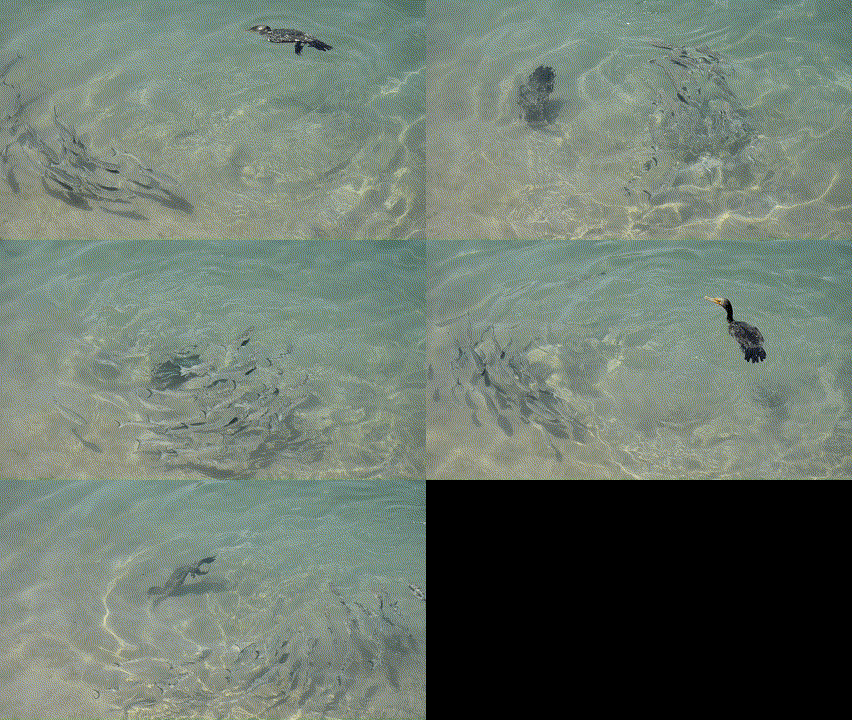 Double-crested Cormorant
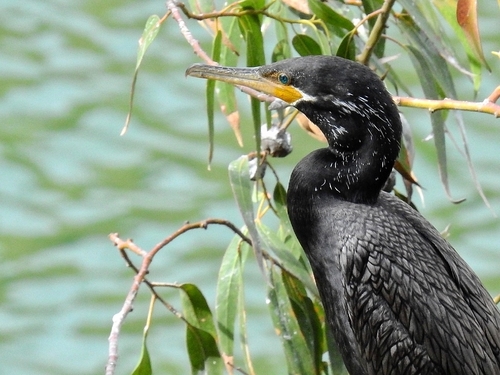 Neotropic Cormorant
In breve
Il segno distintivo più affidabile tra il Cormorano a doppia cresta e il Cormorano neotropicale è la struttura complessiva: il Cormorano a doppia cresta è più robusto con un collo più spesso e una coda più corta, mentre il Cormorano neotropicale è visibilmente più snello con una coda lunga e un collo più delicato a forma di S. In volo o posato, la coda del Cormorano neotropicale appare proporzionalmente più lunga e il suo becco è più sottile e appuntito. Le piume giovanili sono simili, ma i giovani del Cormorano neotropicale sono generalmente più marroni e meno contrastati sotto. Gli adulti del Cormorano a doppia cresta in stagione di riproduzione mostrano distintive creste doppie sulla testa, mentre gli adulti del Cormorano neotropicale hanno ciuffi bianchi e una macchia della gola bordata di bianco. Anche le dimensioni sono un indizio, ma la sovrapposizione e la distanza possono rendere questo difficile. Usa una combinazione di struttura e dettagli piumati sottili per un'identificazione sicura.
Consigli di identificazione
- Lunghezza e forma della coda: Il Cormorano neotropicale ha una coda visibilmente più lunga, che spesso si proietta ben oltre le ali piegate quando è posato ed è evidente in volo. La coda del Cormorano a doppia cresta è più corta e meno prominente. Questo è affidabile in tutte le piume.
- Struttura complessiva: Il Cormorano a doppia cresta è più robusto, con un collo più spesso e un corpo più pesante. Il Cormorano neotropicale è snello, con un collo più sottile e delicato e una postura più elegante a forma di S, specialmente quando nuota o è posato.
- Forma del becco: Il Cormorano a doppia cresta ha un becco più spesso e robusto con un forte uncino; il becco del Cormorano neotropicale è più sottile, più appuntito e appare più delicato. Questo è meglio visibile da vicino.
- Testa e macchia golare: Il Cormorano a doppia cresta mostra una grande macchia golare giallo-arancio (pelle nuda alla base del becco), particolarmente brillante negli adulti in riproduzione. La macchia golare del Cormorano neotropicale è più piccola, giallo-marrone e in stagione di riproduzione è bordata di bianco.
- Creste di riproduzione: In stagione di riproduzione, gli adulti del Cormorano a doppia cresta hanno distintive creste doppie (ciuffi) sopra gli occhi, che possono essere bianchi, neri o misti. Gli adulti del Cormorano neotropicale non hanno queste creste ma mostrano piccoli ciuffi bianchi e filopiume bianchi sparsi sulla testa e sul collo.
- Parte inferiore giovanile: Il giovane Cormorano a doppia cresta ha una gola e un petto chiari che scuriscono verso il ventre, creando un contrasto. Il giovane Cormorano neotropicale è più uniformemente marrone sotto, con meno contrasto tra gola e ventre.
- Schema dell'ala superiore: Nessuna delle due specie mostra un forte schema dell'ala superiore specifico per l'età, quindi questo non è un separatore primario in volo, ma le ali del Cormorano neotropicale possono apparire leggermente più grigie sopra negli adulti.
- Aspetto posato: Il Cormorano neotropicale appare spesso con una coda più lunga e più eretta, con la coda che a volte pende sotto il posatoio. Il Cormorano a doppia cresta è più orizzontale e compatto.
- Profilo di volo: Il Cormorano a doppia cresta vola con un battito d'ali più pesante e faticoso e un collo più spesso; il volo del Cormorano neotropicale è più leggero, con un collo più sottile e una coda più lunga che segue dietro.
- Colore del becco: Gli adulti del Cormorano a doppia cresta hanno un becco scuro; il becco del Cormorano neotropicale può apparire più chiaro alla base, specialmente in buona luce.
- Pelle facciale: La pelle facciale del Cormorano a doppia cresta è arancione-gialla, più estesa e più brillante rispetto alla macchia giallo-marrone del Cormorano neotropicale.
- Comportamento di gruppo: Il Cormorano neotropicale a volte cerca cibo in gruppi coordinati, battendo l'acqua; il Cormorano a doppia cresta è più probabile che venga visto in linee o stormi sciolti.
- Contesto dell'habitat: Negli Stati Uniti meridionali, entrambe le specie possono verificarsi insieme, ma il Cormorano neotropicale è più probabile nei mangrovieti e nelle zone umide tropicali. Il Cormorano a doppia cresta è più diffuso nelle zone temperate.
- Dimensioni in confronto diretto: Se visti fianco a fianco, il Cormorano a doppia cresta è chiaramente più grande e più pesante, ma fai attenzione agli uccelli solitari o a prospettive fuorvianti.
- Segni stagionali: Il Cormorano a doppia cresta in riproduzione mostra creste doppie e pelle facciale arancione più brillante; il Cormorano neotropicale in riproduzione ha ciuffi bianchi e una macchia della gola bordata di bianco. Gli uccelli non in riproduzione perdono queste caratteristiche, quindi fai affidamento più sulla struttura e sulla lunghezza della coda.
Taglia
Il Cormorano a doppia cresta è significativamente più grande: 70–90 cm (28–35 in) di lunghezza con un'apertura alare di 114–123 cm (45–48 in) e pesa 1.2–2.5 kg (2.6–5.5 lb) [wikipedia]. Il Cormorano neotropicale è più piccolo e più snello: 64 cm (25 in) di lunghezza, 100 cm (39 in) di apertura alare e pesa 1.1–1.5 kg (2.4–3.3 lb) per i maschi (femmine leggermente meno) [wikipedia]. Anche se le dimensioni sono utili quando gli uccelli sono fianco a fianco, fai attenzione agli uccelli solitari o alla prospettiva a distanza: struttura e piumaggio sono più affidabili.
Piumaggio
Gli uccelli giovanili e immaturi di entrambe le specie sono marroni con parti inferiori più chiare, ma i giovani del Cormorano a doppia cresta hanno un contrasto più distinto tra la gola/petto chiaro e il ventre più scuro, mentre i giovani del Cormorano neotropicale sono più uniformemente marroni sotto. Negli adulti, il Cormorano a doppia cresta è completamente nero con una macchia golare giallo-arancio e, in stagione di riproduzione, mostra creste doppie prominenti (bianche, nere o miste) sopra gli occhi. Gli adulti del Cormorano neotropicale sono anche per lo più neri ma hanno una macchia della gola giallo-marrone, che in stagione di riproduzione ottiene un bordo bianco, e ciuffi/filopiume bianchi sui lati della testa e del collo. Le ali superiori del Cormorano neotropicale sono leggermente più grigie rispetto al resto del corpo, ma questo è sottile. Il colore del becco negli adulti del Cormorano a doppia cresta è scuro, mentre quello del Cormorano neotropicale è più sottile e può apparire più chiaro alla base. In volo, la coda più lunga del Cormorano neotropicale è un segno chiave, ma nessuna delle due specie ha un forte schema dell'ala superiore in nessuna età.
Comportamento
Entrambe le specie nuotano basse nell'acqua e si tuffano per pesci, spesso riemergendo per asciugare le ali. I Cormorani a doppia cresta tendono a volare in lunghe linee in fila indiana con i loro becchi leggermente sollevati, mentre i Cormorani neotropicali possono apparire più galleggianti e agili, spesso mantenendo i loro colli in una pronunciata forma a S. I Cormorani neotropicali a volte cercano cibo in gruppi, battendo l'acqua per radunare i pesci. Quando sono posati, la lunga coda del Cormorano neotropicale spesso pende sotto il ramo o il molo, mentre la coda del Cormorano a doppia cresta è più corta e meno evidente.
Habitat
Il Cormorano a doppia cresta è diffuso in tutta l'America del Nord, trovato sia in acque interne che costiere, dall'Alaska alla Florida e al Messico [wikipedia]. Il Cormorano neotropicale è più meridionale, comune nei tropici e subtropici americani, ma raggiunge il sud degli Stati Uniti (Texas, Costa del Golfo, California) [wikipedia]. Dove i loro territori si sovrappongono (soprattutto nel sud degli Stati Uniti), entrambi possono essere trovati su laghi, fiumi e lagune costiere. Il Cormorano neotropicale è più probabile nei mangrovieti e nelle zone umide tropicali, ma l'habitat da solo non è diagnostico nelle zone di sovrapposizione.
Double-crested Cormorant · Neotropic Cormorant · I miei uccelli difficili