

Motmot

ミミヒメウ 対 ナンベイヒメウ

Nannopterum auritum 対 Nannopterum brasilianum

ミミヒメウとナンベイヒメウのクイズ
ミミヒメウ (Nannopterum auritum) ミミヒメウ
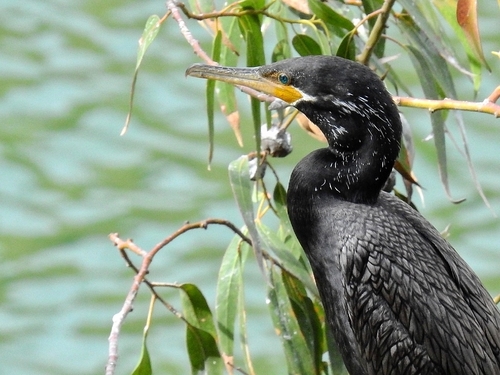
ナンベイヒメウ (Nannopterum brasilianum) ナンベイヒメウ

メディア

読み込み中…

要点

ダブルクレストとナンベイヒメウの最も信頼できるフィールドマークは全体的な構造です:ダブルクレストはより大きく、首が太く、尾が短いのに対し、ナンベイヒメウは明らかにスリムで、尾が長く、より繊細でS字型の首を持っています。飛行中または止まっているとき、ナンベイヒメウの尾は相対的に長く見え、くちばしは細く、尖っています。幼鳥の羽毛は似ていますが、ナンベイヒメウの幼鳥は一般的に下側がより茶色く、コントラストが少ないです。繁殖期の成鳥ダブルクレストは特徴的な二重の頭の冠を示し、ナンベイヒメウの成鳥は白い房と白い縁の喉の斑点を持っています。サイズも手がかりですが、重なりや距離があると難しくなります。自信を持って識別するためには、構造と微妙な羽毛の詳細の組み合わせを使用してください。

識別のコツ

  1. 尾の長さと形状: ナンベイヒメウは明らかに長い尾を持ち、止まっているときには折りたたまれた翼を超えてよく突き出し、飛行中には目立ちます。ダブルクレストの尾は短く、目立ちません。これはすべての羽毛で信頼できます。
  2. 全体的な構造: ダブルクレストはより大きく、首が太く、体が重いです。ナンベイヒメウはスリムで、より細く、繊細な首を持ち、特に泳いでいるときや止まっているときに優雅なS字型の姿勢をしています。
  3. くちばしの形: ダブルクレストは太く、頑丈なくちばしを持ち、強いフックがあります。ナンベイヒメウのくちばしは細く、尖っており、より繊細に見えます。これは近距離で最もよく見られます。
  4. 頭部と喉の斑点: ダブルクレストは大きなオレンジイエローの喉の斑点(くちばしの基部の裸の皮膚)を示し、繁殖期の成鳥では特に明るいです。ナンベイヒメウの喉の斑点は小さく、黄褐色で、繁殖期には白い縁があります。
  5. 繁殖期の冠: 繁殖期には、ダブルクレストの成鳥は目の上に特徴的な二重の冠(房)を持ち、白、黒、または混合の色をしています。ナンベイヒメウの成鳥はこれらの冠を持たず、小さな白い房と頭部や首に散在する白いフィロプラームを示します。
  6. 幼鳥の下部: 幼鳥のダブルクレストは、喉と胸が淡い色で、腹に向かって暗くなり、コントラストを生み出します。幼鳥のナンベイヒメウはより均一に茶色がかっており、喉と腹の間のコントラストが少ないです。
  7. 上翼のパターン: どちらの種も強い年齢特有の上翼パターンを示さないため、これは飛行中の主要な区別要因ではありませんが、ナンベイヒメウの翼は成鳥ではわずかに灰色に見えることがあります。
  8. 止まっているときの姿勢: ナンベイヒメウはしばしば尾が長く、より直立して見え、尾が止まり木の下に垂れ下がることがあります。ダブルクレストはより水平でコンパクトです。
  9. 飛行プロファイル: ダブルクレストは重く、より労力を要する翼の打ち方で飛び、首が太いです。ナンベイヒメウの飛行は軽く、首が細く、尾が後ろに長く引きずられます。
  10. くちばしの色: ダブルクレストの成鳥は暗いくちばしを持ち、ナンベイヒメウのくちばしは基部でより明るく見えることがあります、特に良い光の下では。
  11. 顔の皮膚: ダブルクレストの顔の皮膚はオレンジから黄色で、ナンベイヒメウの黄褐色の斑点よりも広範囲で明るいです。
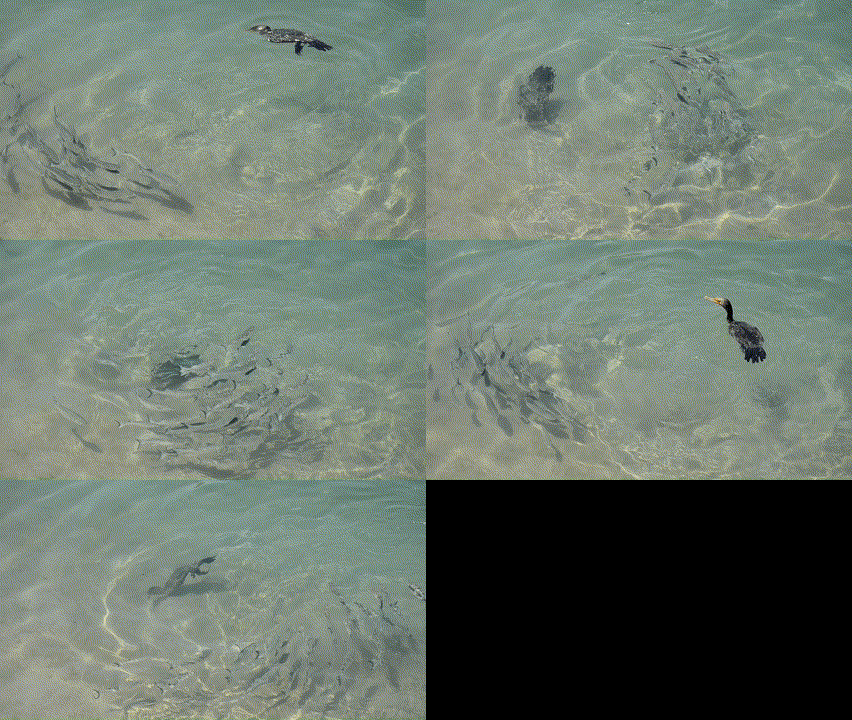
  12. 群れの行動: ナンベイヒメウは時々協調したグループで餌を探し、水面を叩いて魚を追い込むことがあります。ダブルクレストは列や緩い群れで見られることが多いです。
  13. 生息地の文脈: 南部アメリカでは、両種が一緒に見られることがありますが、ナンベイヒメウはマングローブや熱帯湿地にいる可能性が高いです。ダブルクレストは温帯地域に広く分布しています。
  14. 直接比較でのサイズ: 並んで見た場合、ダブルクレストは明らかに大きく重いですが、孤立した鳥や遠くからの視点には注意が必要です。
  15. 季節的なマーク: 繁殖期のダブルクレストは二重の冠と明るいオレンジの顔の皮膚を示し、繁殖期のナンベイヒメウは白い房と白い縁の喉の斑点を持っています。非繁殖期の鳥はこれらの特徴を失うため、構造と尾の長さにより依存してください。

大きさ

ダブルクレストは明らかに大きいです:70–90 cm(28–35インチ)で、翼幅は114–123 cm(45–48インチ)、体重は1.2–2.5 kg(2.6–5.5ポンド)です [wikipedia]。ナンベイヒメウは小さく、よりスリムで、長さは64 cm(25インチ)、翼幅は100 cm(39インチ)、体重はオスで1.1–1.5 kg(2.4–3.3ポンド)(メスはやや少ない)です [wikipedia]。サイズは鳥が並んでいるときに役立ちますが、孤立した鳥や遠くからの視点には注意が必要です—構造と羽毛がより信頼できます。

羽色

両種の幼鳥と未成熟の鳥は茶色がかっており、下部は淡い色ですが、ダブルクレストの幼鳥は淡い喉/胸と暗い腹の間により明確なコントラストがありますが、ナンベイヒメウの幼鳥は下側がより均一に茶色です。成鳥では、ダブルクレストは全体が黒で、黄色オレンジの喉の斑点を持ち、繁殖期には目の上に目立つ二重の冠(白、黒、または混合)を示します。ナンベイヒメウの成鳥もほとんど黒ですが、黄色褐色の喉の斑点を持ち、繁殖期には白い縁が付き、頭部と首の側面に白い房やフィロプラームがあります。ナンベイヒメウの上翼は体の他の部分よりわずかに灰色がかっていますが、これは微妙です。ダブルクレストの成鳥のくちばしの色は暗いですが、ナンベイヒメウのくちばしは細く、基部でより明るく見えることがあります。飛行中、ナンベイヒメウの長い尾は重要なマークですが、どちらの種も年齢に関係なく強くマークされた上翼パターンはありません。

行動

両種は水中で低く泳ぎ、魚を捕まえるために潜ります。ダブルクレストはくちばしをわずかに上向きにして長い単列のラインで飛ぶ傾向がありますが、ナンベイヒメウはより浮力があり、機敏に見え、しばしば首をはっきりとしたS字型に保ちます。ナンベイヒメウは時々グループで餌を探し、水面を叩いて魚を追い込むことがあります。止まっているとき、ナンベイヒメウの長い尾はしばしば枝や桟橋の下に垂れ下がりますが、ダブルクレストの尾は短く、目立ちません。

生息環境

ダブルクレストは北アメリカ全域に広く分布し、内陸および沿岸の水域、アラスカからフロリダ、メキシコまで見られます [wikipedia]。ナンベイヒメウはより南に分布し、アメリカの熱帯および亜熱帯で一般的ですが、南部アメリカ(テキサス、メキシコ湾岸、カリフォルニア)にも到達します [wikipedia]。彼らの分布が重なる場所(特に南部アメリカ)では、両種が湖、川、沿岸の潟に見られます。ナンベイヒメウはマングローブや熱帯湿地にいる可能性が高いですが、重なりゾーンでは生息地だけでは診断できません。

より良い説明を送る

比較と同じ項目を使ってください。文章はすぐに公開されます。

The most reliable field mark between Double-crested and Neotropic Cormorants is overall structure: Double-crested is bulkier with a thicker neck and shorter tail, while Neotropic is noticeably slimmer with a long tail and a more delicate, S-shaped neck. In flight or perched, Neotropic’s tail appears proportionally longer, and its bill is thinner and more pointed. Juvenile plumages are similar but Neotropic juveniles are generally browner and less contrasty below. Adult Double-cresteds in breeding season show distinctive double head crests, while Neotropic adults have white tufts and a white-edged throat patch. Size is also a clue, but overlap and distance can make this tricky. Use a combination of structure and subtle plumage details for confident identification.

  1. Tail length and shape: Neotropic Cormorant has a noticeably longer tail, which often projects well past the folded wings when perched and is conspicuous in flight. Double-crested’s tail is shorter and less prominent. This is reliable in all plumages.
  2. Overall structure: Double-crested is bulkier, with a thicker neck and heavier body. Neotropic is slim, with a thinner, more delicate neck and a more graceful, S-shaped posture, especially when swimming or perched.
  3. Bill shape: Double-crested has a thicker, more robust bill with a strong hook; Neotropic’s bill is thinner, more pointed, and appears more delicate. This is best seen at close range.
  4. Head and gular patch: Double-crested shows a large, orange-yellow gular patch (bare skin at the base of the bill), especially bright in breeding adults. Neotropic’s gular patch is smaller, yellow-brown, and in breeding season is edged with white.
  5. Breeding crests: In breeding season, Double-crested adults have distinctive double crests (tufts) above the eyes, which can be white, black, or mixed. Neotropic adults lack these crests but show small white tufts and scattered white filoplumes on the head and neck.
  6. Juvenile underparts: Juvenile Double-crested has a pale throat and breast that darkens toward the belly, creating a contrast. Juvenile Neotropic is more uniformly brownish below, with less contrast between throat and belly.
  7. Upperwing pattern: Neither species shows a strong age-specific upperwing pattern, so this is not a primary separator in flight, but Neotropic’s wings may look slightly grayer above in adults.
  8. Perched jizz: Neotropic often appears longer-tailed and more upright, with the tail sometimes drooping below the perch. Double-crested is more horizontal and compact.
  9. Flight profile: Double-crested flies with a heavier, more labored wingbeat and thicker neck; Neotropic’s flight is lighter, with a thinner neck and longer tail trailing behind.
  10. Bill color: Double-crested adults have a dark bill; Neotropic’s bill may look paler at the base, especially in good light.
  11. Facial skin: Double-crested’s facial skin is orange to yellow, more extensive and brighter than Neotropic’s yellow-brown patch.
  12. Group behavior: Neotropic sometimes forages in coordinated groups, beating the water; Double-crested is more likely to be seen in lines or loose flocks.
  13. Habitat context: In the southern U.S., both species can occur together, but Neotropic is more likely in mangroves and tropical wetlands. Double-crested is more widespread in temperate zones.
  14. Size in direct comparison: If seen side-by-side, Double-crested is clearly larger and heavier, but beware of lone birds or misleading perspective.
  15. Seasonal marks: Breeding Double-crested shows double crests and brighter orange facial skin; breeding Neotropic has white tufts and a white-edged throat patch. Non-breeding birds lose these features, so rely more on structure and tail length.

Double-crested Cormorant is significantly larger: 70–90 cm (28–35 in) long with a 114–123 cm (45–48 in) wingspan and weighs 1.2–2.5 kg (2.6–5.5 lb) [wikipedia]. Neotropic Cormorant is smaller and more slender: 64 cm (25 in) long, 100 cm (39 in) wingspan, and weighs 1.1–1.5 kg (2.4–3.3 lb) for males (females slightly less) [wikipedia]. While size is helpful when birds are side-by-side, beware of lone birds or perspective at a distance—structure and plumage are more reliable.

Juvenile and immature birds of both species are brownish with paler underparts, but Double-crested juveniles have a more distinct contrast between the pale throat/breast and darker belly, whereas Neotropic juveniles are more uniformly brown below. In adults, Double-crested is all black with a yellow-orange gular patch and, in breeding season, shows prominent double crests (white, black, or mixed) above the eyes. Neotropic adults are also mostly black but have a yellow-brown throat patch, which in breeding season gets a white edge, and white tufts/filoplumes on the sides of the head and neck. The upperwings of Neotropic are slightly grayer than the rest of the body, but this is subtle. Bill color in Double-crested adults is dark, while Neotropic’s is thinner and may appear paler at the base. In flight, Neotropic’s longer tail is a key mark, but neither species has a strongly marked upperwing pattern in any age.

Both species swim low in the water and dive for fish, often surfacing to dry their wings. Double-crested Cormorants tend to fly in long, single-file lines with their bills slightly upturned, while Neotropic Cormorants may appear more buoyant and agile, often holding their necks in a pronounced S-shape. Neotropic Cormorants sometimes forage in groups, beating the water to herd fish. When perched, Neotropic’s long tail often droops below the branch or dock, while Double-crested’s tail is shorter and less noticeable.

Double-crested Cormorant is widespread across North America, found on both inland and coastal waters, from Alaska to Florida and Mexico [wikipedia]. Neotropic Cormorant is more southerly, common in the American tropics and subtropics, but reaches the southern U.S. (Texas, Gulf Coast, California) [wikipedia]. Where their ranges overlap (especially southern U.S.), both can be found on lakes, rivers, and coastal lagoons. Neotropic is more likely in mangroves and tropical wetlands, but habitat alone is not diagnostic in overlap zones.

変更を破棄しますか?

保存していない編集があります。今離れると失われます。

ミミヒメウ · ナンベイヒメウ · 苦手な鳥