

Motmot

Chestnut-capped Babbler vs White-browed Scimitar-Babbler

Timalia pileata versus Pomatorhinus schisticeps

Play a quiz with Chestnut-capped Babbler and White-browed Scimitar-Babbler
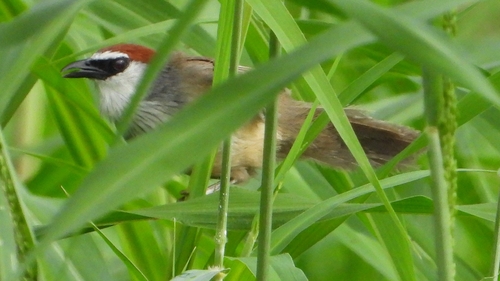
Chestnut-capped Babbler (Timalia pileata) Chestnut-capped Babbler
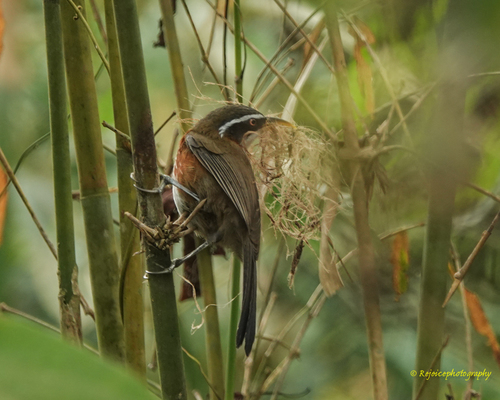
White-browed Scimitar-Babbler (Pomatorhinus schisticeps) White-browed Scimitar-Babbler

Media

Loading…

In short

The most reliable way to separate Chestnut-capped Babbler from White-browed Scimitar-Babbler is by size and head pattern. Chestnut-capped Babbler is much smaller and slimmer, with a distinctive chestnut crown, white forehead, and black eye mask, while White-browed Scimitar-Babbler is bulkier and has a strong white brow but lacks the chestnut cap. Bill shape is also very different: Chestnut-capped Babbler has a thick, straight black bill, whereas White-browed Scimitar-Babbler sports a long, strongly decurved bill. Both species can be found in similar habitats, but their structure and head markings are the quickest field clues. Age-specific wing or flight marks are not described for either species, so focus on head and bill shape in all plumages.

Identification tips

  1. Size: Chestnut-capped Babbler is much smaller and lighter (19 g) than White-browed Scimitar-Babbler (43 g). Use this difference when both are present or when you have a sense of scale.
  2. Bill shape: Chestnut-capped Babbler has a thick, straight black bill, while White-browed Scimitar-Babbler has a much longer, strongly decurved bill. The scimitar shape is obvious at close range or in profile.
  3. Crown color: Only Chestnut-capped Babbler has a rich chestnut crown. White-browed Scimitar-Babbler's crown is not chestnut and blends more with the rest of the head.
  4. Forehead and eyebrow: Chestnut-capped Babbler shows a white forehead and a well-defined white eyebrow line. White-browed Scimitar-Babbler has a bold white brow but lacks the white forehead and chestnut crown.
  5. Eye mask: Chestnut-capped Babbler features a sharp black mask through the eye, contrasting with the white and chestnut above. White-browed Scimitar-Babbler has a dark line through the eye but not a full black mask.
  6. Iris color (sex differences): In Chestnut-capped Babbler, males have a ruby-red iris and females a black iris. This is subtle and only visible at very close range, but may help in hand or in photos.
  7. Tail shape: Chestnut-capped Babbler has a fairly long, wedge-shaped tail, which can look more pointed and slim compared to the bulkier tail of White-browed Scimitar-Babbler.
  8. Plumage pattern: Both species are plain brown on the body without barring, so do not rely on body pattern for separation.
  9. Flight and wing pattern: No distinctive age-specific or flight marks are described for either species, so do not use wing pattern for separation.
  10. Habitat: Both species can occur in similar forest types, so habitat alone is not a reliable separator.
  11. Behavior: No diagnostic behavioral differences are noted in these sources.
  12. Pitfalls: Immature birds are not described as differing in wing or body pattern, so the main risk is overlooking the head pattern or bill shape in poor views.
  13. Sex and season: Both species are similar in plumage across sexes and seasons, except for iris color in Chestnut-capped Babbler.
  14. Quick check: If you see a small, slim babbler with a chestnut crown and black mask, it's Chestnut-capped Babbler. If the bird is larger, with a long, curved bill and a strong white brow but no chestnut crown, it's White-browed Scimitar-Babbler.
  15. When marks fail: In poor light or partial views, focus on overall size and bill shape as the most consistently reliable differences.

Size

Chestnut-capped Babbler is less than half the mass of White-browed Scimitar-Babbler (19 g vs 43 g), and appears much more delicate and slender overall. In the field, Chestnut-capped Babbler is a medium-sized babbler with a long, wedge-shaped tail, while White-browed Scimitar-Babbler is noticeably larger and heavier-bodied. This size difference is often apparent even at a distance, especially when both species are seen in the same habitat.

Plumage

No age-specific wing or flight pattern differences are described for either species. For all ages and sexes, Chestnut-capped Babbler shows a striking chestnut crown, white forehead, and white eyebrow line, sharply set off by a black eye mask. Its body is plain, unbarred brown. In contrast, White-browed Scimitar-Babbler lacks the chestnut crown and instead features a prominent white brow above a dark line through the eye, but its crown is not chestnut. The rest of its plumage is not described in detail here, but the head pattern is the key visual difference. Both species are similar in that they lack strong barring or patterning on the body, but the head markings are diagnostic.

Behaviour

Behavior is not described in detail for either species in these notes. Both are typical babblers, often seen moving through dense vegetation. No distinctive behavioral differences are noted here.

Habitat

Both species occur in subtropical or tropical moist lowland and montane forests across overlapping regions in South and Southeast Asia. Habitat alone is not diagnostic between these two, as both can be found in similar forested environments.

Submit a better description

Use the same sections as the comparison. Your text is published immediately.

The most reliable way to separate Chestnut-capped Babbler from White-browed Scimitar-Babbler is by size and head pattern. Chestnut-capped Babbler is much smaller and slimmer, with a distinctive chestnut crown, white forehead, and black eye mask, while White-browed Scimitar-Babbler is bulkier and has a strong white brow but lacks the chestnut cap. Bill shape is also very different: Chestnut-capped Babbler has a thick, straight black bill, whereas White-browed Scimitar-Babbler sports a long, strongly decurved bill. Both species can be found in similar habitats, but their structure and head markings are the quickest field clues. Age-specific wing or flight marks are not described for either species, so focus on head and bill shape in all plumages.

  1. Size: Chestnut-capped Babbler is much smaller and lighter (19 g) than White-browed Scimitar-Babbler (43 g). Use this difference when both are present or when you have a sense of scale.
  2. Bill shape: Chestnut-capped Babbler has a thick, straight black bill, while White-browed Scimitar-Babbler has a much longer, strongly decurved bill. The scimitar shape is obvious at close range or in profile.
  3. Crown color: Only Chestnut-capped Babbler has a rich chestnut crown. White-browed Scimitar-Babbler's crown is not chestnut and blends more with the rest of the head.
  4. Forehead and eyebrow: Chestnut-capped Babbler shows a white forehead and a well-defined white eyebrow line. White-browed Scimitar-Babbler has a bold white brow but lacks the white forehead and chestnut crown.
  5. Eye mask: Chestnut-capped Babbler features a sharp black mask through the eye, contrasting with the white and chestnut above. White-browed Scimitar-Babbler has a dark line through the eye but not a full black mask.
  6. Iris color (sex differences): In Chestnut-capped Babbler, males have a ruby-red iris and females a black iris. This is subtle and only visible at very close range, but may help in hand or in photos.
  7. Tail shape: Chestnut-capped Babbler has a fairly long, wedge-shaped tail, which can look more pointed and slim compared to the bulkier tail of White-browed Scimitar-Babbler.
  8. Plumage pattern: Both species are plain brown on the body without barring, so do not rely on body pattern for separation.
  9. Flight and wing pattern: No distinctive age-specific or flight marks are described for either species, so do not use wing pattern for separation.
  10. Habitat: Both species can occur in similar forest types, so habitat alone is not a reliable separator.
  11. Behavior: No diagnostic behavioral differences are noted in these sources.
  12. Pitfalls: Immature birds are not described as differing in wing or body pattern, so the main risk is overlooking the head pattern or bill shape in poor views.
  13. Sex and season: Both species are similar in plumage across sexes and seasons, except for iris color in Chestnut-capped Babbler.
  14. Quick check: If you see a small, slim babbler with a chestnut crown and black mask, it's Chestnut-capped Babbler. If the bird is larger, with a long, curved bill and a strong white brow but no chestnut crown, it's White-browed Scimitar-Babbler.
  15. When marks fail: In poor light or partial views, focus on overall size and bill shape as the most consistently reliable differences.

Chestnut-capped Babbler is less than half the mass of White-browed Scimitar-Babbler (19 g vs 43 g), and appears much more delicate and slender overall. In the field, Chestnut-capped Babbler is a medium-sized babbler with a long, wedge-shaped tail, while White-browed Scimitar-Babbler is noticeably larger and heavier-bodied. This size difference is often apparent even at a distance, especially when both species are seen in the same habitat.

No age-specific wing or flight pattern differences are described for either species. For all ages and sexes, Chestnut-capped Babbler shows a striking chestnut crown, white forehead, and white eyebrow line, sharply set off by a black eye mask. Its body is plain, unbarred brown. In contrast, White-browed Scimitar-Babbler lacks the chestnut crown and instead features a prominent white brow above a dark line through the eye, but its crown is not chestnut. The rest of its plumage is not described in detail here, but the head pattern is the key visual difference. Both species are similar in that they lack strong barring or patterning on the body, but the head markings are diagnostic.

Behavior is not described in detail for either species in these notes. Both are typical babblers, often seen moving through dense vegetation. No distinctive behavioral differences are noted here.

Both species occur in subtropical or tropical moist lowland and montane forests across overlapping regions in South and Southeast Asia. Habitat alone is not diagnostic between these two, as both can be found in similar forested environments.

Discard your changes?

You have unsaved edits. If you leave now, those changes will be lost.

Chestnut-capped Babbler · White-browed Scimitar-Babbler · My Tricky Birds