

Roodkoptimalia vs Witbrauwkruiplijster
Timalia pileata versus Pomatorhinus schisticeps
Speel een quiz met Roodkoptimalia en Witbrauwkruiplijster
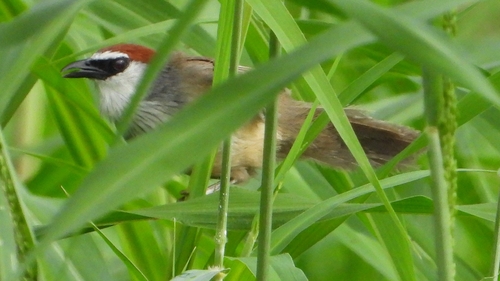 Roodkoptimalia
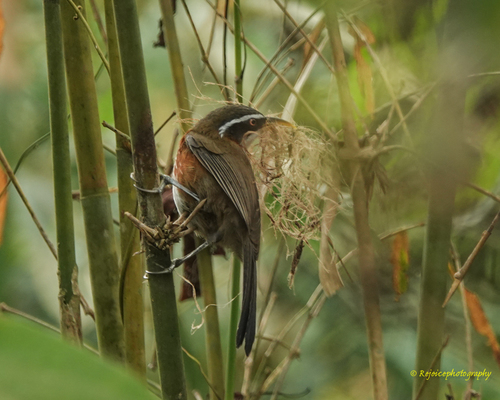 Witbrauwkruiplijster
Kort gezegd
De meest betrouwbare manier om Roodkoptimalia van Witbrauwkruiplijster te scheiden, is op basis van grootte en koptekening. Roodkoptimalia is veel kleiner en slanker, met een kenmerkende kastanjebruine kroon, een witte voorhoofd en een zwarte oogmasker, terwijl Witbrauwkruiplijster robuuster is en een sterke witte wenkbrauw heeft, maar de kastanjebruine kroon mist. De snavelvorm is ook heel anders: Roodkoptimalia heeft een dikke, rechte zwarte snavel, terwijl Witbrauwkruiplijster een lange, sterk gebogen snavel heeft. Beide soorten kunnen in vergelijkbare habitats worden aangetroffen, maar hun structuur en kopmarkeringen zijn de snelste aanwijzingen in het veld. Leeftijdspecifieke vleugel- of vluchtmarkeringen zijn voor geen van beide soorten beschreven, dus concentreer je op de kop- en snavelvorm in alle verenkleed.
Herkenningstips
- Grootte: Roodkoptimalia is veel kleiner en lichter (19 g) dan Witbrauwkruiplijster (43 g). Gebruik dit verschil wanneer beide aanwezig zijn of wanneer je een gevoel voor schaal hebt.
- Snavelvorm: Roodkoptimalia heeft een dikke, rechte zwarte snavel, terwijl Witbrauwkruiplijster een veel langere, sterk gebogen snavel heeft. De scimitarvorm is duidelijk van dichtbij of in profiel.
- Kroon kleur: Alleen Roodkoptimalia heeft een rijke kastanjebruine kroon. De kroon van Witbrauwkruiplijster is niet kastanjebruin en mengt meer met de rest van het hoofd.
- Voorhoofd en wenkbrauw: Roodkoptimalia toont een wit voorhoofd en een goed gedefinieerde witte wenkbrauwlijn. Witbrauwkruiplijster heeft een gedurfde witte wenkbrauw maar mist het witte voorhoofd en de kastanjebruine kroon.
- Oogmasker: Roodkoptimalia heeft een scherpe zwarte masker door het oog, in contrast met het wit en kastanjebruin erboven. Witbrauwkruiplijster heeft een donkere lijn door het oog maar geen volledig zwart masker.
- Iris kleur (geslachtsverschillen): Bij Roodkoptimalia hebben mannetjes een robijnrode iris en vrouwtjes een zwarte iris. Dit is subtiel en alleen zichtbaar van zeer dichtbij, maar kan helpen in de hand of op foto's.
- Staartvorm: Roodkoptimalia heeft een vrij lange, wigvormige staart, die er puntiger en slanker uit kan zien in vergelijking met de robuustere staart van Witbrauwkruiplijster.
- Verenkleed patroon: Beide soorten zijn eenvoudig bruin op het lichaam zonder strepen, dus vertrouw niet op het lichaamspatroon voor scheiding.
- Vlucht en vleugel patroon: Er zijn geen onderscheidende leeftijdspecifieke of vluchtmarkeringen beschreven voor beide soorten, dus gebruik geen vleugelpatroon voor scheiding.
- Habitat: Beide soorten kunnen voorkomen in vergelijkbare bossoorten, dus habitat alleen is geen betrouwbare scheiding.
- Gedrag: Er zijn geen diagnostische gedragsverschillen opgemerkt in deze bronnen.
- Valstrikken: Onvolwassen vogels worden niet beschreven als verschillend in vleugel- of lichaamspatroon, dus het grootste risico is het over het hoofd zien van het koppatroon of de snavelvorm bij slechte uitzichten.
- Geslacht en seizoen: Beide soorten zijn vergelijkbaar in verenkleed over geslachten en seizoenen, behalve voor iris kleur bij Roodkoptimalia.
- Snelle controle: Als je een kleine, slanke babbler met een kastanjebruine kroon en zwart masker ziet, is het Roodkoptimalia. Als de vogel groter is, met een lange, gebogen snavel en een sterke witte wenkbrauw maar zonder kastanjebruine kroon, is het Witbrauwkruiplijster.
- Wanneer markeringen falen: In slecht licht of gedeeltelijke uitzichten, concentreer je op de algehele grootte en snavelvorm als de meest consistent betrouwbare verschillen.
Grootte
Roodkoptimalia is minder dan de helft van de massa van Witbrauwkruiplijster (19 g vs 43 g), en lijkt veel delicater en slanker in het algemeen. In het veld is Roodkoptimalia een middelgrote babbler met een lange, wigvormige staart, terwijl Witbrauwkruiplijster merkbaar groter en zwaarder is. Dit grootteverschil is vaak zelfs op afstand duidelijk, vooral wanneer beide soorten in hetzelfde habitat worden gezien.
Verenkleed
Er zijn geen leeftijdspecifieke vleugel- of vluchtpatroonverschillen beschreven voor beide soorten. Voor alle leeftijden en geslachten toont Roodkoptimalia een opvallende kastanjebruine kroon, een wit voorhoofd en een witte wenkbrauwlijn, scherp afgebakend door een zwart oogmasker. Het lichaam is eenvoudig, ongestreept bruin. In tegenstelling tot Roodkoptimalia mist Witbrauwkruiplijster de kastanjebruine kroon en heeft in plaats daarvan een prominente witte wenkbrauw boven een donkere lijn door het oog, maar zijn kroon is niet kastanjebruin. De rest van zijn verenkleed wordt hier niet in detail beschreven, maar het koppatroon is het belangrijkste visuele verschil. Beide soorten zijn vergelijkbaar in dat ze geen sterke strepen of patronen op het lichaam hebben, maar de kopmarkeringen zijn diagnostisch.
Gedrag
Gedrag wordt niet in detail beschreven voor beide soorten in deze notities. Beide zijn typische babblers, vaak gezien terwijl ze door dichte vegetatie bewegen. Er zijn hier geen onderscheidende gedragsverschillen opgemerkt.
Habitat
Beide soorten komen voor in subtropische of tropische vochtige laagland- en bergbossen in overlappende gebieden in Zuid- en Zuidoost-Azië. Habitat alleen is niet diagnostisch tussen deze twee, aangezien beide in vergelijkbare bosrijke omgevingen kunnen worden aangetroffen.