

Chestnut-capped Babbler vs White-browed Scimitar-Babbler
Timalia pileata contro Pomatorhinus schisticeps
Fai un quiz con Chestnut-capped Babbler e White-browed Scimitar-Babbler
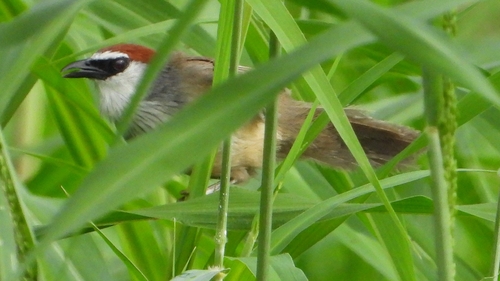 Chestnut-capped Babbler
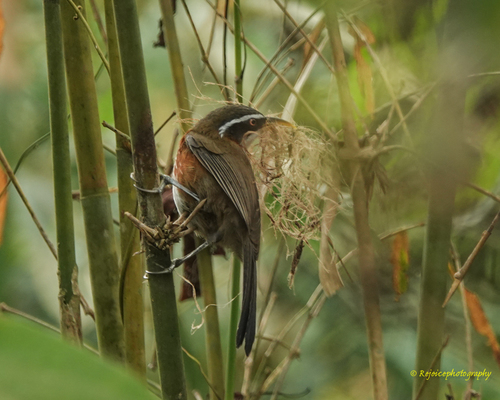 White-browed Scimitar-Babbler
In breve
Il modo più affidabile per separare il Chestnut-capped Babbler dal White-browed Scimitar-Babbler è attraverso le dimensioni e il motivo della testa. Il Chestnut-capped Babbler è molto più piccolo e snello, con una corona castana distintiva, una fronte bianca e una maschera oculare nera, mentre il White-browed Scimitar-Babbler è più robusto e ha una forte sopracciglia bianca ma manca della corona castana. La forma del becco è anche molto diversa: il Chestnut-capped Babbler ha un becco nero dritto e spesso, mentre il White-browed Scimitar-Babbler presenta un becco lungo e fortemente ricurvo. Entrambe le specie possono essere trovate in habitat simili, ma la loro struttura e i segni sulla testa sono gli indizi più rapidi sul campo. Non sono descritti segni specifici per età sulle ali o sul volo per nessuna delle due specie, quindi concentrati sulla forma della testa e del becco in tutte le livree.
Consigli di identificazione
- Size: Il Chestnut-capped Babbler è molto più piccolo e leggero (19 g) rispetto al White-browed Scimitar-Babbler (43 g). Usa questa differenza quando entrambi sono presenti o quando hai una percezione della scala.
- Bill shape: Il Chestnut-capped Babbler ha un becco nero dritto e spesso, mentre il White-browed Scimitar-Babbler ha un becco molto più lungo e fortemente ricurvo. La forma a scimitarra è ovvia da vicino o di profilo.
- Crown color: Solo il Chestnut-capped Babbler ha una ricca corona castana. La corona del White-browed Scimitar-Babbler non è castana e si fonde di più con il resto della testa.
- Forehead and eyebrow: Il Chestnut-capped Babbler mostra una fronte bianca e una linea di sopracciglia bianca ben definita. Il White-browed Scimitar-Babbler ha una forte sopracciglia bianca ma manca della fronte bianca e della corona castana.
- Eye mask: Il Chestnut-capped Babbler presenta una maschera nera netta attraverso l'occhio, in contrasto con il bianco e il castano sopra. Il White-browed Scimitar-Babbler ha una linea scura attraverso l'occhio ma non una maschera nera completa.
- Iris color (sex differences): Nel Chestnut-capped Babbler, i maschi hanno un'iride rosso rubino e le femmine un'iride nera. Questo è sottile e visibile solo da molto vicino, ma può aiutare in mano o nelle foto.
- Tail shape: Il Chestnut-capped Babbler ha una coda piuttosto lunga e a forma di cuneo, che può sembrare più appuntita e snella rispetto alla coda più robusta del White-browed Scimitar-Babbler.
- Plumage pattern: Entrambe le specie sono di un marrone uniforme sul corpo senza barre, quindi non fare affidamento sul motivo del corpo per la separazione.
- Flight and wing pattern: Non sono descritti segni distintivi specifici per età o segni di volo per nessuna delle due specie, quindi non usare il motivo delle ali per la separazione.
- Habitat: Entrambe le specie possono verificarsi in tipi di foresta simili, quindi l'habitat da solo non è un separatore affidabile.
- Behavior: Non sono notate differenze comportamentali diagnostiche in queste fonti.
- Pitfalls: Gli uccelli immaturi non sono descritti come differenti nel motivo delle ali o del corpo, quindi il principale rischio è trascurare il motivo della testa o la forma del becco in viste scadenti.
- Sex and season: Entrambe le specie sono simili nella livrea tra i sessi e le stagioni, tranne per il colore dell'iride nel Chestnut-capped Babbler.
- Quick check: Se vedi un babbler piccolo e snello con una corona castana e una maschera nera, è il Chestnut-capped Babbler. Se l'uccello è più grande, con un becco lungo e curvo e una forte sopracciglia bianca ma senza corona castana, è il White-browed Scimitar-Babbler.
- When marks fail: In scarsa luce o viste parziali, concentrati sulle dimensioni complessive e sulla forma del becco come le differenze più costantemente affidabili.
Taglia
Il Chestnut-capped Babbler pesa meno della metà del White-browed Scimitar-Babbler (19 g contro 43 g) e appare molto più delicato e snello nel complesso. Sul campo, il Chestnut-capped Babbler è un babbler di dimensioni medie con una lunga coda a forma di cuneo, mentre il White-browed Scimitar-Babbler è notevolmente più grande e pesante. Questa differenza di dimensioni è spesso evidente anche a distanza, specialmente quando entrambe le specie sono viste nello stesso habitat.
Piumaggio
Non sono descritte differenze specifiche per età nel motivo delle ali o del volo per nessuna delle due specie. Per tutte le età e i sessi, il Chestnut-capped Babbler mostra una corona castana sorprendente, una fronte bianca e una linea di sopracciglia bianche, nettamente contrapposte da una maschera oculare nera. Il suo corpo è di un marrone uniforme, senza barre. Al contrario, il White-browed Scimitar-Babbler manca della corona castana e presenta invece una prominente sopracciglia bianca sopra una linea scura attraverso l'occhio, ma la sua corona non è castana. Il resto della sua livrea non è descritto in dettaglio qui, ma il motivo della testa è la chiave visiva principale. Entrambe le specie sono simili in quanto mancano di forti barre o motivi sul corpo, ma i segni sulla testa sono diagnostici.
Comportamento
Il comportamento non è descritto in dettaglio per nessuna delle due specie in queste note. Entrambi sono babblers tipici, spesso visti muoversi attraverso una vegetazione densa. Non sono notate qui differenze comportamentali distintive.
Habitat
Entrambe le specie si trovano in foreste umide subtropicali o tropicali di pianura e montane in regioni sovrapposte nel Sud e nel Sud-est asiatico. L'habitat da solo non è diagnostico tra questi due, poiché entrambi possono essere trovati in ambienti forestali simili.
Chestnut-capped Babbler · White-browed Scimitar-Babbler · I miei uccelli difficili