

Motmot

Black-headed Duck vs Lake Duck

Heteronetta atricapilla versus Oxyura vittata

Play a quiz with Black-headed Duck and Lake Duck
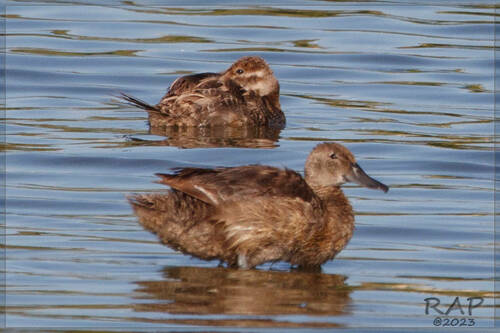
Black-headed Duck (Heteronetta atricapilla) Black-headed Duck
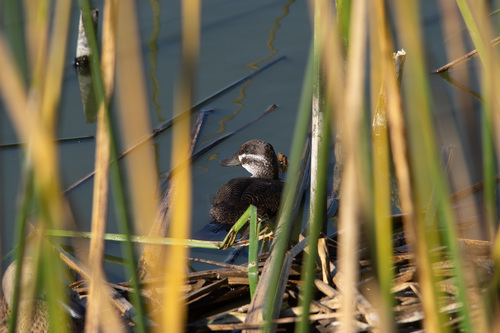
Lake Duck (Oxyura vittata) Lake Duck

Media

Loading…

In short

The most reliable field mark between Black-headed Duck and Lake Duck is the presence or absence of a stiff, spiky tail and the shape and color of the bill. Black-headed Duck lacks the stiff tail and swollen, blue bill typical of Lake Duck, and instead shows a more typical diving duck shape with a long body and short wings. Adult male Black-headed Ducks have a glossy black head, while Lake Duck males show a flatter head and, in breeding season, a swollen blue bill. Immature Black-headed Ducks can be separated by their pale eye stripe and more rufous upperparts, features not shown by Lake Duck. Both species overlap widely in range and habitat, so careful attention to structure and plumage is crucial.

Identification tips

  1. Tail structure: Lake Duck always shows a stiff, spiky tail, often held upright—this is a classic stiff-tailed duck feature. Black-headed Duck lacks this, with a more typical, rounded duck tail. This is the quickest field check at any age or season.
  2. Bill shape and color: Lake Duck males (especially in breeding season) have a swollen, blue bill. Black-headed Duck has a black maxilla and orange mandible, with a rosy patch at the base of the maxilla in breeding males. The bill is never swollen or blue in Black-headed Duck.
  3. Head shape: Lake Duck has a noticeably flatter head profile, while Black-headed Duck has a more rounded head and longer body, giving a different jizz both on water and in flight.
  4. Adult male head color: Black-headed Duck males have a glossy black head and upper neck, with a white chin. Lake Duck males do not show this combination.
  5. Female/immature head pattern: Female and immature Black-headed Ducks have a dark brown (not black) head and a whitish throat; immatures add a pale eye stripe and more rufous on the upperparts. Lake Duck females do not show a pale eye stripe or this rufous/yellowish tinge.
  6. Upperwing pattern: Black-headed Duck (all ages) shows two white bars on the folded wing, which may be visible at rest. Lake Duck's wing pattern is not described in the notes, but it does not mention prominent white bars.
  7. Body shape: Black-headed Duck is long-bodied with short wings, while Lake Duck is more compact and heavy-bodied—especially obvious in direct comparison.
  8. Brood parasitism: If you observe a duckling leaving a coot or pochard nest and immediately becoming independent, it is likely a Black-headed Duck; Lake Duck does not show this behavior.
  9. Display behavior: Lake Duck males may be seen making popping or mechanical noises during display; Black-headed Duck is not noted for such displays.
  10. Habitat overlap: Both species can occur together in the same wetlands, so do not rely on location alone.
  11. Size: Lake Duck is generally heavier and can appear bulkier, but there is overlap in length; use structure and plumage first.
  12. Seasonal marks: The rosy patch at the base of the Black-headed Duck's bill is most visible in breeding males; outside breeding, this may be less obvious.
  13. Tail in flight: In flight, Lake Duck's stiff tail may appear spiky and prominent, while Black-headed Duck's tail is more conventional and less noticeable.
  14. Juvenile separation: Immature Black-headed Ducks have a pale eye stripe and more rufous/yellowish tones below, which are not shown by Lake Duck juveniles.
  15. Bill color in females: Female Black-headed Duck shows a black and orange bill, never blue or swollen as in Lake Duck.

Size

Lake Duck is generally heavier, with an average adult mass around 640 g [wikidata], while Black-headed Duck males average about 510 g and females 565 g [wikipedia]. Both are similar in length (Black-headed Duck about 35 cm, Lake Duck 36–46 cm), but Lake Duck is bulkier overall. In the field, size difference may be subtle, but Lake Duck often appears more compact and heavy-bodied, especially when compared to the more elongated Black-headed Duck.

Plumage

No distinctive juvenile or first-winter upperwing pattern is described for either species, so separation relies on overall plumage and structure. Adult male Black-headed Duck has a glossy black head and upper neck with a white chin, deep brownish-black upperparts with cinnamon or rufous speckling, and two white bars on the folded wing. The underparts are whitish with brown mottling. Females are similar but with a dark brown (not glossy black) head and a whitish throat. Immatures resemble females but show more rufous on the upperparts, yellower underparts, and a pale eye stripe. Lake Duck males (in breeding) have a swollen blue bill and a flatter head, but the plumage details for Lake Duck are not described in the provided notes. The key is that Lake Duck is a classic stiff-tailed duck, with a spiky tail and a swollen bill, while Black-headed Duck lacks both these features and has a more 'normal' diving duck look.

Behaviour

Black-headed Duck is unique among ducks as an obligate brood parasite, never building its own nest and laying eggs in the nests of other waterbirds. Lake Duck does not show this behavior and breeds conventionally. In terms of display, Lake Duck males produce popping and mechanical rustling noises, but no such display is noted for Black-headed Duck. Both species are diving ducks, but Lake Duck is noted for its stiff tail, which is often held erect, and for its more compact, heavy-bodied jizz.

Habitat

Both species are found in similar wetland habitats across southern South America, including Argentina, Brazil, Chile, Paraguay, and Uruguay. Both prefer freshwater lakes and marshes with abundant vegetation. Habitat is not reliably diagnostic between the two, as their ranges and preferences overlap extensively.

Voice

Lake Duck males produce popping and mechanical rustling display noises. No vocalization or display sounds are described for Black-headed Duck in the provided notes, so voice is not a reliable separator in the field based on current information.

Submit a better description

Use the same sections as the comparison. Your text is published immediately.

The most reliable field mark between Black-headed Duck and Lake Duck is the presence or absence of a stiff, spiky tail and the shape and color of the bill. Black-headed Duck lacks the stiff tail and swollen, blue bill typical of Lake Duck, and instead shows a more typical diving duck shape with a long body and short wings. Adult male Black-headed Ducks have a glossy black head, while Lake Duck males show a flatter head and, in breeding season, a swollen blue bill. Immature Black-headed Ducks can be separated by their pale eye stripe and more rufous upperparts, features not shown by Lake Duck. Both species overlap widely in range and habitat, so careful attention to structure and plumage is crucial.

  1. Tail structure: Lake Duck always shows a stiff, spiky tail, often held upright—this is a classic stiff-tailed duck feature. Black-headed Duck lacks this, with a more typical, rounded duck tail. This is the quickest field check at any age or season.
  2. Bill shape and color: Lake Duck males (especially in breeding season) have a swollen, blue bill. Black-headed Duck has a black maxilla and orange mandible, with a rosy patch at the base of the maxilla in breeding males. The bill is never swollen or blue in Black-headed Duck.
  3. Head shape: Lake Duck has a noticeably flatter head profile, while Black-headed Duck has a more rounded head and longer body, giving a different jizz both on water and in flight.
  4. Adult male head color: Black-headed Duck males have a glossy black head and upper neck, with a white chin. Lake Duck males do not show this combination.
  5. Female/immature head pattern: Female and immature Black-headed Ducks have a dark brown (not black) head and a whitish throat; immatures add a pale eye stripe and more rufous on the upperparts. Lake Duck females do not show a pale eye stripe or this rufous/yellowish tinge.
  6. Upperwing pattern: Black-headed Duck (all ages) shows two white bars on the folded wing, which may be visible at rest. Lake Duck's wing pattern is not described in the notes, but it does not mention prominent white bars.
  7. Body shape: Black-headed Duck is long-bodied with short wings, while Lake Duck is more compact and heavy-bodied—especially obvious in direct comparison.
  8. Brood parasitism: If you observe a duckling leaving a coot or pochard nest and immediately becoming independent, it is likely a Black-headed Duck; Lake Duck does not show this behavior.
  9. Display behavior: Lake Duck males may be seen making popping or mechanical noises during display; Black-headed Duck is not noted for such displays.
  10. Habitat overlap: Both species can occur together in the same wetlands, so do not rely on location alone.
  11. Size: Lake Duck is generally heavier and can appear bulkier, but there is overlap in length; use structure and plumage first.
  12. Seasonal marks: The rosy patch at the base of the Black-headed Duck's bill is most visible in breeding males; outside breeding, this may be less obvious.
  13. Tail in flight: In flight, Lake Duck's stiff tail may appear spiky and prominent, while Black-headed Duck's tail is more conventional and less noticeable.
  14. Juvenile separation: Immature Black-headed Ducks have a pale eye stripe and more rufous/yellowish tones below, which are not shown by Lake Duck juveniles.
  15. Bill color in females: Female Black-headed Duck shows a black and orange bill, never blue or swollen as in Lake Duck.

Lake Duck is generally heavier, with an average adult mass around 640 g [wikidata], while Black-headed Duck males average about 510 g and females 565 g [wikipedia]. Both are similar in length (Black-headed Duck about 35 cm, Lake Duck 36–46 cm), but Lake Duck is bulkier overall. In the field, size difference may be subtle, but Lake Duck often appears more compact and heavy-bodied, especially when compared to the more elongated Black-headed Duck.

No distinctive juvenile or first-winter upperwing pattern is described for either species, so separation relies on overall plumage and structure. Adult male Black-headed Duck has a glossy black head and upper neck with a white chin, deep brownish-black upperparts with cinnamon or rufous speckling, and two white bars on the folded wing. The underparts are whitish with brown mottling. Females are similar but with a dark brown (not glossy black) head and a whitish throat. Immatures resemble females but show more rufous on the upperparts, yellower underparts, and a pale eye stripe. Lake Duck males (in breeding) have a swollen blue bill and a flatter head, but the plumage details for Lake Duck are not described in the provided notes. The key is that Lake Duck is a classic stiff-tailed duck, with a spiky tail and a swollen bill, while Black-headed Duck lacks both these features and has a more 'normal' diving duck look.

Black-headed Duck is unique among ducks as an obligate brood parasite, never building its own nest and laying eggs in the nests of other waterbirds. Lake Duck does not show this behavior and breeds conventionally. In terms of display, Lake Duck males produce popping and mechanical rustling noises, but no such display is noted for Black-headed Duck. Both species are diving ducks, but Lake Duck is noted for its stiff tail, which is often held erect, and for its more compact, heavy-bodied jizz.

Both species are found in similar wetland habitats across southern South America, including Argentina, Brazil, Chile, Paraguay, and Uruguay. Both prefer freshwater lakes and marshes with abundant vegetation. Habitat is not reliably diagnostic between the two, as their ranges and preferences overlap extensively.

Lake Duck males produce popping and mechanical rustling display noises. No vocalization or display sounds are described for Black-headed Duck in the provided notes, so voice is not a reliable separator in the field based on current information.

Discard your changes?

You have unsaved edits. If you leave now, those changes will be lost.

Black-headed Duck · Lake Duck · My Tricky Birds